
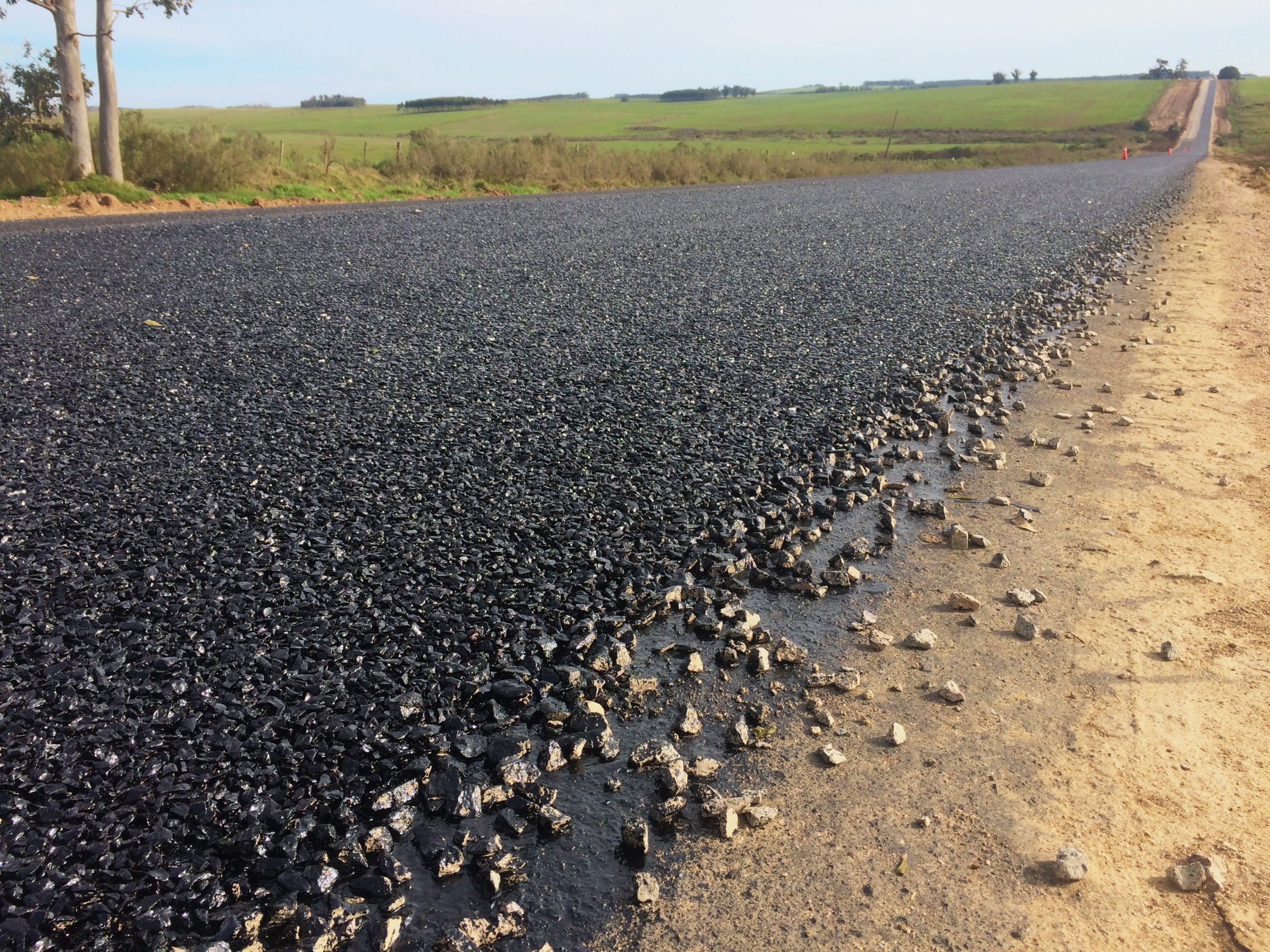
WITH THE ENTRY OF SPRING, SURFACE TREATMENTS ARE BACK
The closure ends on September 1 and surface treatments begin to be seen again in the works.
The use of emulsions, which in winter involves special care, becomes common from September with various work fronts that will use the technology both on the road and on shoulders. In the following note we reinforce the main concepts to avoid premature defects in surface treatments with emulsions, especially when the first summer heats come.
An adequate application of the surface treatment implies a combination of factors to ensure success, as indicated in the Figure below the book "High Performance Surface Treatments"

From this extensive list, we can highlight some points and make recommendations for a good execution in the months to come.
- Weather condition in the application: The days are longer and the temperatures are starting to rise but we may still find ourselves in the months to come with wet and cold weeks. Special attention must be paid to days with maximum temperatures of 10°C and days with high relative humidity and little wind even in mild temperatures. The water of the emulsion must evaporate to achieve the total cohesion of the binder and if not, premature detachment of aggregates will occur, with the risk of having to re-execute and over-dosage. Another problem with cold is the formation of skin in the applied emulsion that retains the emulsion between the treatment and the base. This effect can seriously affect the treatment in the first days of heat, since the vapor pressure of the retained water pierces the membrane and begins to come to the surface, causing punctual exudations that can affect the rest of the treatment. To avoid these problems, see in the Book the "7.4.10 Execution in winter" that are used for those complicated days as well.
- Aggregate penetration potential: The driving of the stone in a granular base can seriously affect the necessary voids of the system leading to exudation mainly in the tracks where the tires make an extra compaction effort. It is first necessary to evaluate this effect by means of the Ball Penetration Test (Annex D of the Book) and then take measures such as reprofiling and compacting or stabilizing with cement.
- Component dosage: An excess of residual binder in the system is not perceived in the winter but as temperatures increase and its viscosity decreases, the voids are reduced both by expansion of the asphalt and by the accommodation of the aggregate that the binder allows. Here the variables to control are several, such as the theoretical design itself regarding what is found in the field, the calibration and periodic maintenance of the used equipment, the use of binders suitable for traffic and climate. For each of these variables you can find a detail in the Book of good practices.
- Execution method: For double irrigations, it is necessary to evaluate if it is possible to do both irrigations on the same day and thus ensure that all the aggregate used is locked prior to the release of traffic. When irrigation A is carried out and much later B, it happens that the initial simple treatment settles down and becomes clogged, reducing its macrotexture as well as losing some aggregate and therefore the potential for exudation increases. When B is executed, the dosage should be adjusted to the new existing macrotexture, which does not happen, ending in exudations. The use of TMT technology allows double irrigations to be carried out on the same day, ensuring the success of the treatment. We have technology transfer licenses that include
know-how and technical assistance through a training course. For more information enter Licenses. https://bitafal.com.uy/licencias/
- Used materials: Aggregates of the same size generate interlocked surfaces that better distribute traffic efforts, are more resistant to detachment and have less potential for exudate, for this reason we must adjust the sizes to consecutive sieves. Using 5-14 mm aggregates for example implies that physically first the 5 mm falls and then the 14 mm, leaving the latter not adhered to the surface and changing the aggregate / asphalt balance.
On the other hand, the emulsions must have an adequate residual binder, with sufficient viscoelasticity to prevent bleeding in the summer. In addition, it must be of the appropriate degree of modification for the traffic and climate of each particular work. line emulsions On the other hand, the emulsions must have an adequate residual binder, with sufficient viscoelasticity to prevent bleeding in the summer. In addition, it must be of the appropriate degree of modification for the traffic and climate of each particular work. line emulsions On the other hand, the emulsions must have an adequate residual binder, with sufficient viscoelasticity to prevent bleeding in the summer. In addition, it must be of the appropriate degree of modification for the traffic and climate of each particular work. line emulsions
