What are the treatments Multiple Trabados®?

What are the treatments Multiple Trabados®?

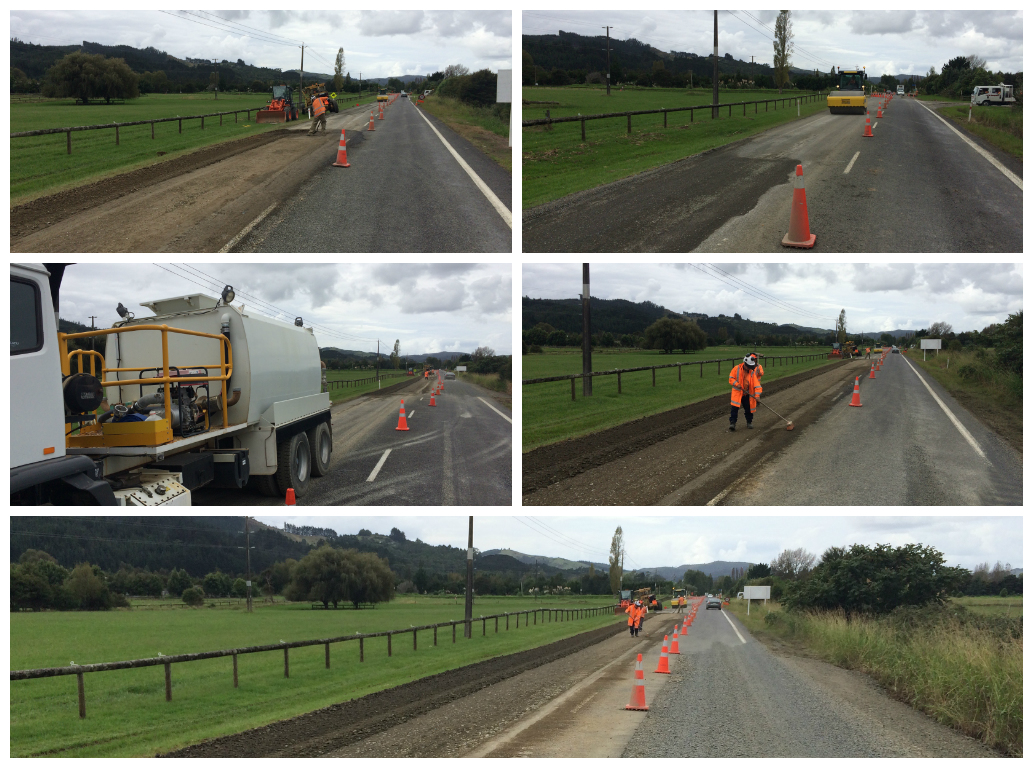
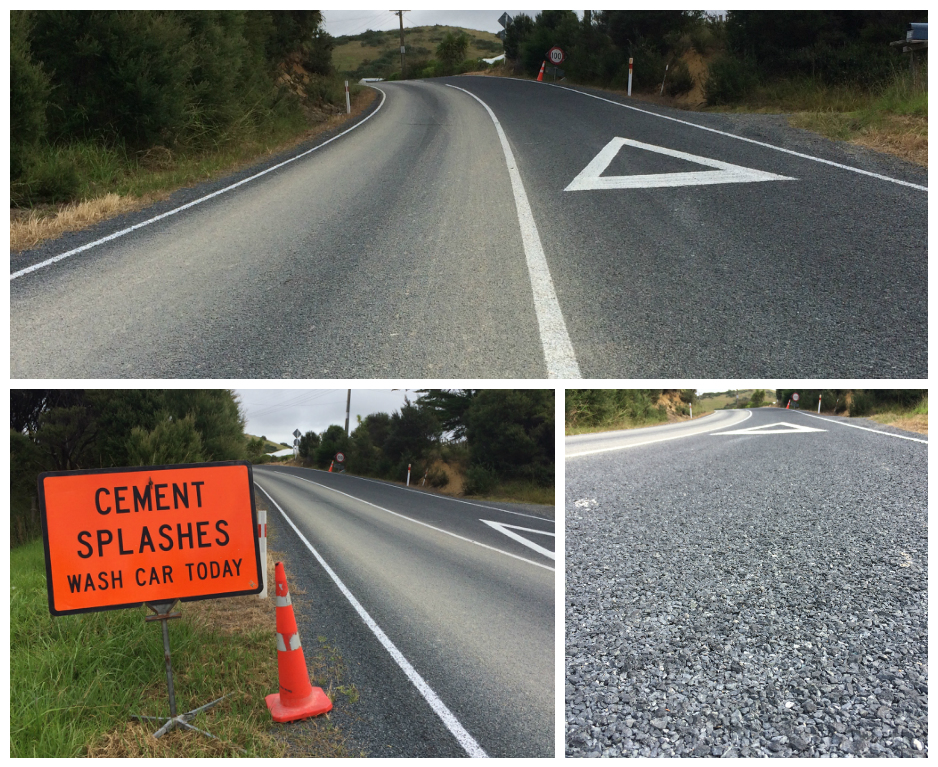
The TMT® are an innovative way to run single and double treatments, which improves the mechanical interlocking of aggregates and minimizes risks of landslides.

Its development is linked to the use of emulsions it allows full coverage of aggregates and which differs from the conventional methods as applicable.

They can be run at any time of the year and on any surface, allowing traffic early release with conventional methods than aesthetics. Success depends on the type and quality of materials in conjunction with the proper technique. It is ideal for initial treatment of stabilized bases technique.

The TMT® They are the product of several years of observation and continuous improvement of construction procedures with laboratory research, new product development, development plan and implementation on site.

HOW DOES IT WORK?

  • It involves placing the right amount of binder and aggregate at the appropriate time and place, saving up to 20% of materials.
  • optimum mechanical and chemical resistance is achieved by the way it is run, accelerating the curing process and accommodating the stone to ensure detachment almost zero.
  • The method includes a number of key intermediate steps substantially increase the adhesion between the aggregates.
  • aeration of the emulsion is favored, allowing further exposure to external agents which accelerate curing.
  • Find your best performance with the use of modified emulsions.

SOLVE WHAT?

  • Gravillados building permits at any time of year.
  • Accelerates the speed of work, allowing progress without risks.
  • Minimizes landslides and prevents excess aggregate causing damage to the windshield and risks to users.
  • It requires fewer passes fracture mitigating Compactor aggregates and prevents its removal from the use of this equipment.
  • It does not require subsequent scan, nor tire compactors to settle the stone.
  • It allows controlled traffic before the system has completely healed rating.
  • The final quality of the surface obtained is smooth and silent, with better contrast for roadway marking.
  • All jobs are completed in a single workday, allowing high yields.
What are the treatments Multiple Trabados®?

What are the treatments Multiple Trabados®?

The TMT® are an innovative way to run single and double treatments, which improves the mechanical interlocking of aggregates and minimizes risks of landslides.

Its development is linked to the use of emulsions it allows full coverage of aggregates and which differs from the conventional methods as applicable.

They can be run at any time of the year and on any surface, allowing traffic early release with conventional methods than aesthetics. Success depends on the type and quality of materials in conjunction with the proper technique. It is ideal for initial treatment of stabilized bases technique.

The TMT® They are the product of several years of observation and continuous improvement of construction procedures with laboratory research, new product development, development plan and implementation on site.

HOW DOES IT WORK?

  • It involves placing the right amount of binder and aggregate at the appropriate time and place, saving up to 20% of materials.
  • optimum mechanical and chemical resistance is achieved by the way it is run, accelerating the curing process and accommodating the stone to ensure detachment almost zero.
  • The method includes a number of key intermediate steps substantially increase the adhesion between the aggregates.
  • aeration of the emulsion is favored, allowing further exposure to external agents which accelerate curing.
  • Find your best performance with the use of modified emulsions.

SOLVE WHAT?

  • Gravillados building permits at any time of year.
  • Accelerates the speed of work, allowing progress without risks.
  • Minimizes landslides and prevents excess aggregate causing damage to the windshield and risks to users.
  • It requires fewer passes fracture mitigating Compactor aggregates and prevents its removal from the use of this equipment.
  • It does not require subsequent scan, nor tire compactors to settle the stone.
  • It allows controlled traffic before the system has completely healed rating.
  • The final quality of the surface obtained is smooth and silent, with better contrast for roadway marking.
  • All jobs are completed in a single workday, allowing high yields.
Ways of the world: Impressions of New Zealand trip

Ways of the world: Impressions of New Zealand trip

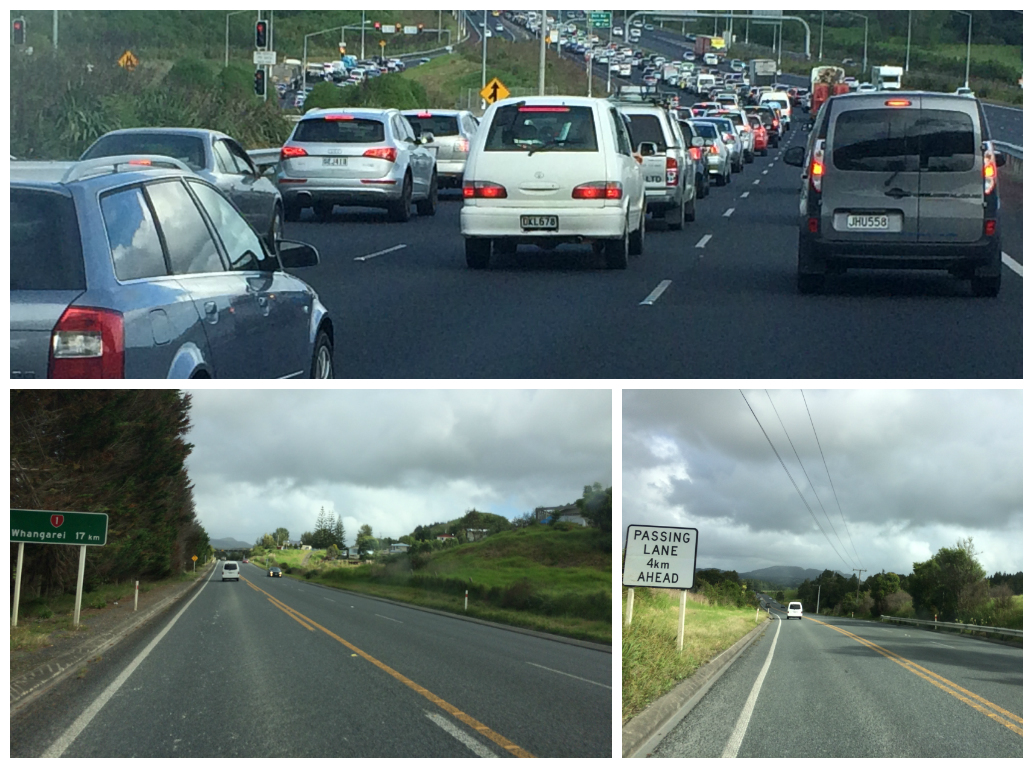
We had the pleasant opportunity to visit for 20 days, covering 2735 km of roads NEW ZEALAND and returned extremely surprised by the quality of roads in the country.

New Zealand has been successful in how to combine technologies way to get a paved road network of high quality. Let's start with comparative data with our country:
-New Zealand has 270,000 square km, 50% more than Uruguay.
-have 95,000 km of highways and roads (0.35 km / km2) of which 63,000 km are paved, 66% of the total.
-Uruguay 78,000 km road (0.44 km / km2) of which have 8000 pavings, only 10% of the total.
In other words, we have a higher density of roads per km2, but far we have long paved network as theirs.
It is that in New Zealand stabilization in situ with cement, lime or asphalt, is present decades, using as surface treatments surface layer and leaving only places high demands on the use of asphalt.

As we all know, the quality of the bases is essential, but if surface treatments are used as rolling. Conversing with them consulted engineers work, how they do it, and his answer was blunt: "It puts on a carpet and hard floor will last a lifetime, if you put on the clay have to throw very soon".
Transportation Agency's own New Zealand indicated on your website: "The surface treatment is the most common type of rolling road in New Zealand. Economic, flexible and resilient, it provides an adaptable, safe and cost efficient surface for road users. We have a regular all surfaces to ensure they will perform at maximum follow.High traffic roads resealed usually need about every seven years, while roads that carry less traffic can last 15 to 20 years before resurfacing is required. " (Source:NZ Transport Agency)

We share then as discussed with technicians work procedures used for construction of a typical road in New Zealand.
CONSTRUCTIVE PROCEDURE
The kickoff is performing test base materials, the effects deeply know what material is counted. The development laboratory formulates a stabilization project based on cement, lime or asphalt and if you have enough good granular material in the area is considered the particle size stabilization with a maximum size of 65mm and the addition of 2% of cement.

The bases are treated perfectly with suitable materials, with the necessary granulometry compacted and cleaned before waterproofing.
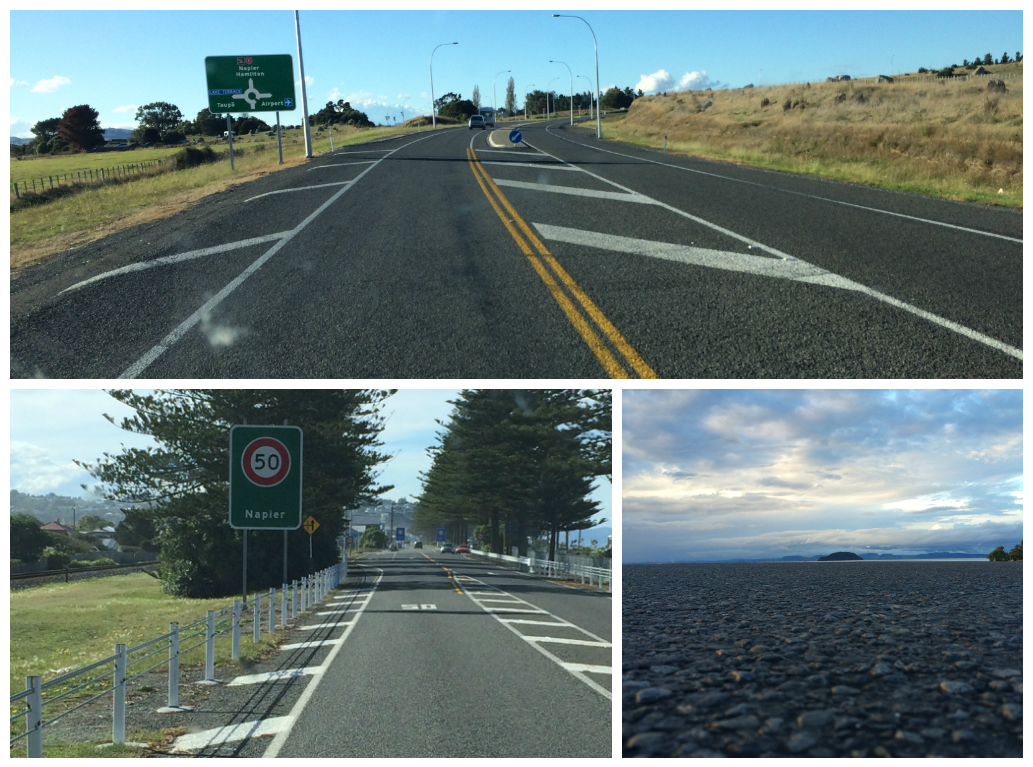
By having a very good base are limited to be as tread layer surface treatment with dry monogranular 6-12 mm and with the passage of time, when the treatment loses or shows a signal texture permeability, apply a second treatment with fraction 2-6 mm improving rolling and waterproofing structure again.
Then repeat the cycle with a large fine gravel 6/12 on and so on, always taking a road in perfect condition applying preventive maintenance at the optimum time.

Asphaltic used folders in the inner city, joints roads, highways exit of cities and in very short stretches of mountain roads when the slopes and angles are too demanding for a surface treatment.
The guide Transportation Agency New Zealand on the selection of the suitable tread layer is in the following link: Selection Guide surface layer

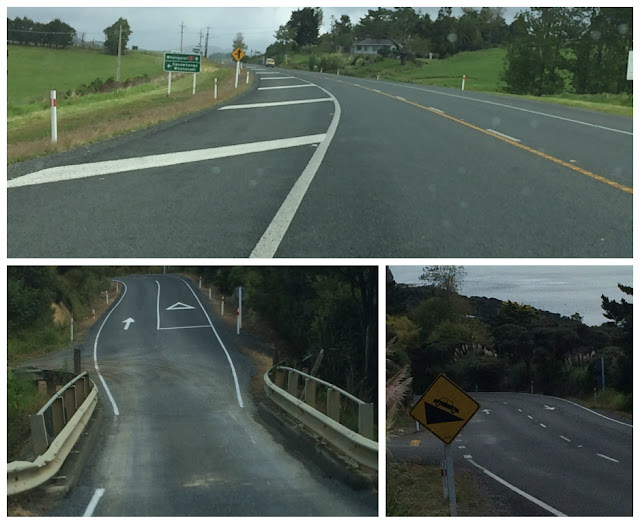
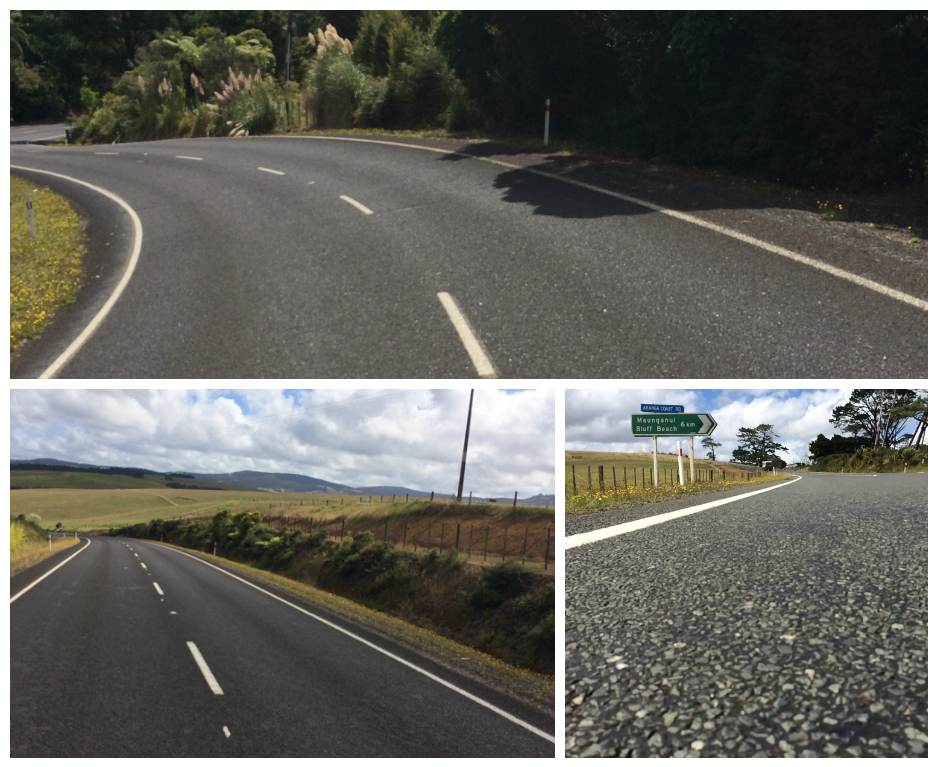
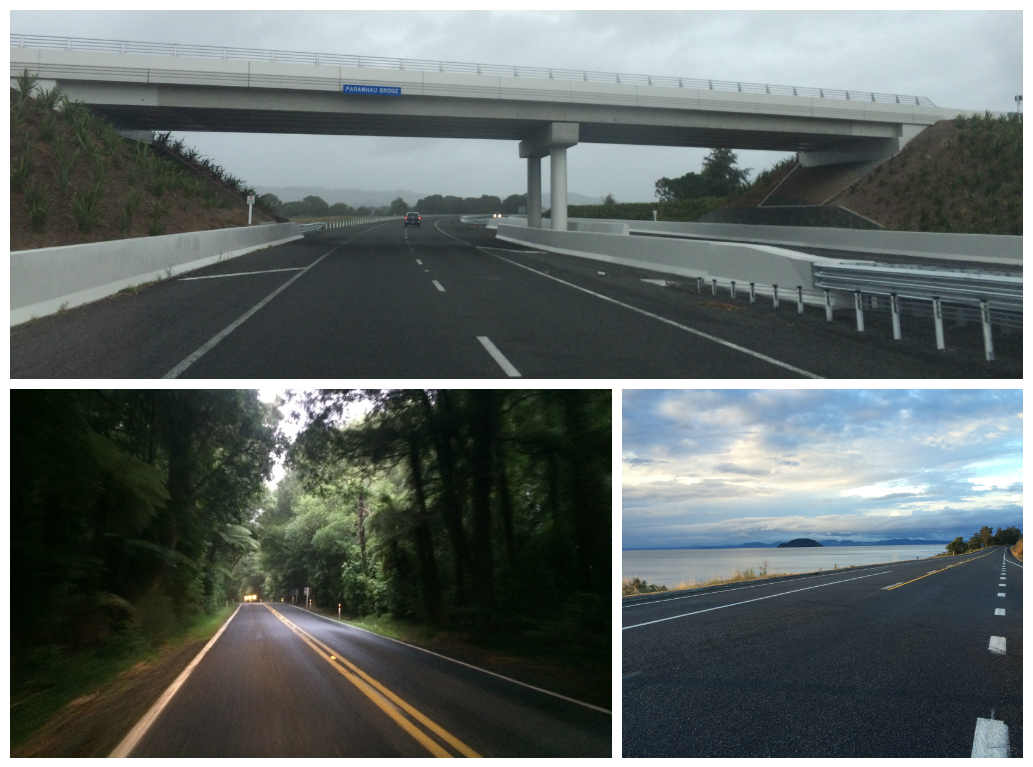
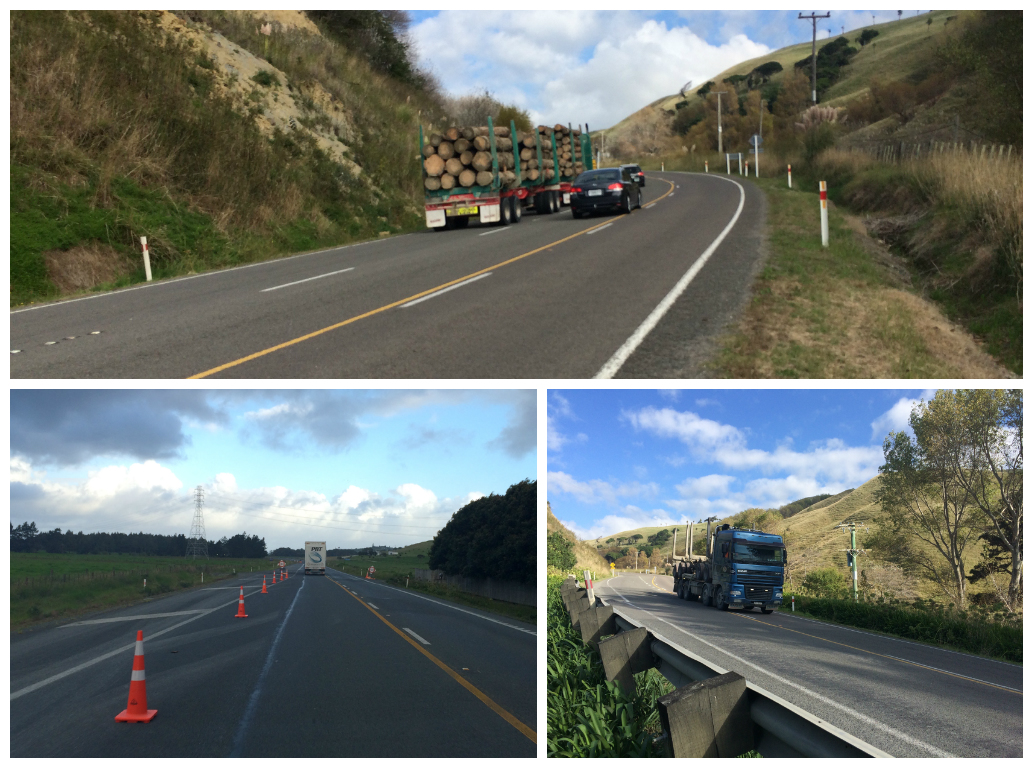
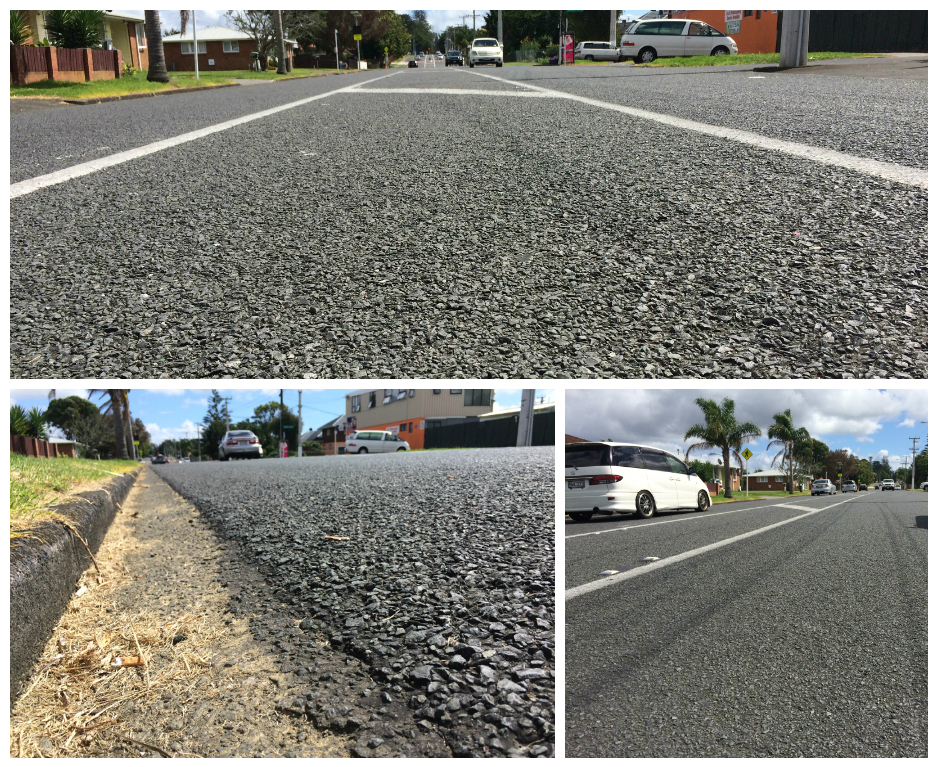
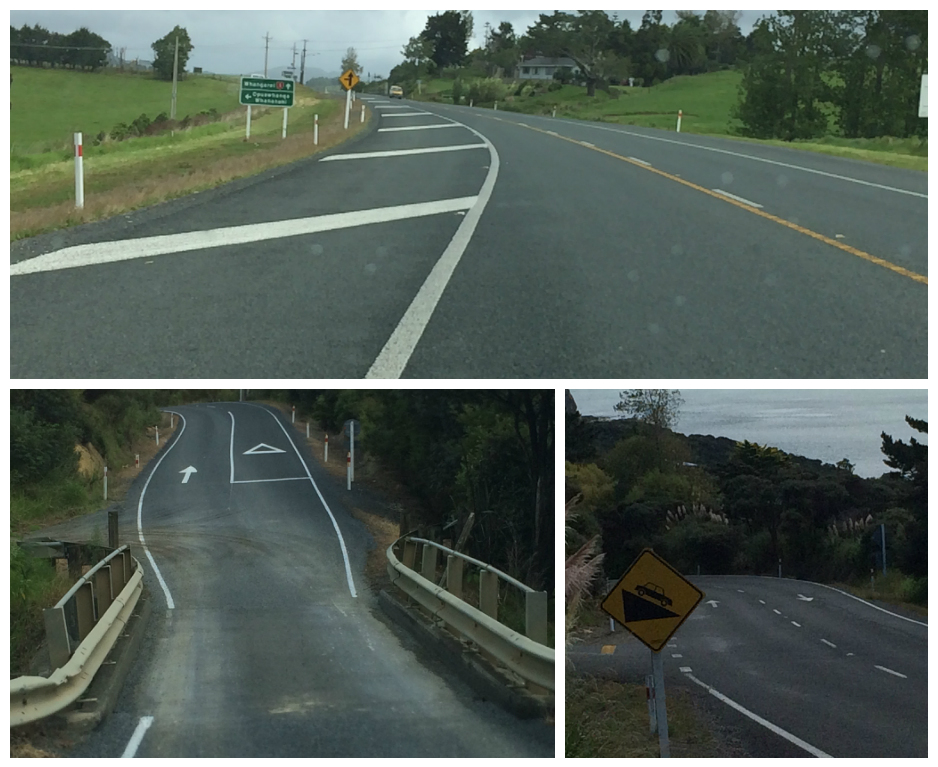
The use of surface treatments monogranular or Chiping, reaches places such as a neighborhood of the city of Auckland, and most important port in the country and the North Island as seen in the photos below city.

Our trip was not only on this visit in the month of May Bitafal group You will be participating in a two-day course on technologies Chiping in the city of Christchurch in the South Island. In addition we already have a publication of more than 500 pages of the Manual on Chipsealing in New Zealand. Interesting document available on: Chipsealing in New Zealand
To keep growing and researching, we have a long way to go.
We leave more photos in the following link

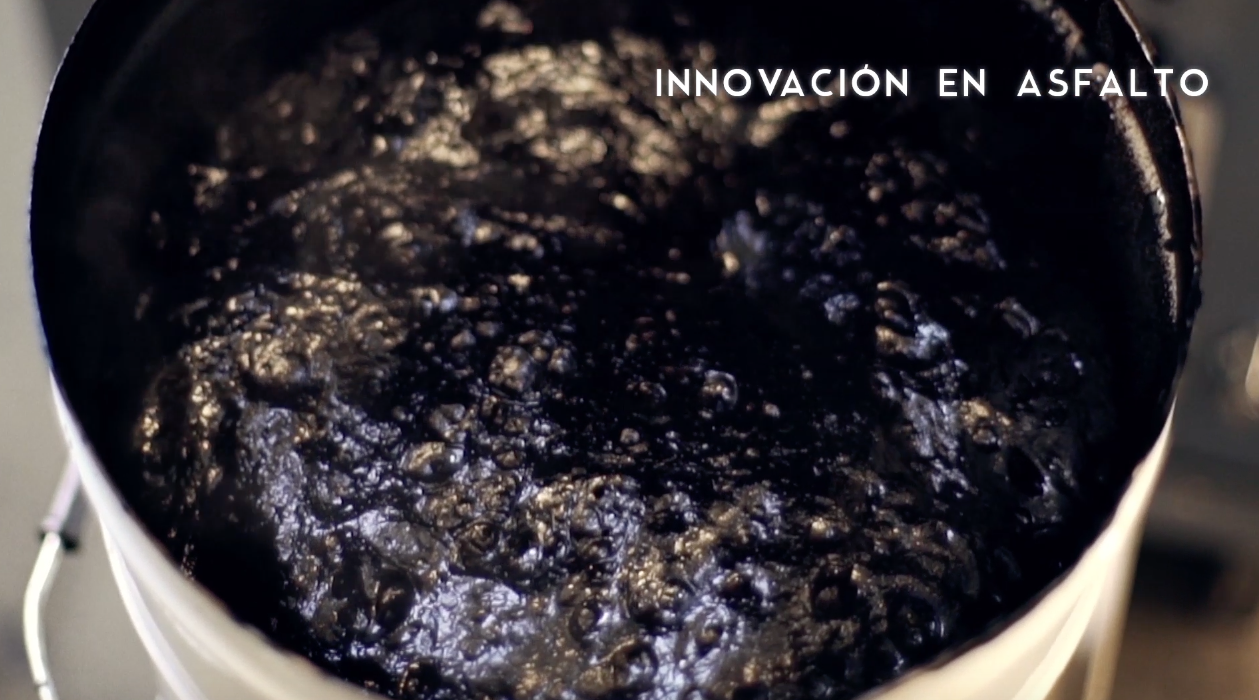
Modified Asphalt foam (BITAFLEX AME) for recycling cold spot | New product

Modified Asphalt foam (BITAFLEX AME) for recycling cold spot | New product

SPECIAL BITAFAL ASFALTOS It has recently added to its product line Asphalt Modified Foam (BITAFLEX AME) Seeking to improve and standardize the quality of asphalt used in cold recycling technology in situ and also to use it in cold weather increasing work performance.

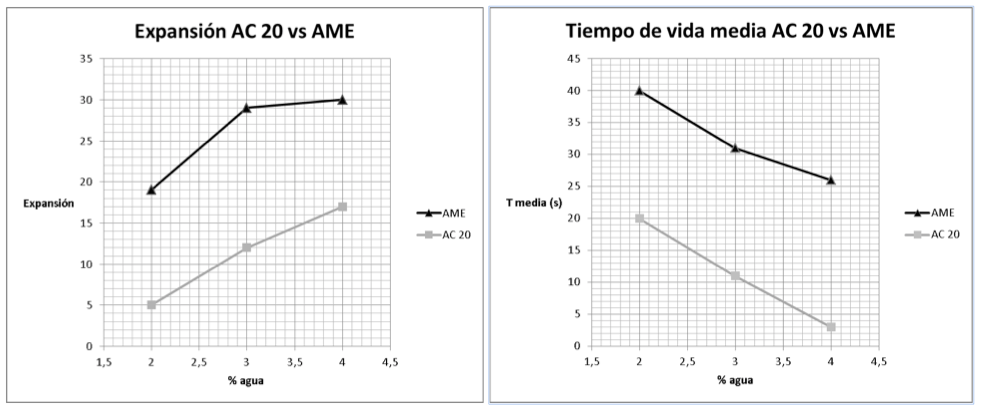
These properties are verified by foaming curves, which consist of measuring the maximum occupied by the asphaltic foam volume and time required for that volume is reduced to half. These curves characteristic parameters expansion and half-life are obtained.

In the graphs below a comparative behavior expansion and half-life shown 160C for national versus AC 20 bit FLEX AME.

AME BITAFLEX components provide a better quality foam specific surface area and duration, with a half life time expansion and more than double than conventional asphalt refinery. They ensure a decrease in surface tension with the consequent reduction in viscosity at the time of foaming.

These factors allow provide the following advantages:
* A better dispersion of the foam on aggregates favoring adhesion of the binder with the stone.
* Lower foaming temperature, saving on heating and facilitating logistics work.
* The possibility of recycling in cold weather.
* Improved mechanical properties of the processed mixtures.

We invite you to learn more about this product on our website.

We use own and third party cookies to help us optimize your visit to our website and also to improve service delivery and thus adapt to their most relevant and useful to better their experience needs. When you click OK to continue with navigation and thus confirm that you have read the information and accept the activation of cookies.

You can allow or reject use at any time can change the Configuration Options Privacy - Cookies Policy -

Privacy settings

When you visit a website, you can store or retrieve information in your browser, mainly in the form of cookies. Check your personal services cookies here.


We track anonymous user information to improve our website.
.
  • _ga
  • _gid
  • _gat

Decline all Services
Accept all Services