THE ROLE OF ASPHALT IN ROAD SAFETY

THE ROLE OF ASPHALT IN ROAD SAFETY

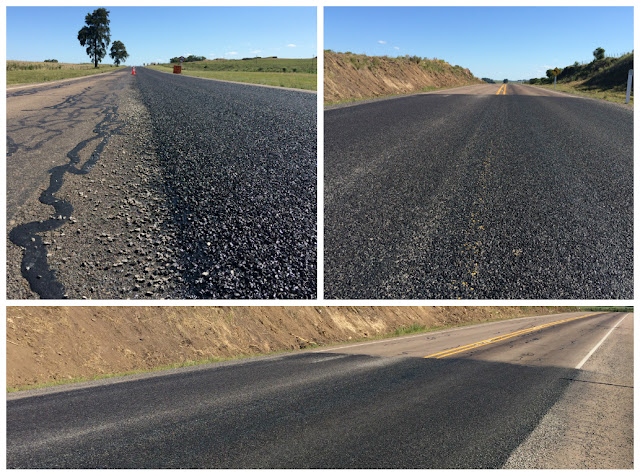
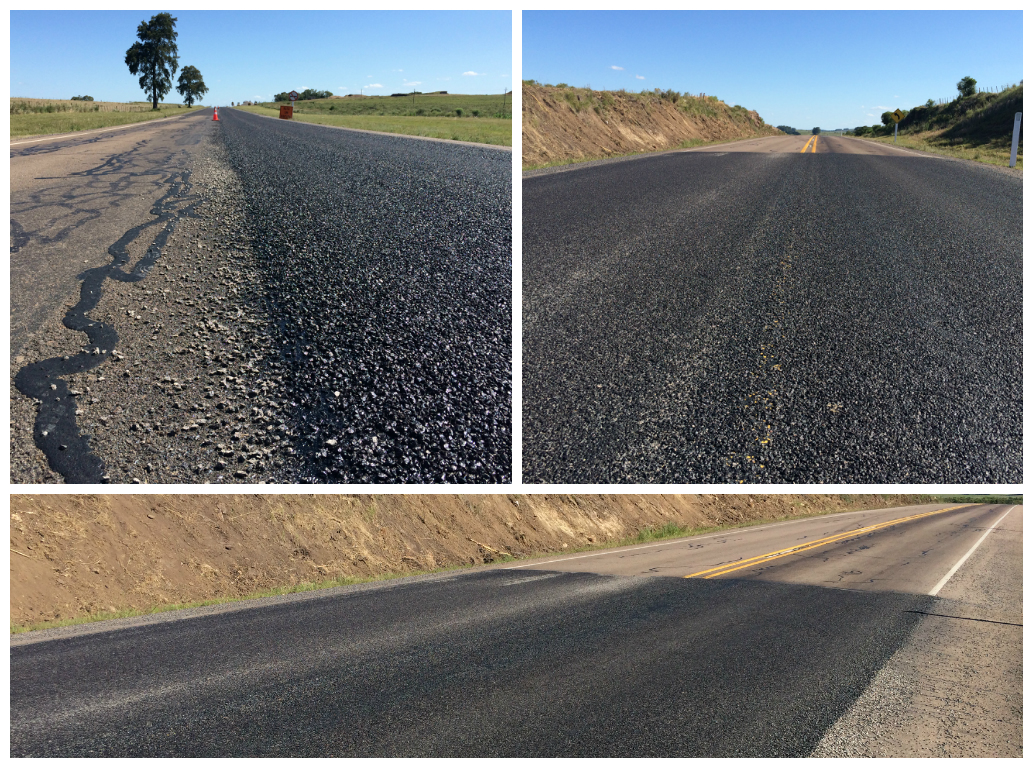
We all know that the surface condition of the road affects the accident rate: exudations, pits and rutting increase stopping distances and promote abrupt maneuvers, especially in wet conditions. At Grupo Bitafal we are working on techniques and products to reverse this problem.

As Voltaire said, “There is no such thing as an accident. What we call this name is the effect of some cause that we do not see ”. In general, the incidence of the human factor is the main cause of claims, although the causes are really multiple and some are not very controllable. However, from our perspective and our commitment to Road Safety, the surface condition of the road is a controllable factor and we are working on various techniques and products that substantially improve this situation.

Traffic accidents are one of the most deadly evils in our country. From January 1 to November 30, 2020, a total of 19,721 people were injured by traffic accidents, of whom 347 died and 2606 were seriously injured, according to official figures from UNASEV. Although the rate decreased compared to the previous year (figures strongly influenced by the voluntary mobility restrictions of the pandemic), they continue to represent a problem to which we must pay careful attention.

We detail below some of the main causes and possible solutions:

Hydroplaning and “Spray” effect:

For example, if the asphalt does not drain the water well or due to defects in the road an accumulation occurs, the famous problem of aquaplanning or hydroplaning occurs. At the same time, in closed mixtures, the “Spray” effect occurs on rainy days that make visibility difficult. Beyond the profile of the road that must ensure drainage as well as have a low rut to avoid accumulation, there are solutions that are capable of improving this drainage.

One of the solutions that has been applied experimentally in Uruguay is an F10 mixture with modified asphalt BITAFLEX AM3 in which a higher macrotexture (above 1.0 mm in the sand patch) was achieved than in usual semi-dense mixtures and allows to reduce the "Spray" effect mainly. Even so, it is necessary to see alternatives that drain more water, so we are working to carry out a overcoated with a drainage-type mix with modified asphalt BITAFLEX AM3, asphalt rubber AMC 50 the highly modified asphalt HiMA. The high viscosity of these binders allows the mixture to be applied while maintaining its high percentage of voids and its excellent performance against permanent deformation, preventing the formation of rutting and water accumulation as well as eliminating the “Spray” effect.

The greater the voids on the surface, the safer the rolling, so there are alternatives with surface treatments that allow improving sections that have these problems. For example we have applied in Uruguay type surface treatments Chipping" O cold microagglomerates to solve the rutting problem in such a way as to restore the transversal profile of the road and allow the normal drainage of water towards the sides. On the other hand the application of multiple locked treatments (TMT) It allows to generate voids but with a more comfortable and less noisy rolling.

Lack of texture and friction:

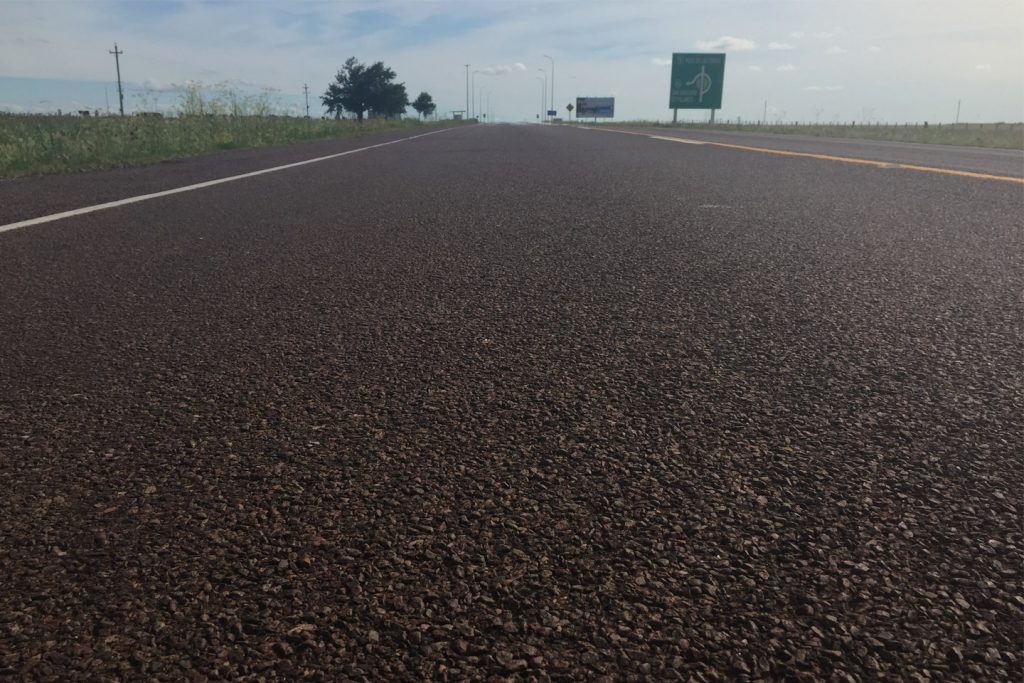
A problem related to the previous one but which is approached in a different way is the issue of the lack of friction of the road due to exudations or loss of texture of the stone aggregates. This can normally occur in heavily requested areas such as intersections, traffic lights, access to roundabouts, roundabouts, etc. In these cases, loss of vehicle control, increased stopping distance and skidding can cause serious accidents. To improve friction we are also working with high friction Seal Coat treatments, composed of high performance binders and excellent resistance aggregates. These treatments have the additional possibility of generating a red, blue or green color surface, which improves the visibility of the road and the driver's attention.

Wells:

Finally, the problem with wells is that they usually generate abrupt maneuvers at high speeds that can end in a collision or loss of control of the vehicle. For this, at Grupo Bitafal we work to promote preventive treatment, with the use of a battery of surface treatment techniques that allow, with the same money as with a milling and replacement scheme, to maintain a high standard of the pavement, ensuring the absence of wells.

In secondary and urban roads we have been working with departmental municipalities for several years supplying the family of emulsions MIX 55 to make cold mixes for patching.

In short, these are the latest developments in materials and techniques that improve road safety. We want to invite anyone interested to see our facilities and see these innovations first-hand.
Road maintenance

Road maintenance

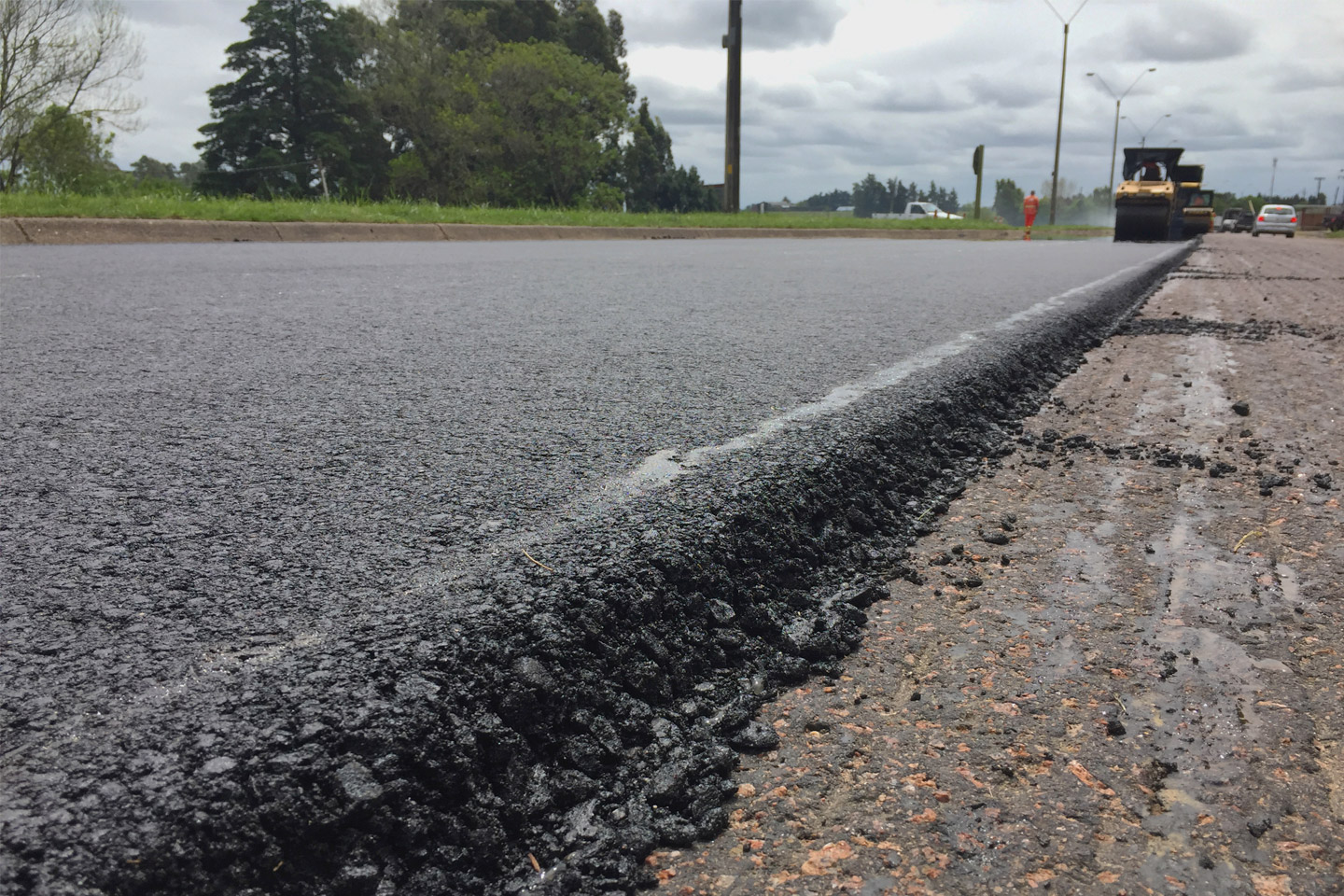
We made a tour of the fronts of works which are being used Bitafal products.

This time we made 1400 km traveled by different works in progress, or a year of operations, for the purposes of check the technical situation and being in contact with the realities of the same.
In general all routes flown are in good condition but we have to convince us that interventions on the roadways when done in a timely manner so substantially lengthen the quality and durability of our floors. On the other hand we must continue to innovate and look for continuity mechanisms that do not generate electoral cycles ups and downs in the construction industry.
1) Laying asphalt mixture with modified BITAFLEX AM3 on driveway route 5It executed by the company HYG, great work rate and tidiness, a substantial improvement on driveways executed noticeable, providing a long service life of the road.
2) Then we visited the works on route 3 Pass of the Port to Young about 6 years ago and made it in very good shape and visited the recent works carried out by the firm Gofinal / Lemiro Pietroboni in retreading executed asphalt modified asphalt BITAFLEX AM3. I became essential that retreading modified asphalt because it was the only stretch of Route 3 in the vicinity of Young was fatigued.
3) Just finished running route 25 also modified asphalt BITAFLEX AM3. We were accompanying the company Colier Opening of the section of Young to Route 90 which has a traffic of 300 trucks per day wood and general condition of the road it was very bad due to the age of the last interventions.
4) They are starting the work by signing the INCOCI route 90, Which is stabilized with portland cement and seal with a surface treatment made with highly modified emulsions.
5) On Route 30 Route 3, Diaz Alvarez signature is running treatments emulsions IRRIGATION Bitaflex 65 P40, Achieving aggregate adhesion / asphalt very good and well behaved at the high temperatures of the region.
6) We participate in the cuts ribbon inaugurating bridges all route 30, Works of very good quality and excellent execution deadlines were completed 7 months before the deadline, congratulations to the four companies that participated: Saceem, Incoci, Grinor and Cujo.
7) Bases route 30 are being prepared by the firm Tracoviax in its entirety for treatment reinforced emulsions highly modified type IRRIGATION 65 P40 as required by the standard and the respective region.
Sieve executed with bases are being stabilized very well and really congratulates them for the arduous task of mastering the basalts of the north.
8) We review the overall asphaltic treatments region surrounding the city of Artigas and we can certify that his condition is very good. We visited the section executed by Incoci on Routes 30 and 31 as well as performed by Tracoviax on Route 30 and kept in good shape, without exudates or potholes. They are very well executed with the correct dosage, presenting a texture that can be seen in the photos taken.
9) And returning, we passed the landmark CHIPING executed by Colier on route 5 in the sections of hits on Route 43, San Gregorio de Polanco. That stretch was performed for the purpose of a necessary and immediate intervention to last 1 or 2 years, as we have been 8 years and continues to provide adequate service. Only they have been some meters bridging sealing.
We have to convince us that interventions on the roadways, when done in a timely manner, so substantially lengthen the quality and durability of our floors.
That calculation is handled that for every dollar we spend on maintenance, spare 8 future dollars, in this and many other cases are checked handsomely.
We have cases of the Chiping de Ruta 8 of Serviam 4 years, the retreading 2 cm asphalt Arnel Bitaflex AM3 on route 8 which it lasted more than 10 years and only last year was milled and Recapo by the firm Techint. It is very good for our company to see the progress of the work and make returns to our friends.
Until next time.
EXCELLENT PERFORMANCE IN chiping Route 8

EXCELLENT PERFORMANCE IN chiping Route 8

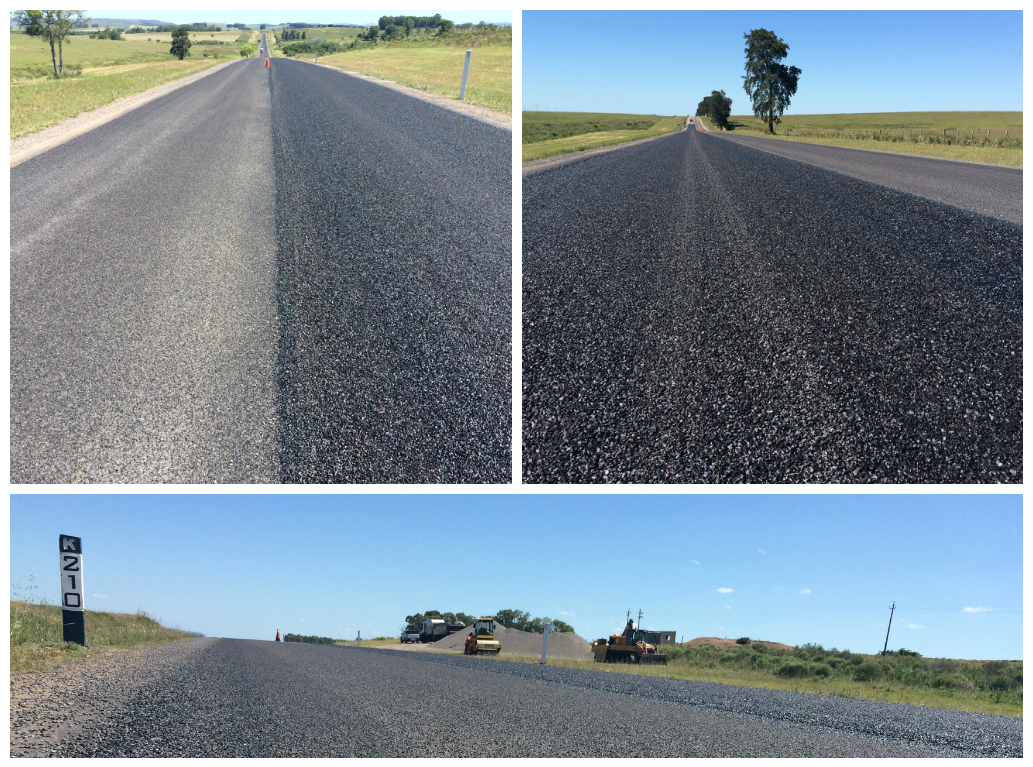
With more than a year in service, the 23 Km of Chiping made in Route 8 for Serviam S.A. distributed between km 209 and 235 behave impeccably fulfilling the objectives set out in its application.

Cal (2)

As for existing defects, they are very specific and easily solvable. Specifically, the final stretch of about 900 m which took place near the very long winter we suffered in 2016, the arid fell off prematurely, leaving an excess content asphalt surface coinciding with the existing tracks in the driveway.

To rehabilitate recently decided that surface making a chip seal 5 to 14 mm in traces low emulsion and then placed on the same day with the chiping aggregate 5-10 mm across the width of the road and the corresponding irrigation emulsion fog BITAFLEX IRRIGATION 65 P40 D prepared with hard asphalts.

In this way it was possible to correct the existing rutting, excess asphalt surface was controlled and good macrotexture and a uniform finish with the rest of the section made last year was achieved.

We invite you to watch the pictures chiping status and recent stretch made.

ALL PHOTOS HERE

Ways of the world: Impressions of New Zealand trip

Ways of the world: Impressions of New Zealand trip

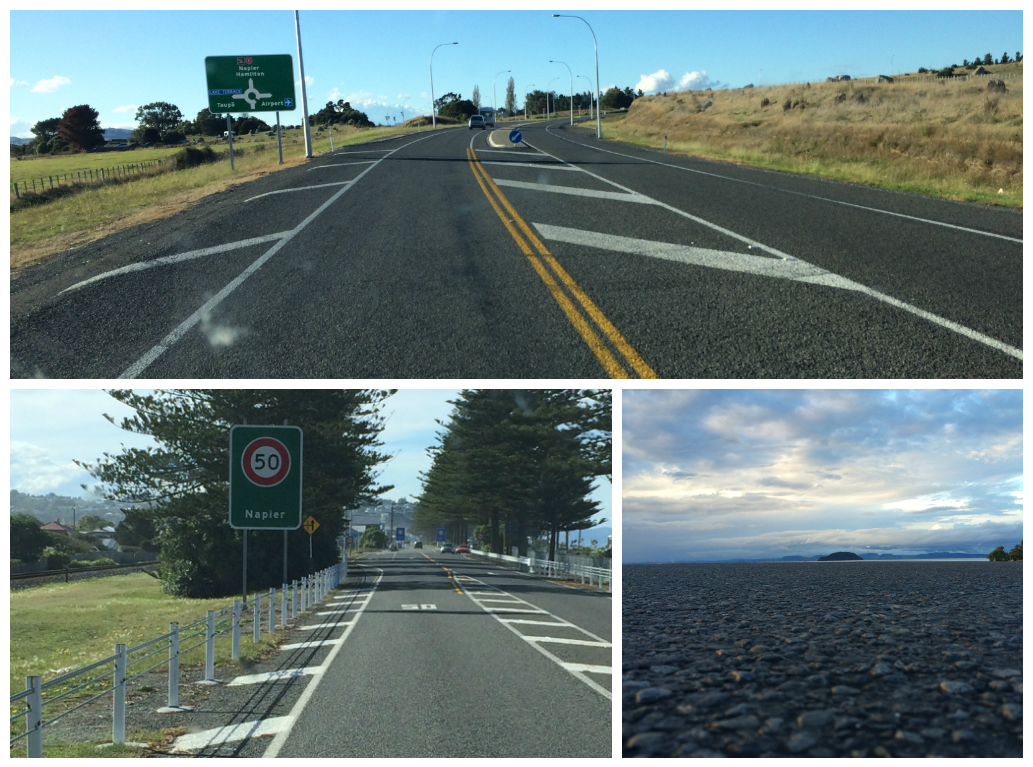
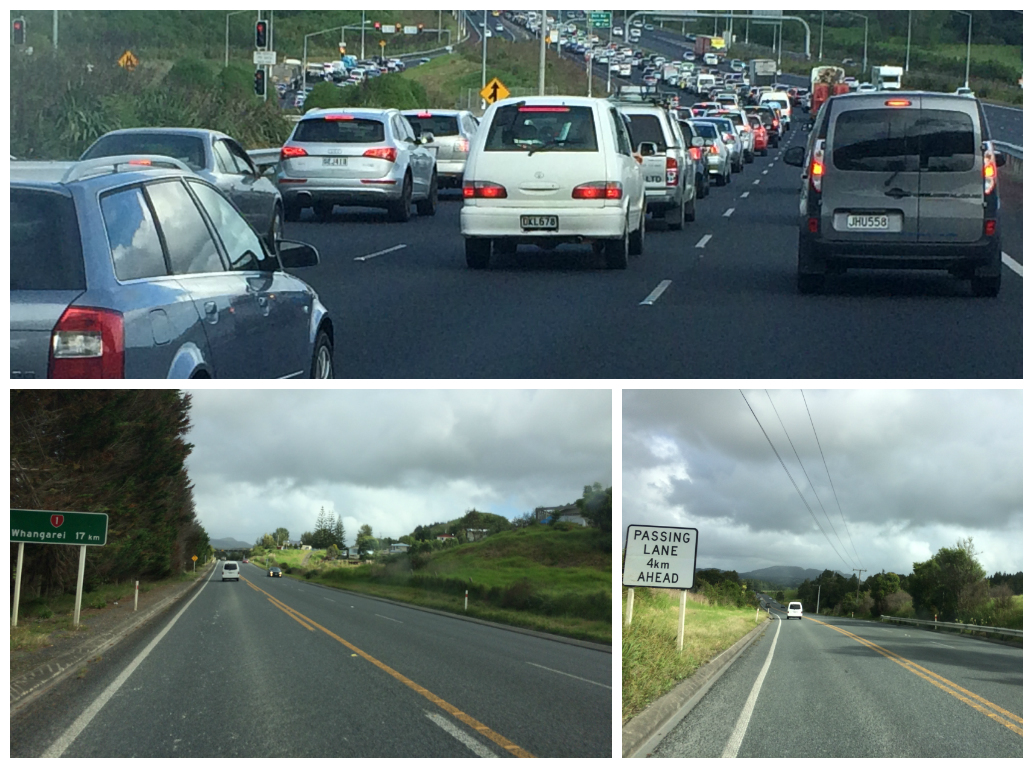
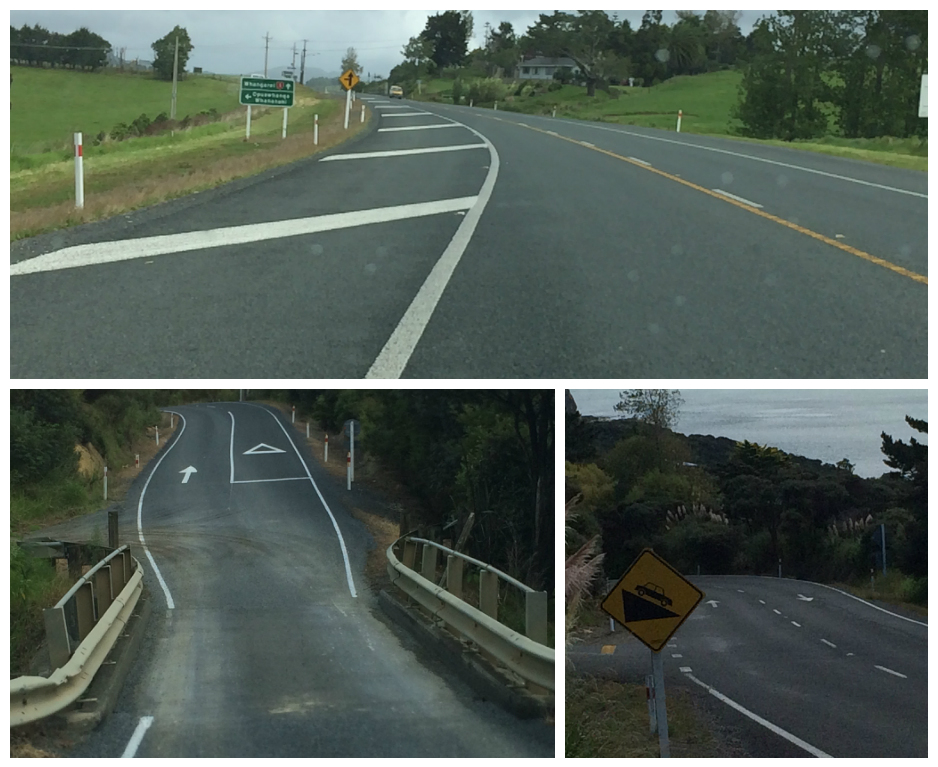
We had the pleasant opportunity to visit for 20 days, covering 2735 km of roads NEW ZEALAND and returned extremely surprised by the quality of roads in the country.

New Zealand has been successful in how to combine technologies way to get a paved road network of high quality. Let's start with comparative data with our country:
-New Zealand has 270,000 square km, 50% more than Uruguay.
-have 95,000 km of highways and roads (0.35 km / km2) of which 63,000 km are paved, 66% of the total.
-Uruguay 78,000 km road (0.44 km / km2) of which have 8000 pavings, only 10% of the total.
In other words, we have a higher density of roads per km2, but far we have long paved network as theirs.
It is that in New Zealand stabilization in situ with cement, lime or asphalt, is present decades, using as surface treatments surface layer and leaving only places high demands on the use of asphalt.

As we all know, the quality of the bases is essential, but if surface treatments are used as rolling. Conversing with them consulted engineers work, how they do it, and his answer was blunt: "It puts on a carpet and hard floor will last a lifetime, if you put on the clay have to throw very soon".
Transportation Agency's own New Zealand indicated on your website: "The surface treatment is the most common type of rolling road in New Zealand. Economic, flexible and resilient, it provides an adaptable, safe and cost efficient surface for road users. We have a regular all surfaces to ensure they will perform at maximum follow.High traffic roads resealed usually need about every seven years, while roads that carry less traffic can last 15 to 20 years before resurfacing is required. " (Source:NZ Transport Agency)

We share then as discussed with technicians work procedures used for construction of a typical road in New Zealand.
CONSTRUCTIVE PROCEDURE
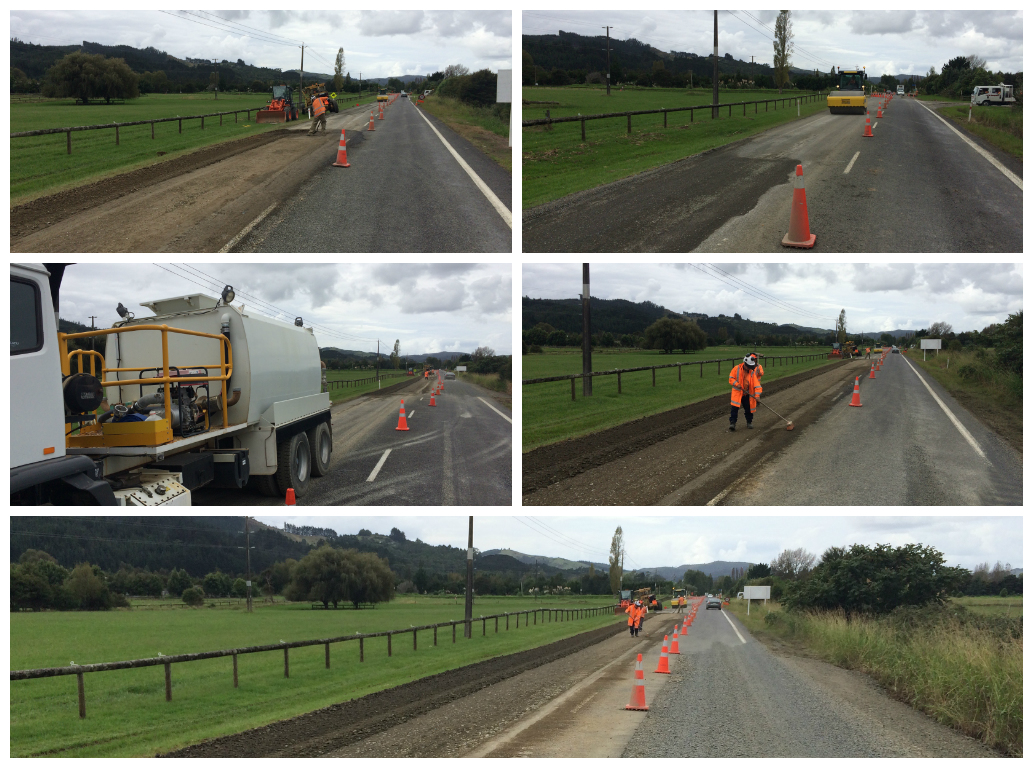
The kickoff is performing test base materials, the effects deeply know what material is counted. The development laboratory formulates a stabilization project based on cement, lime or asphalt and if you have enough good granular material in the area is considered the particle size stabilization with a maximum size of 65mm and the addition of 2% of cement.

The bases are treated perfectly with suitable materials, with the necessary granulometry compacted and cleaned before waterproofing.
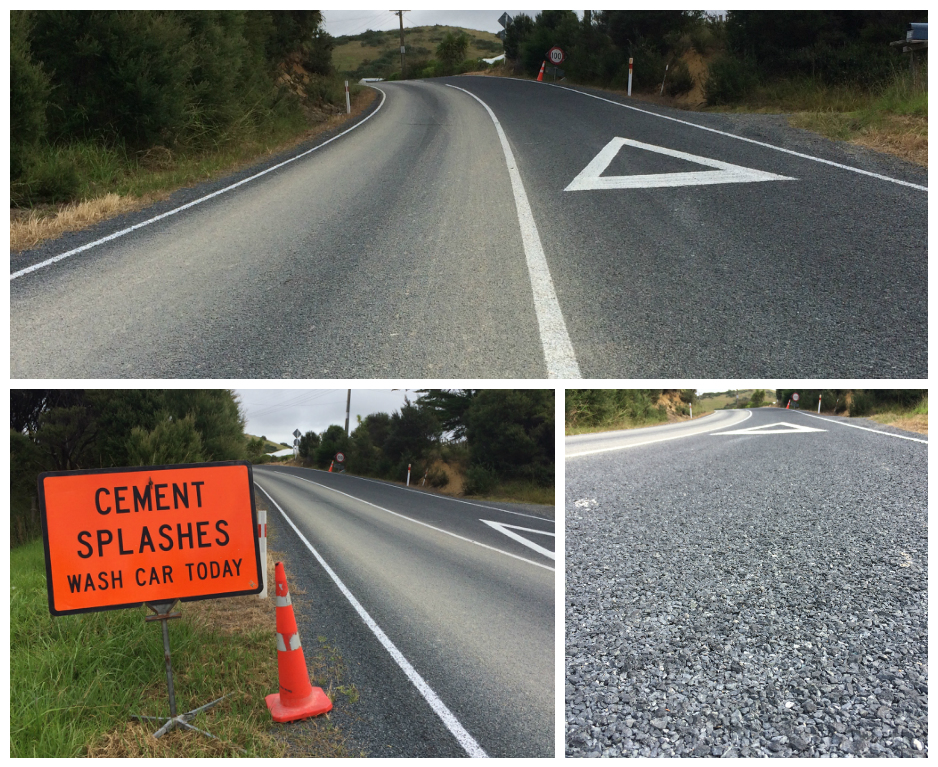
By having a very good base are limited to be as tread layer surface treatment with dry monogranular 6-12 mm and with the passage of time, when the treatment loses or shows a signal texture permeability, apply a second treatment with fraction 2-6 mm improving rolling and waterproofing structure again.
Then repeat the cycle with a large fine gravel 6/12 on and so on, always taking a road in perfect condition applying preventive maintenance at the optimum time.

Asphaltic used folders in the inner city, joints roads, highways exit of cities and in very short stretches of mountain roads when the slopes and angles are too demanding for a surface treatment.
The guide Transportation Agency New Zealand on the selection of the suitable tread layer is in the following link: Selection Guide surface layer

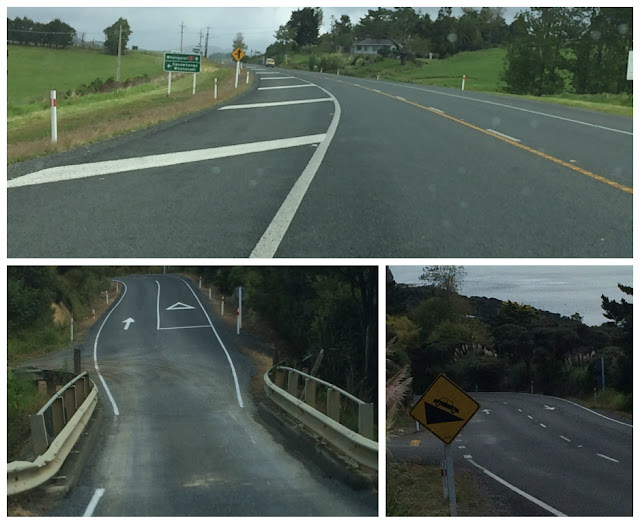
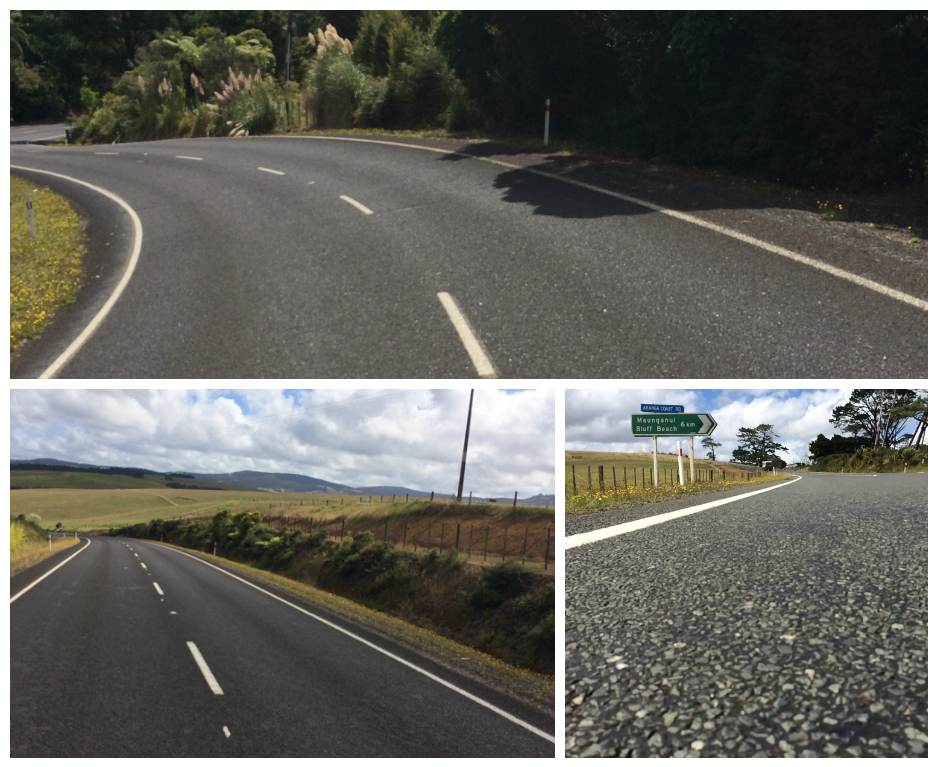
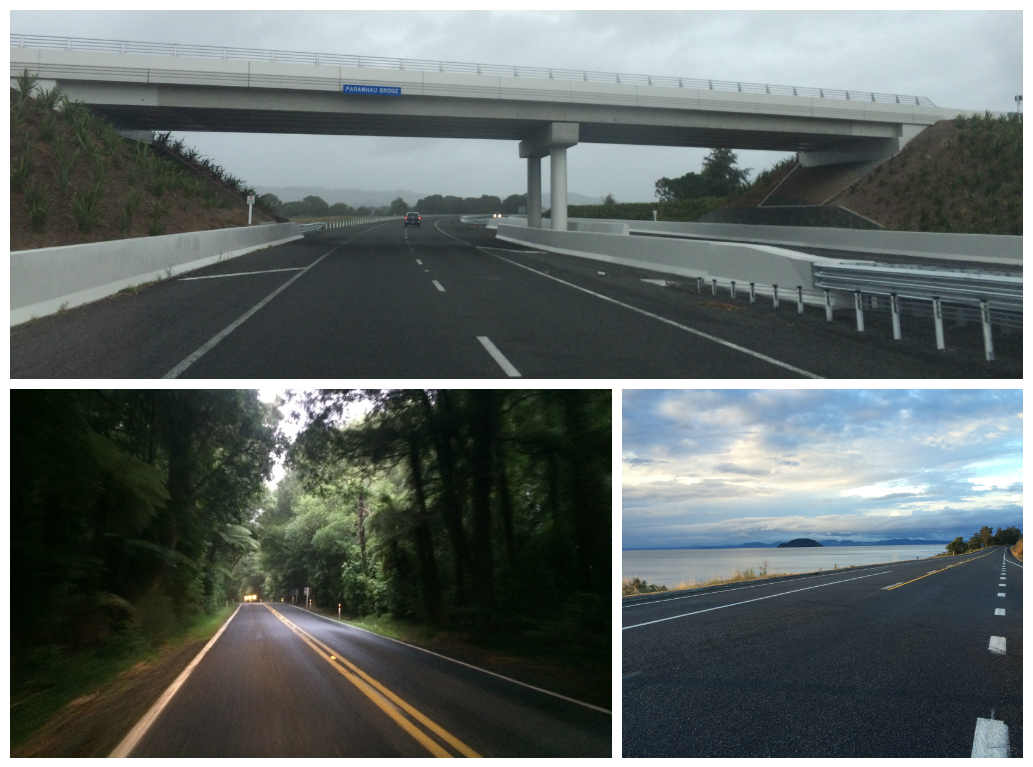
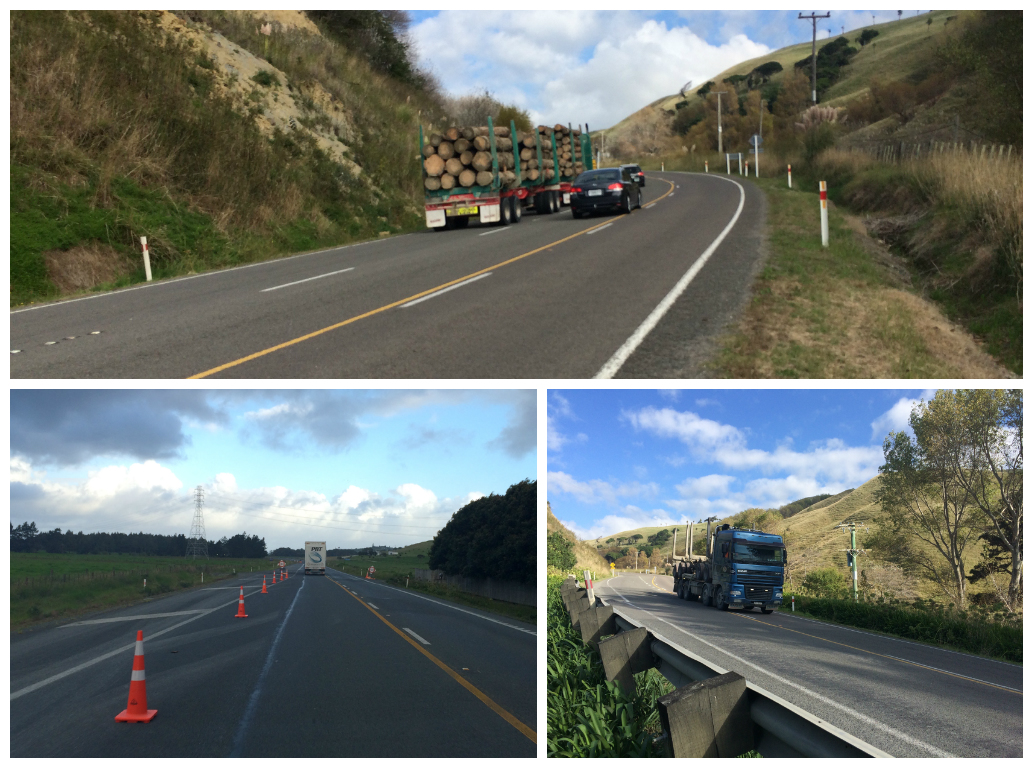
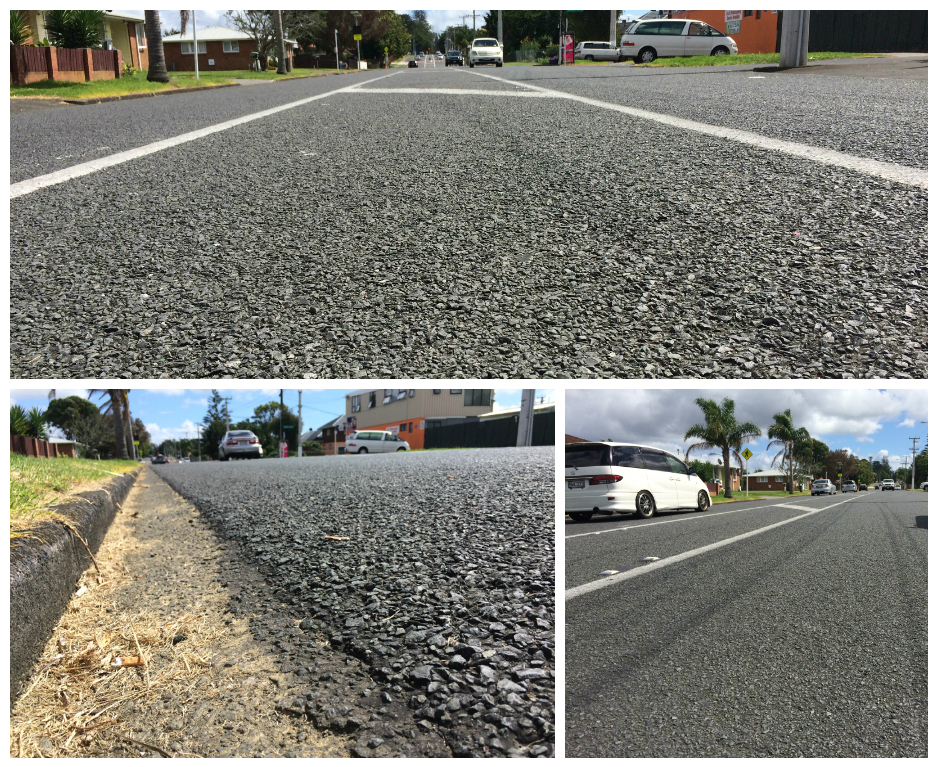
The use of surface treatments monogranular or Chiping, reaches places such as a neighborhood of the city of Auckland, and most important port in the country and the North Island as seen in the photos below city.

Our trip was not only on this visit in the month of May Bitafal group You will be participating in a two-day course on technologies Chiping in the city of Christchurch in the South Island. In addition we already have a publication of more than 500 pages of the Manual on Chipsealing in New Zealand. Interesting document available on: Chipsealing in New Zealand
To keep growing and researching, we have a long way to go.
We leave more photos in the following link

Advanced technologies: Chiping on Route 8

Advanced technologies: Chiping on Route 8

The company has relied on Serviam Bitafal Rentals to assist in the maintenance of Route 8 between Pirarajá and Aramendía through technology Chiping.
It involves the application of a simple surface treatment fog irrigation, using a highly modified with hard asphalts emulsion (Emulsion BITAFLEX IRRIGATION65 P40 D) And aggregates of excellent quality and grain size adjusted.

La condición inicial del pavimento consistía de una carpeta asfáltica fisurada pero casi sin ahuellamiento. La empresa realizó los bacheos necesarios y el sellado de fisuras y Bitafal Rentals colaboró con las modernas doble esparcidoras para lograr una buena terminación con elevados rendimientos de ejecución.
The result was a high surface macrotexture improving tire grip with the pavement and less effect "spray", combined with a total water proofing, ensuring a longer life to the pavement. Furthermore the application of a surface irrigation fog, beyond ensuring adherence of aggregates, manages to homogenize the surface to give a uniform aesthetic finish.

Combining a good job of preparing the surface, using materials of superior quality and performance with the latest equipment, we are sure it will work long service life.
Just relieve the sections of Chiping executed Ruta 5 por Necklace (San Gregorio north) in 2010, as we reported in previous editions of "Making Roads" to convince durability and excellent surface characteristics of technology.

ROADS :: :: MAKING
Bulletin No. 26 (23.11.2010)
Bulletin No. 54 (06.21.2013)

See all photos ON HERE

We use own and third party cookies to help us optimize your visit to our website and also to improve service delivery and thus adapt to their most relevant and useful to better their experience needs. When you click OK to continue with navigation and thus confirm that you have read the information and accept the activation of cookies.

You can allow or reject use at any time can change the Configuration Options Privacy - Cookies Policy -

Privacy settings

When you visit a website, you can store or retrieve information in your browser, mainly in the form of cookies. Check your personal services cookies here.


We track anonymous user information to improve our website.
.
  • _ga
  • _gid
  • _gat

Decline all Services
Accept all Services