Author Archives: Bitafal Group Communication

New unit mobile laboratory CITEVI

As we announced in previous editions of "Making Roads" We continue to strengthen the technical and logistical capabilities of our Technologies Research Center Vials.

The addition of a new mobile laboratory allows to transport more efficiently and safely to our technical and assessment teams and pavement samples for analysis need to be transported to our laboratory in Cologne Nicolich.

It is available to our customers for the testing of density and moisture in situ by the nuclear densitometer, determining the bearing capacity of soils, bases, subgrades, etc. deflectograph by light impact and for materials characterization tests.

More information: citevi@citevi.com.uy
BAUMA 2016 - Impact trip to Germany

BAUMA 2016 - Impact trip to Germany

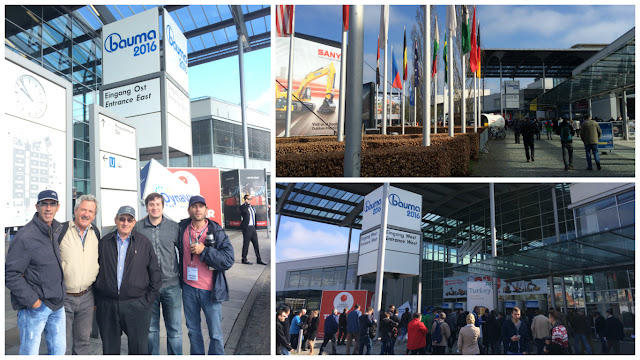
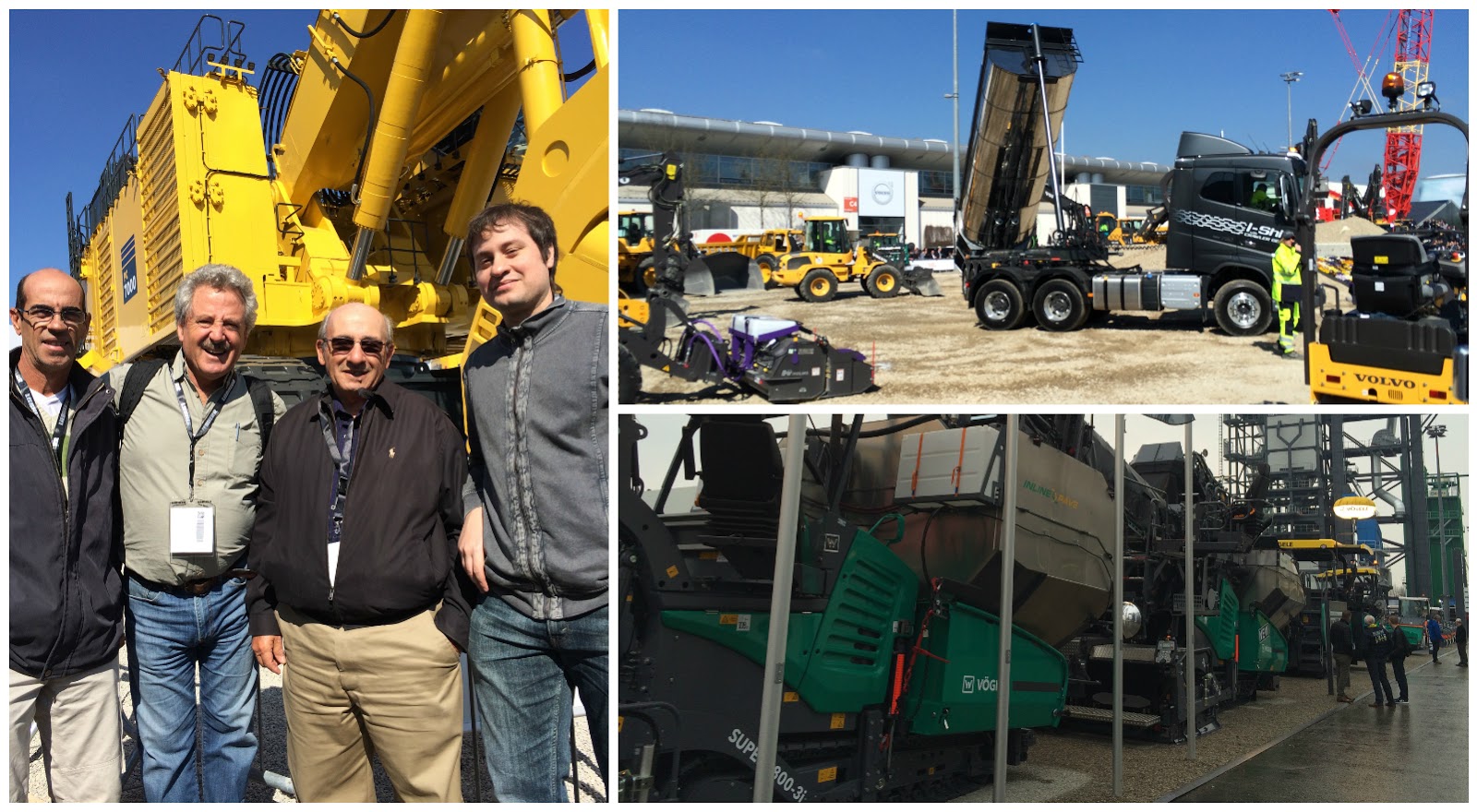
The Bitafal Group was present within the 580,000 visitors from 200 countries visited Munich between 11 and 17 April to participate in BAUMA 2016 Fair construction equipment and the world's largest mining.


A total of 3,423 exhibitors - 1,263 in Germany and 2,160 abroad - from 58 countries presented their products, developments and innovations in 605,000 square meters of exhibition space.

Of Uruguay were present various companies road category as H & G, Grinor, Incoci, Impact, Maqvial, Tradinter and Bromberg.

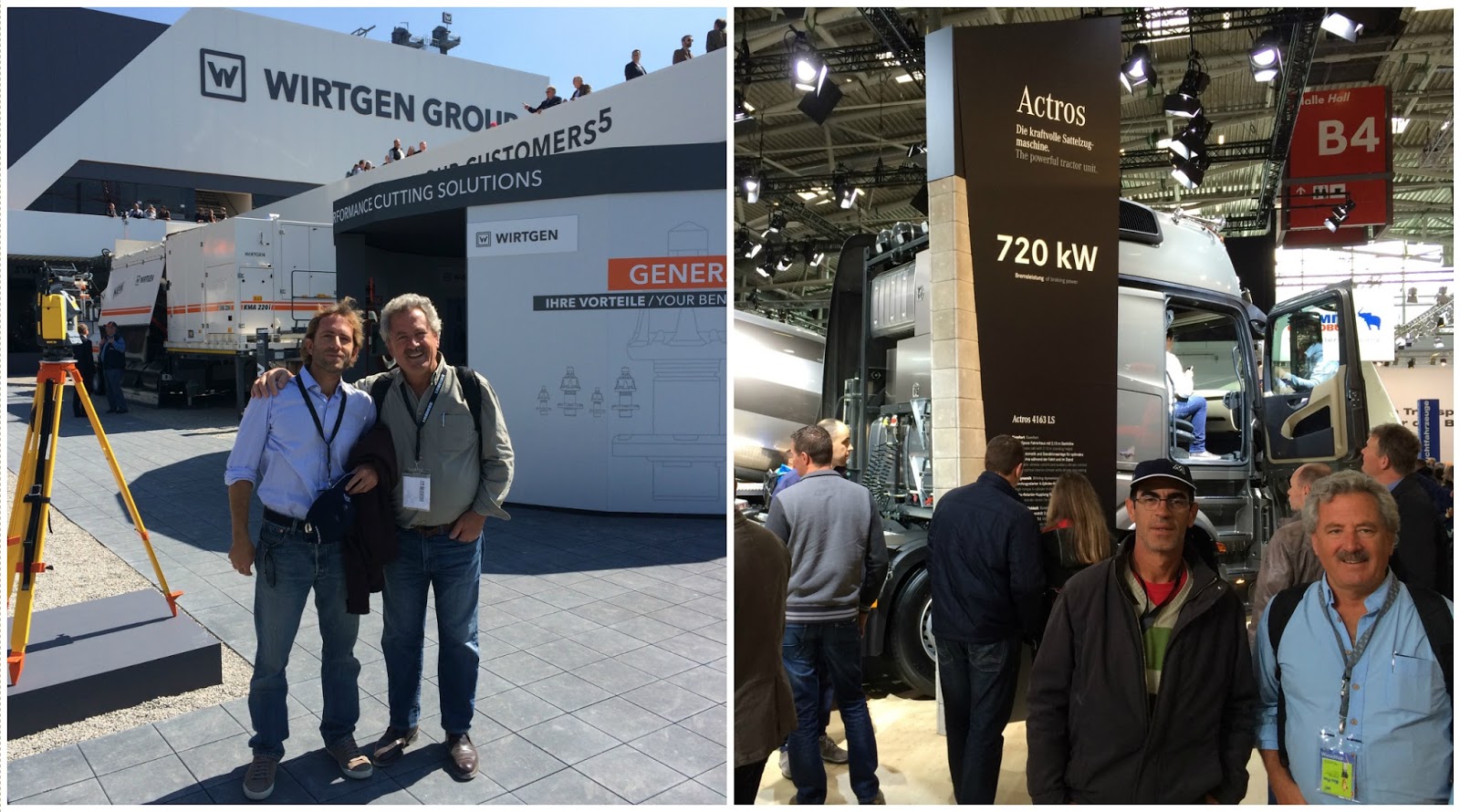
The main highlights of the show were the dimensions of the same and particularly the stands Liebherr and Wirtgen, the presence of the vast majority of companies in machinery construction world and the many people who, despite the rain a few days, he toured the fair.

The next Bauma will be in April 2019, involving recommend it because it is really interesting.
Do not miss it!

See all PHOTOS HERE
BAUMA in 5 Minutes: Official Video
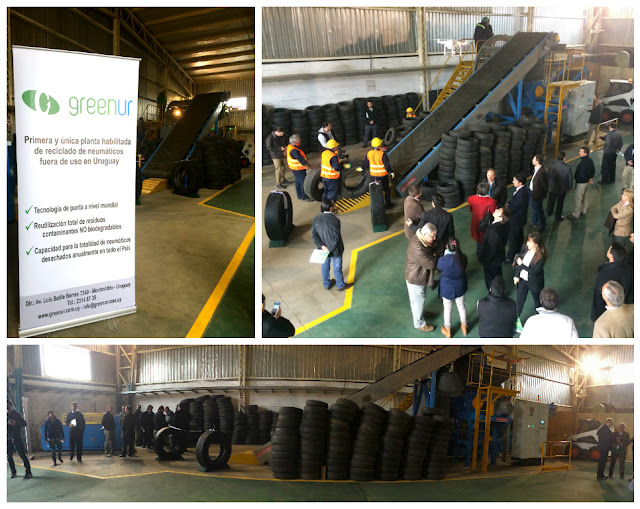
the first tire recycling plant is disused Opens - GreenUr

the first tire recycling plant is disused Opens - GreenUr

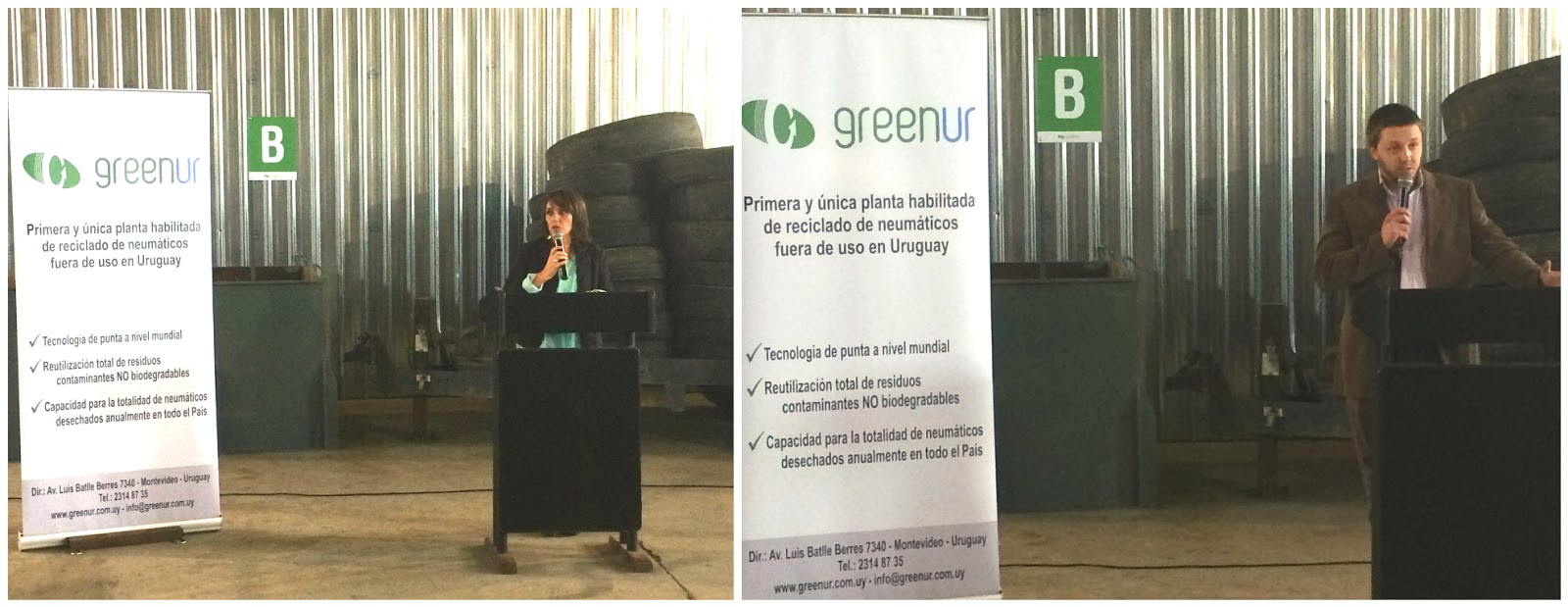
Thursday 5 May, the first and only authorized recycling used tires in Uruguay plant opened, GreenUr.The plant is key to advancing the implementation of Decree 358/15 on Management of tires out of use for what is working with importers, traders tires as part of their management plans and DINAMA regarding authority (Source El Observador, 05/15/16)


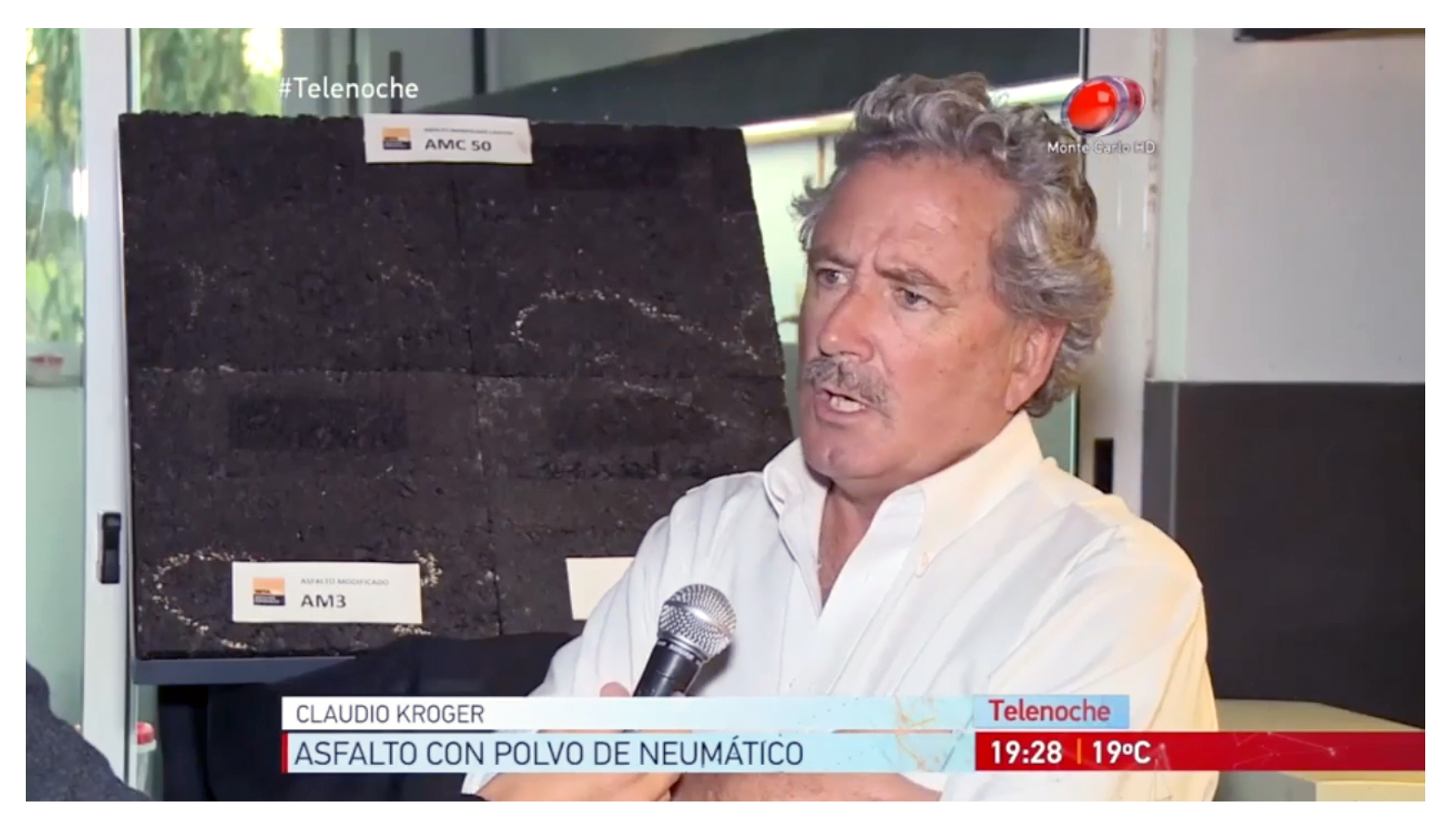
Bitafal Group since we collaborated in sharing knowledge about the use of crumb rubber in asphalt modification, both in the technical specifications of the powder and the advantages that it confers on asphalts.

We are currently working on the realization of a stretch on a national route BITAFLEX AMC 50 to verify the technical and economic advantages that the use of this technology provides.

The recycling plant is in a first stage of chopped "thick" (5 x 5 cm approximately) and can process up to four tons of tires per hour. This coarse material is easier and cheaper to carry and has good conditions for use as fuel in cement or as a first step in a process of grinding crumb rubber.

Is expected to end of the year comes another batch of crushing equipment to achieve reach the required particle size for use in modifying asphalts.The plant capacity expected to reach two million tires per year, which would consume the tires entering the country and slowly consume the existing environmental liabilities.

See all PHOTOS HERE

Reflections on state of emergency of national roads

Reflections on state of emergency of national roads

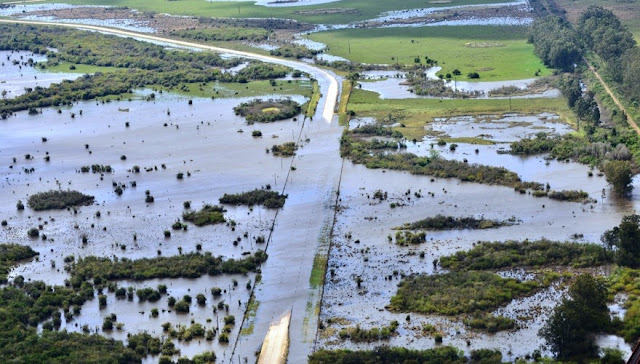
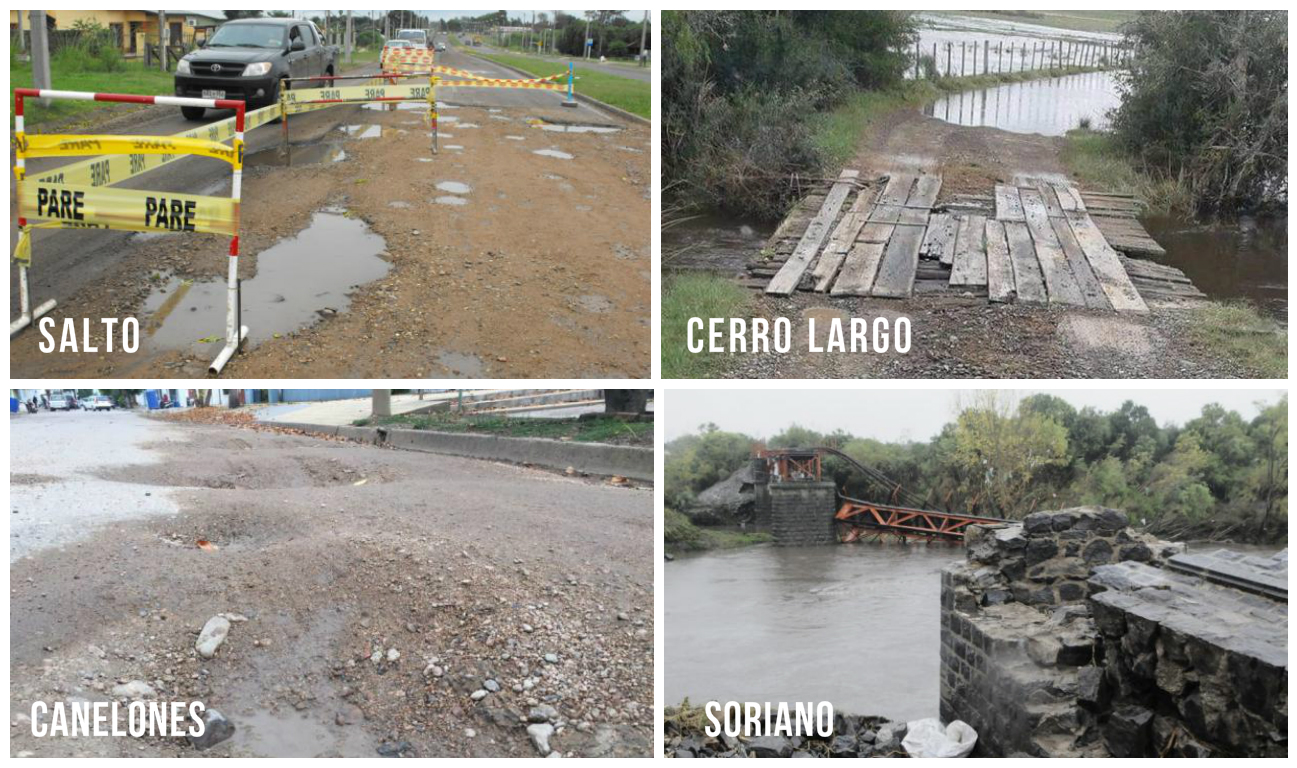
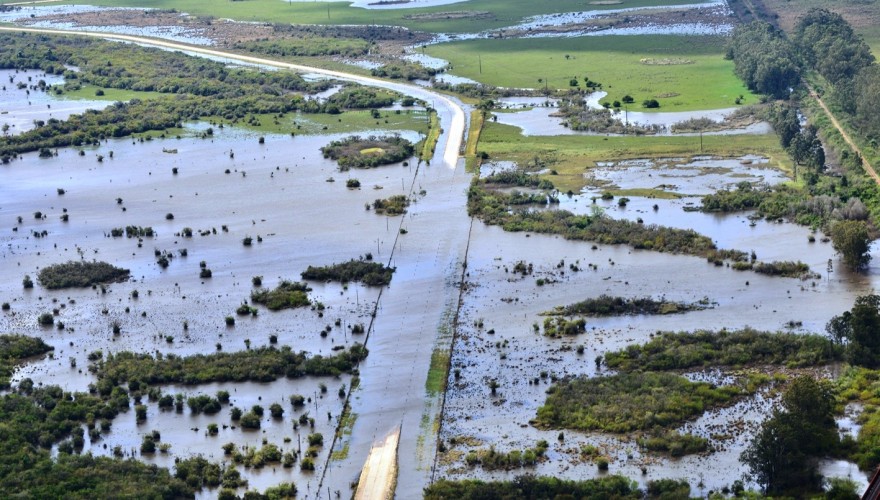
Severe weather in recent months are to be felt in the national roads, from the primary network to rural roads(Source: El País, 04/19/16)

So much so that in several departments requested that the "emergency road" is declared, as indicated in Canelones (Source: El País, 10/04/16)and Salto (Source: El País, 13/04/16) as well as on the coast of the country (Source: El País, 04/20/16) And in the west in Cerro Largo (Source: El País, 05/09/16)

Images: The country
Image: El Observador

It has been announced by the government a battery of proposals from an extra small party for the Intendencias to cope with the deteriorating state of their ways to the extension of the scheme of PPP (Public Private Partnerships) to rural roads (Source: El Observador, 05/15/16)


He also spoke of a Strategic Plan for Rural Caminería (El País, 05/04/16) But without going into more detail than that is going to make a "Analysis of the needs of each department and introduction of new technologies for road construction".

PROPOSALS

In this aspect, from the Bitafal Group to continue innovating bet in real technical solutions for the durability of rural roads.

1) As We introduced in 2013 technology Soil Stabilization and Pavement Recycling siteToday we remain committed to expanding its use with new binders and execution techniques. We have Foamed asphalts as BITAFLEX AME which can extend the working range during cold periods and give improved performance of mixtures.

2) As ferrous Surface treatments advocates we are, we are developing new asphalts, emulsions and execution techniques to achieve higher durabilities at lower costs. Also looking to expand the range of work during cold seasons.

3) We continue spreading the use of both techniques together. Road engineering worldwide considers that the implementation of these two technologies is the ultimate solution for rural roads and not to mention, because of our scale, which for much of our crumbling road network. What we have learned we must communicate why We participate in conferences and seminars at national and regional level.

4) We continue to learn to apply in UruguayAs we reported in the last edition of "Making Roads" we learn from the Kiwis who have already worked hard to seek durable and economical solutions. One of our technicians will participate in a course Surface Treatment in New Zealand and now we plan to bring South African technicians to continue the dissemination of successful experiences in the world.

5) We continue warning the political actors about the risks of "new" soil stabilization techniques with chemical or biological products. El using these experimental technologies must be done in a progressive manner, and supported on objective, technically sound and consistent, which in one way or another, justify its use. For this test we participate in conjunction with experimental technologies, using the universal recognized technology stabilization Portland cement on a stretch of road in Artigas.

Image: Treinta y Tres


deflectograph light impact (LWD): New incorporation into CITEVI

deflectograph light impact (LWD): New incorporation into CITEVI

The new equipment strengthens the sion in pavement evaluation and esplanades.

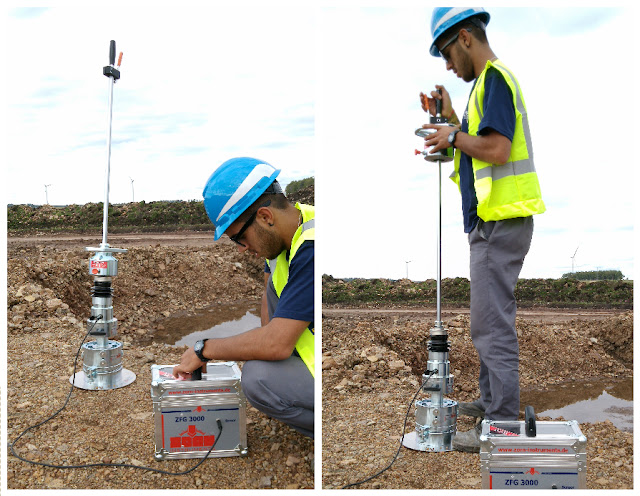
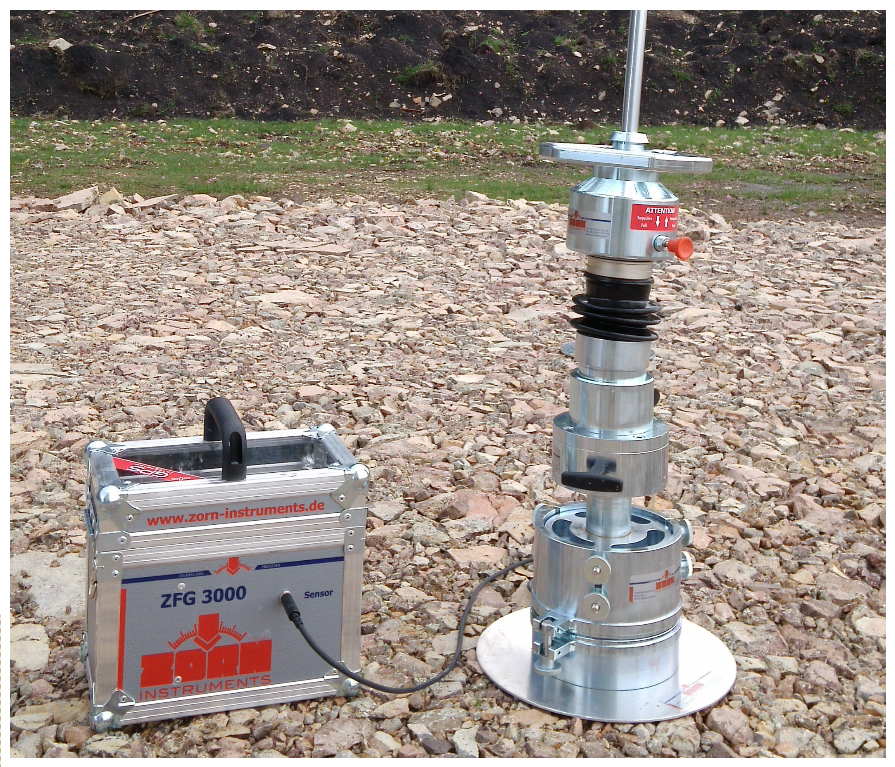
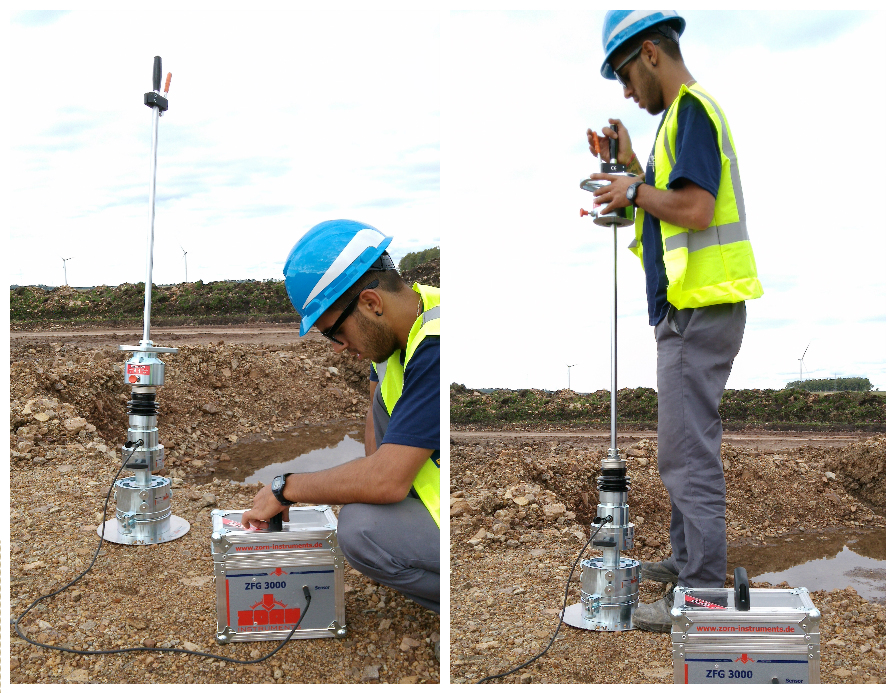
Last March was imported from Germany, a deflectograph Light Impact (LWD, its acronym in English) ZFG 3000 Zorn Instruments. The computer determines the dynamic deflection module (Evd in MN / m2) and pavement subgrade for determining the bearing capacity and compaction of the materials used quickly, economically and easily.

The LWD, can be used as alternative to the assay plate static charge as indicated by the literature and the German regulations with advantages:
· Does not require a loaded for conducting the test truck, saving on costs and expanding applications testing.
· Can be used in confined spaces due to the size and lightness of equipment.
· High yields because each measuring point takes about 3 minutes on average.
· Provides accurate tests and recording automatically the measurements with time stamp and GPS coordinates.
Equipment joined with two 10 kg weights for one allowing pulse strength 7.07 kN and another 15 kg giving a pulse of 10.6 kN with load plate 300 mm.

Moreover an accessory brought to replace the load plate, to measure the in situ CBR materials. In the coming months we will be bringing you the results of different comparative studies are underway to determine the applicability of the equipment for determining these parameters.

Emulsions for high demands (65 IRRIGATION BITAFLEX P40)

Emulsions for high demands (65 IRRIGATION BITAFLEX P40)

Since 2011, SPECIAL BITAFAL ASFALTOS, It has expanded its line emulsions seeking to adapt to climatic conditions, use and traffic which are undergoing different technologies.

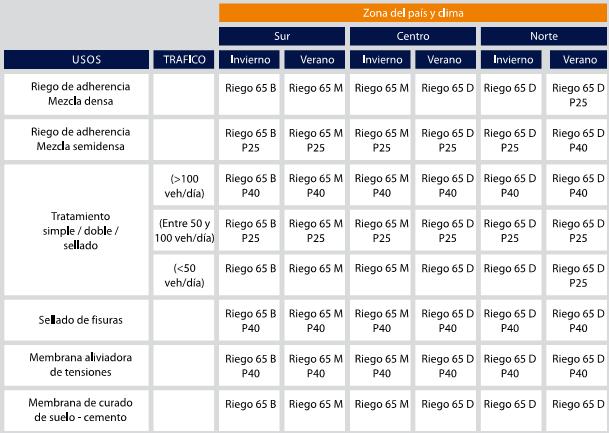
The specification used in our country for modified emulsions is the IRAM 6698 standard: Modified cationic asphalt emulsions. In it, to determine the degree of modification, the minimum requirement for elastic torsional recovery is 12%, a value that we consider extremely low since a conventional asphalt cement has about 8%. That is why we have specified two ranges of elasticity for all types of modified emulsions manufactured, one with a minimum of 25% and another with 40% elastic torsional recovery and three types of asphalt penetration ranges depending on the application and thermal gradient in the area to execute the work.

Then we attach an indicative table for selection of emulsions Irrigation

The emulsion designed for the highest demands was the emulsion BITAFLEX RIEGO 65 P40 D, Which is manufactured with an asphalt hard penetration of 50 to 80 dmm (and a viscosity above 2000 cP as determined in a study of sections required not presented exudates) and add a high amount of polymer achieve greater torsional elastic recovery 40%.

Already there are several sections that have used this emulsion on domestic routes (Route 26, Route 15, Route 8, Route 5, etc.) and their use is becoming more common because of the noticeable advantages of their use. On the one hand, it ensures good performance of works even when not run in optimal temperature conditions or performance and moreover withstand high traffic demands and climatic giving high durability to sections executed.
this emuslión was recently applied in the Chipping performed by Served en Route 8 with excellent performance, withstanding high temperatures and traffic, with minimal detachments.

For inquiries please write to bitafal@bitafal.com.uy or visit our website www.bitafal.com.uy

Ways of the world: Impressions of New Zealand trip

Ways of the world: Impressions of New Zealand trip

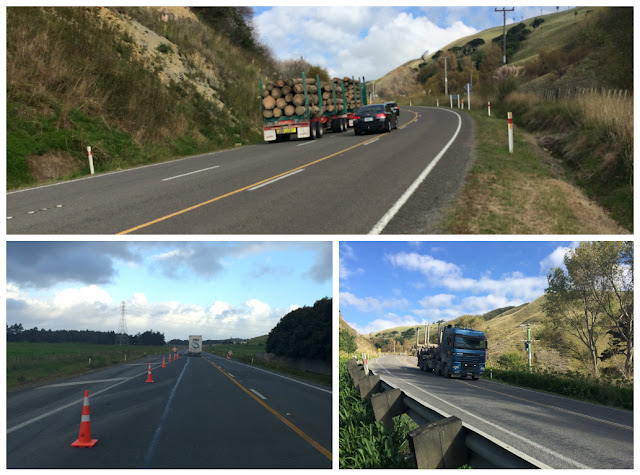
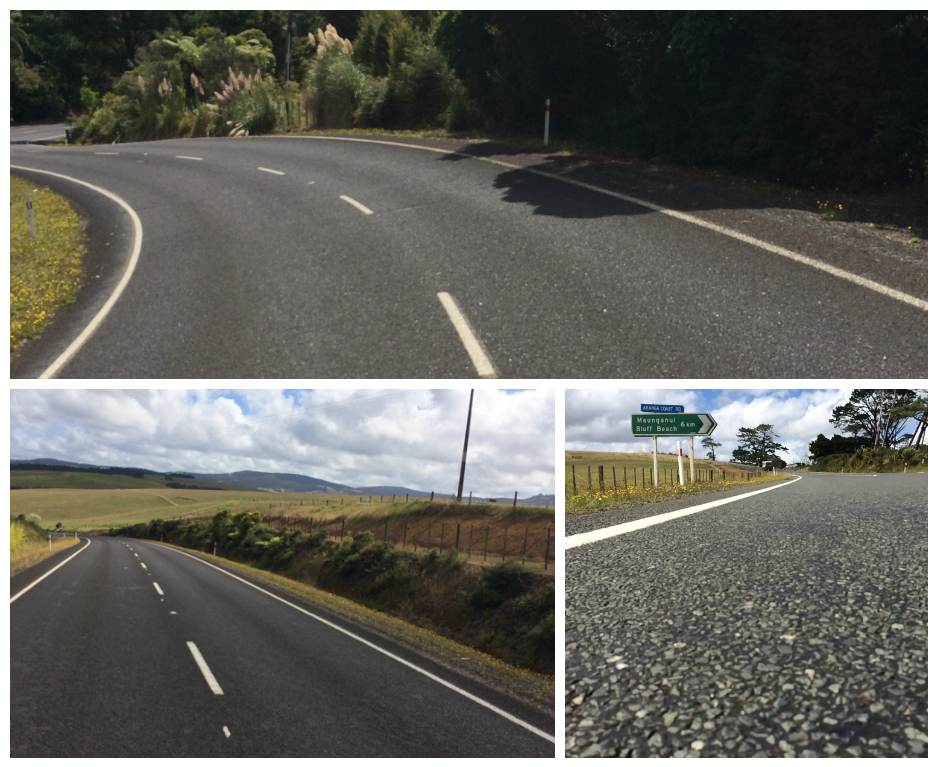
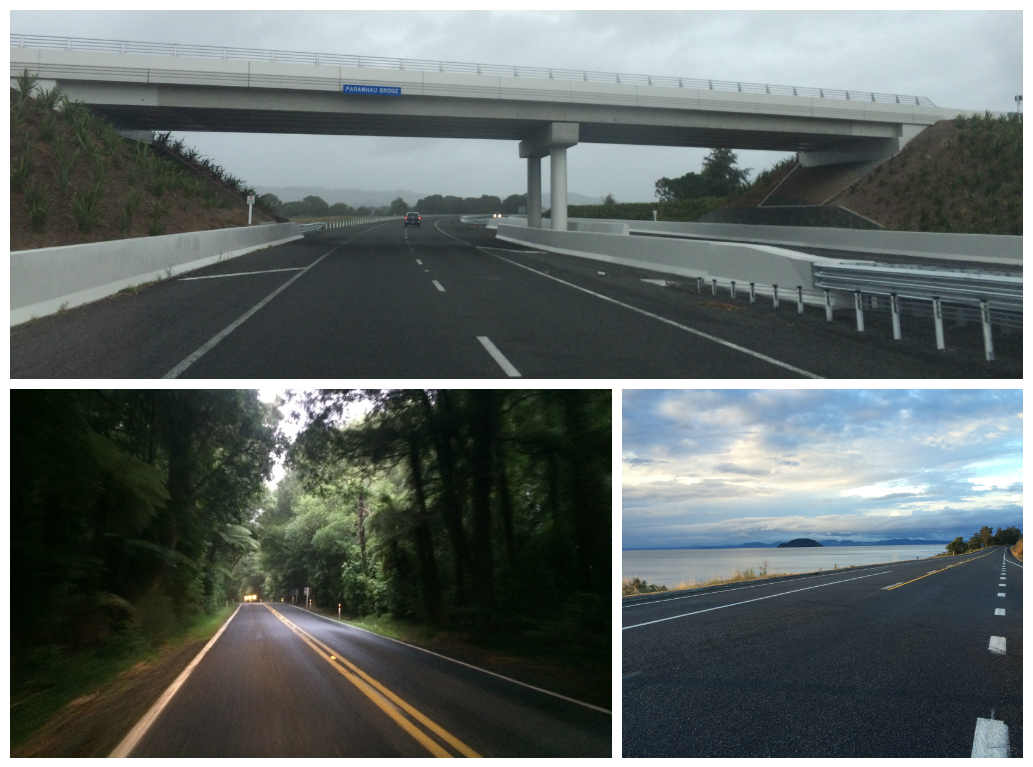
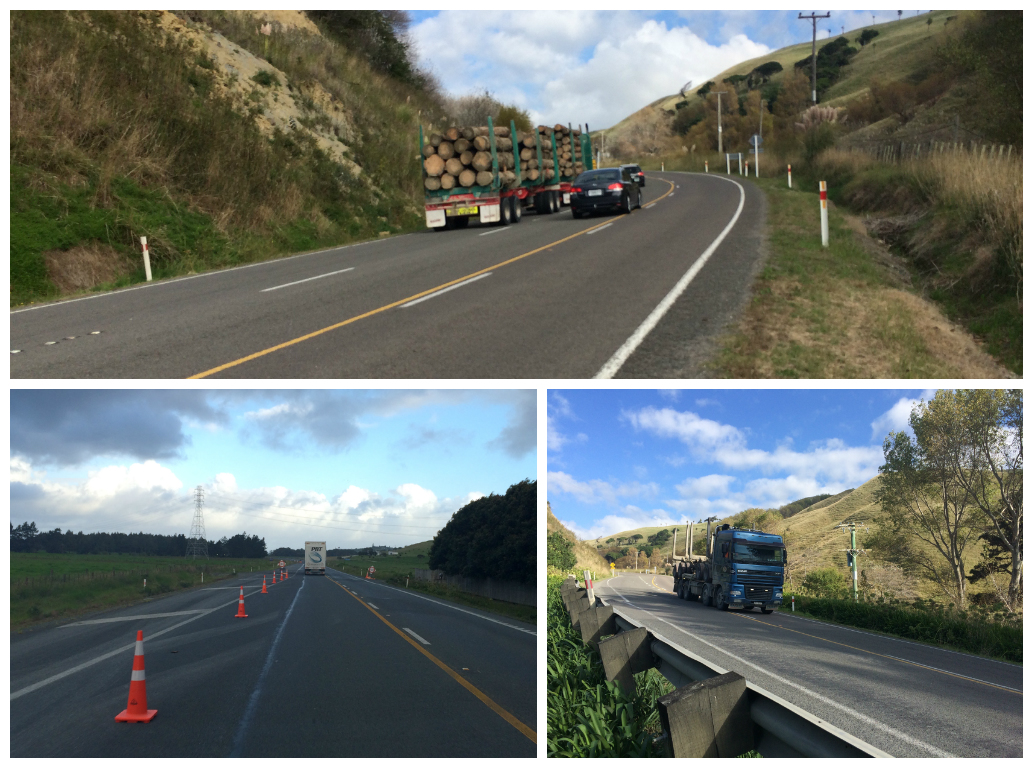
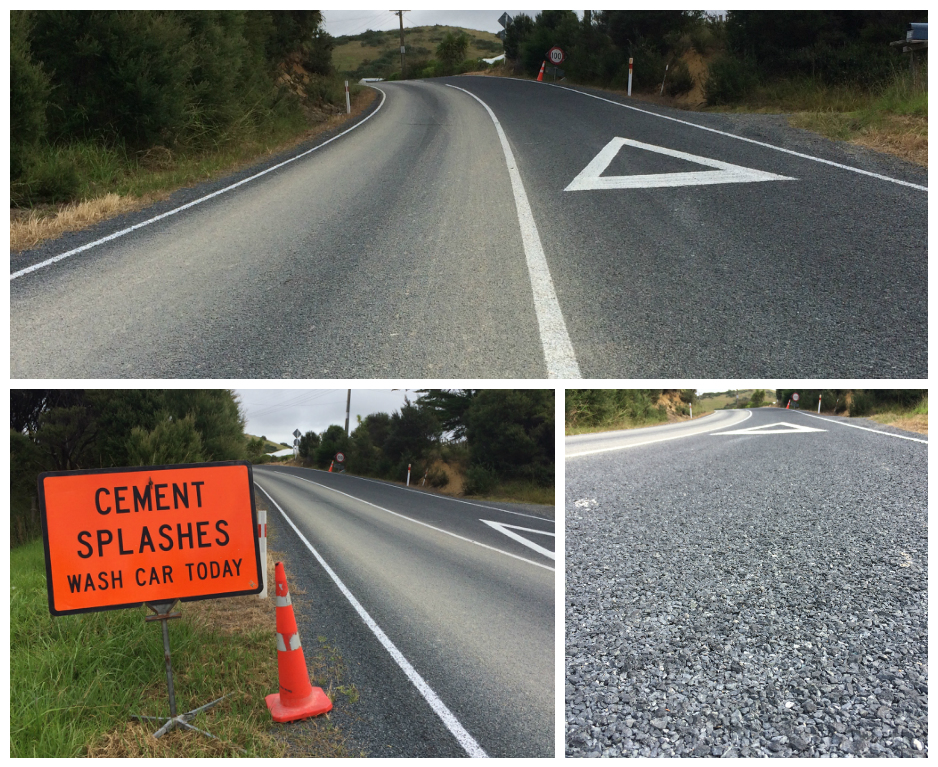
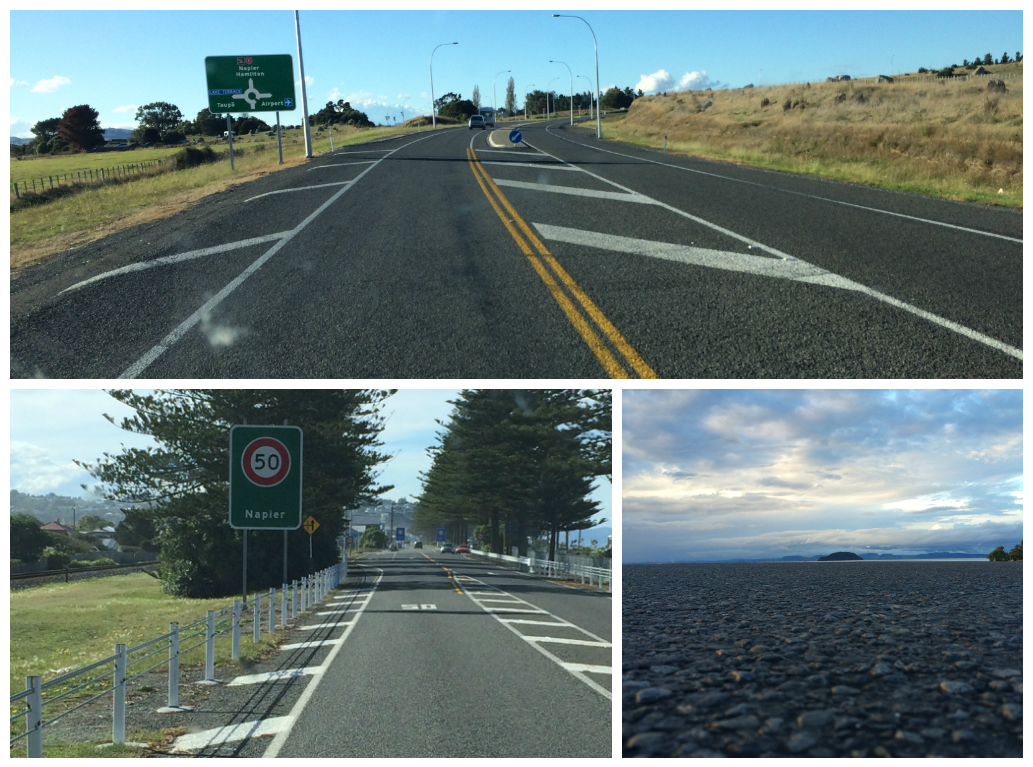
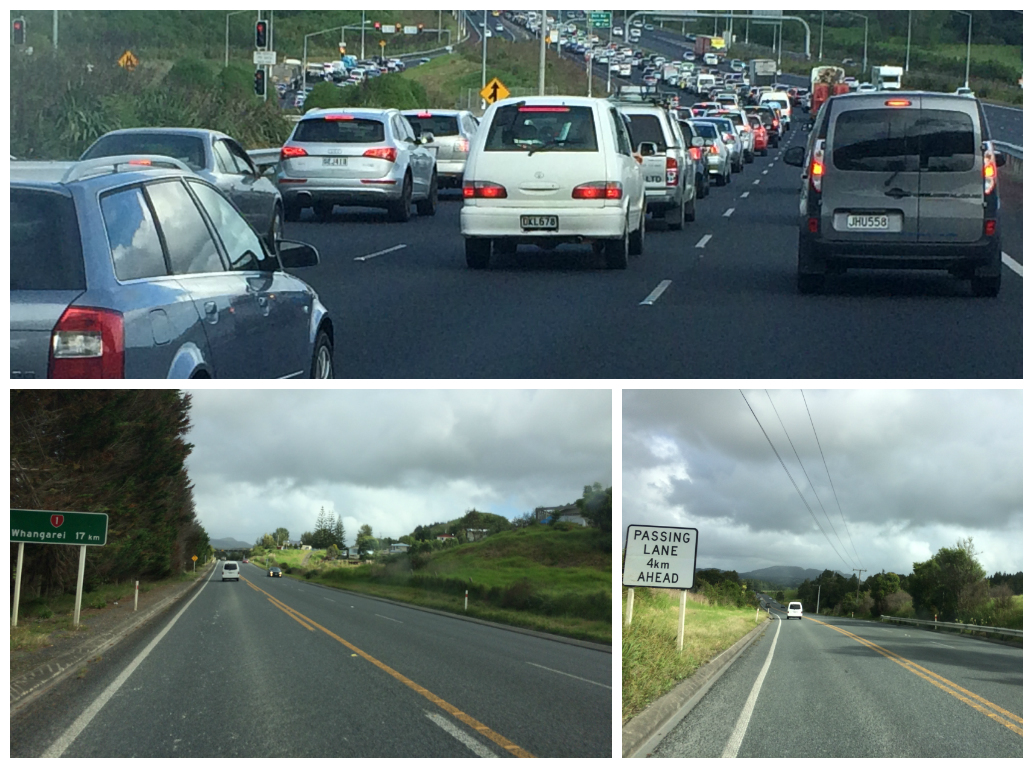
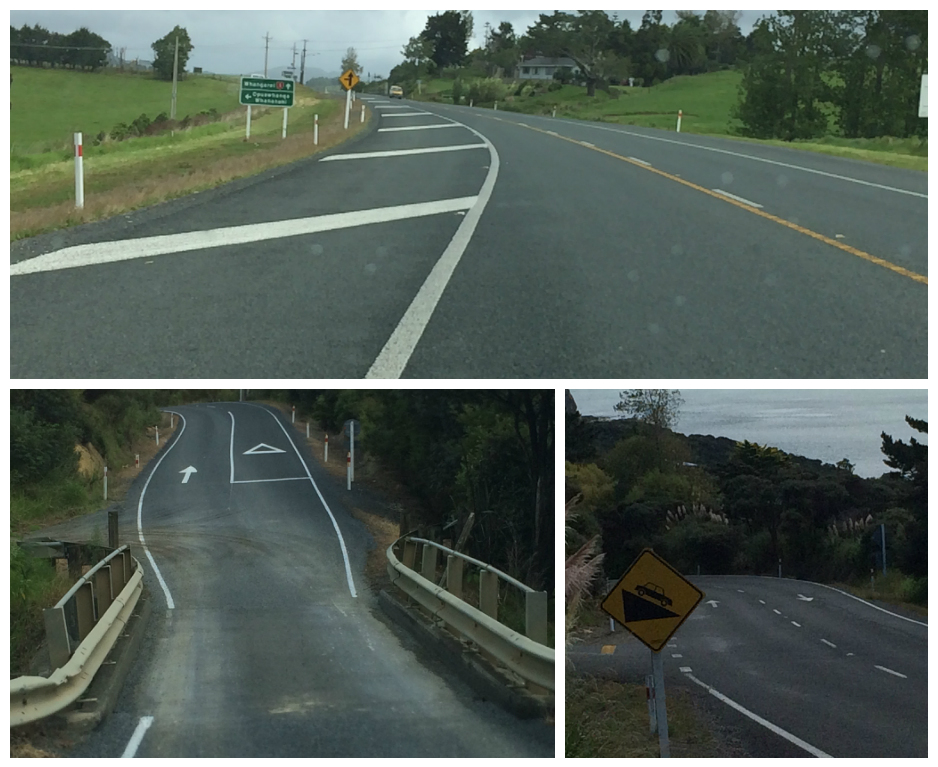
We had the pleasant opportunity to visit for 20 days, covering 2735 km of roads NEW ZEALAND and returned extremely surprised by the quality of roads in the country.
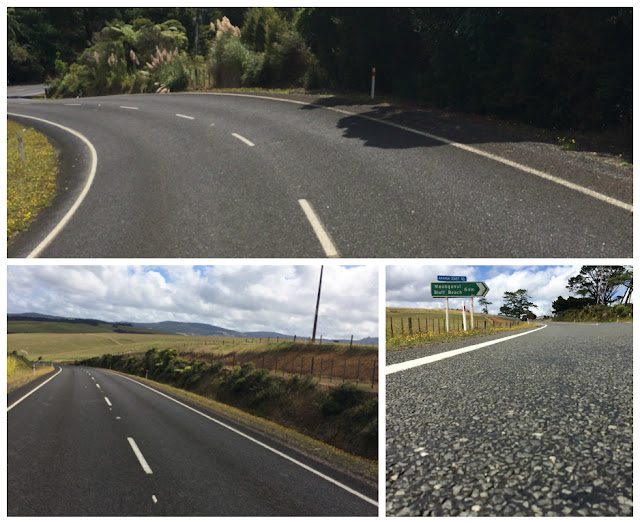
New Zealand has been successful in how to combine technologies way to get a paved road network of high quality. Let's start with comparative data with our country:
-New Zealand has 270,000 square km, 50% more than Uruguay.
-have 95,000 km of highways and roads (0.35 km / km2) of which 63,000 km are paved, 66% of the total.
-Uruguay 78,000 km road (0.44 km / km2) of which have 8000 pavings, only 10% of the total.
In other words, we have a higher density of roads per km2, but far we have long paved network as theirs.
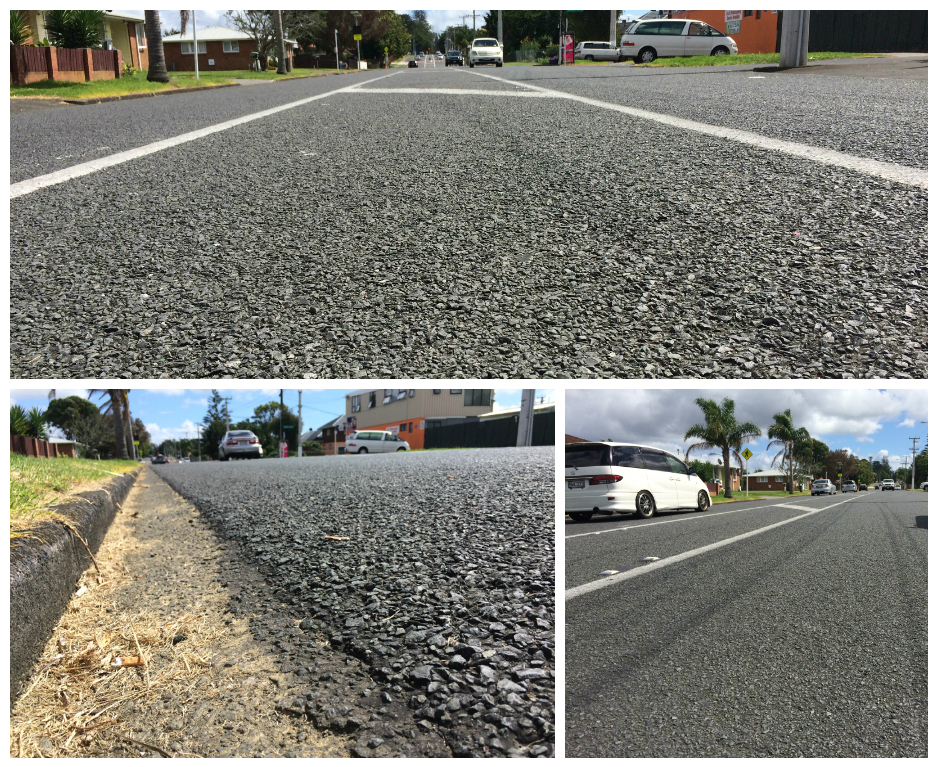
It is that in New Zealand stabilization in situ with cement, lime or asphalt, is present decades, using as surface treatments surface layer and leaving only places high demands on the use of asphalt.
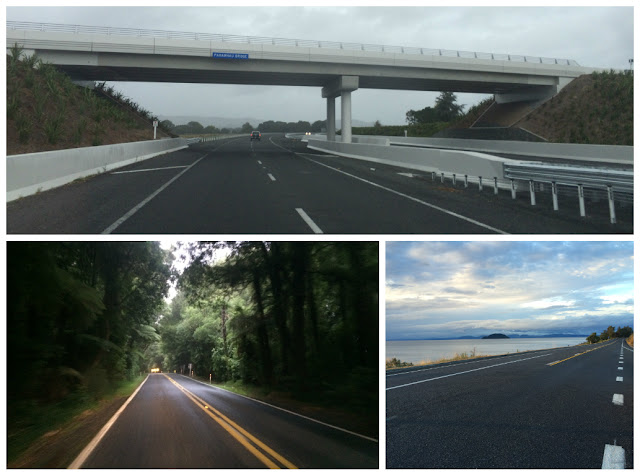
As we all know, the quality of the bases is essential, but if surface treatments are used as rolling. Conversing with them consulted engineers work, how they do it, and his answer was blunt: "It puts on a carpet and hard floor will last a lifetime, if you put on the clay have to throw very soon".
Transportation Agency's own New Zealand indicated on your website: "The surface treatment is the most common type of rolling road in New Zealand. Economic, flexible and resilient, it provides an adaptable, safe and cost efficient surface for road users. We have a regular all surfaces to ensure they will perform at maximum follow.High traffic roads resealed usually need about every seven years, while roads that carry less traffic can last 15 to 20 years before resurfacing is required. " (Source:NZ Transport Agency)

We share then as discussed with technicians work procedures used for construction of a typical road in New Zealand.
CONSTRUCTIVE PROCEDURE
The kickoff is performing test base materials, the effects deeply know what material is counted. The development laboratory formulates a stabilization project based on cement, lime or asphalt and if you have enough good granular material in the area is considered the particle size stabilization with a maximum size of 65mm and the addition of 2% of cement.
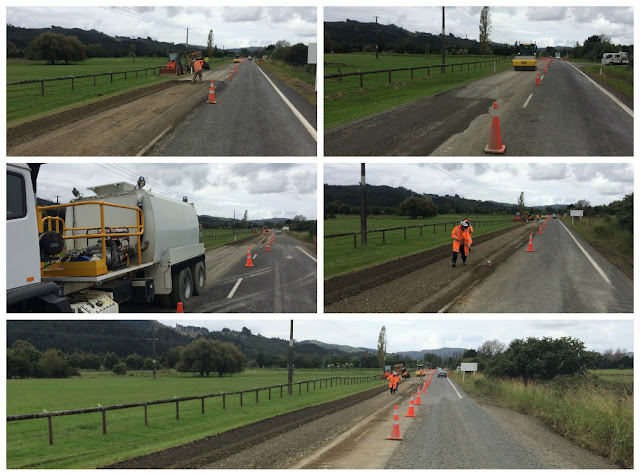
The bases are treated perfectly with suitable materials, with the necessary granulometry compacted and cleaned before waterproofing.
By having a very good base are limited to be as tread layer surface treatment with dry monogranular 6-12 mm and with the passage of time, when the treatment loses or shows a signal texture permeability, apply a second treatment with fraction 2-6 mm improving rolling and waterproofing structure again.
Then repeat the cycle with a large fine gravel 6/12 on and so on, always taking a road in perfect condition applying preventive maintenance at the optimum time.
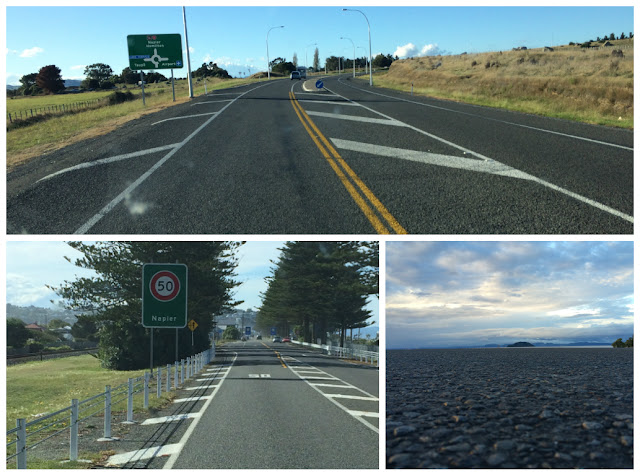
Asphaltic used folders in the inner city, joints roads, highways exit of cities and in very short stretches of mountain roads when the slopes and angles are too demanding for a surface treatment.
The guide Transportation Agency New Zealand on the selection of the suitable tread layer is in the following link: Selection Guide surface layer

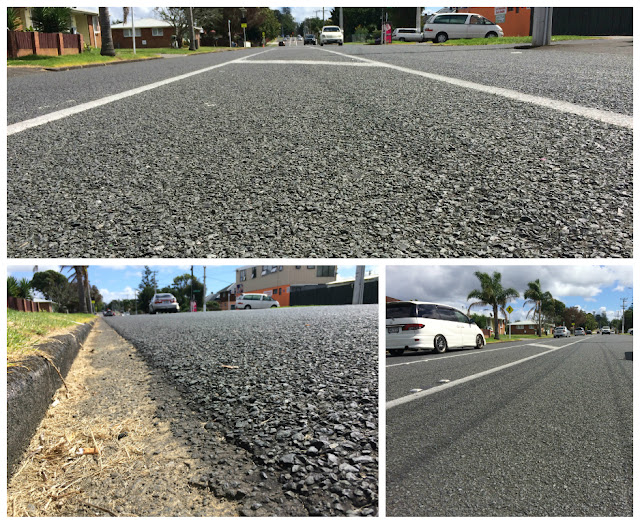
The use of surface treatments monogranular or Chiping, reaches places such as a neighborhood of the city of Auckland, and most important port in the country and the North Island as seen in the photos below city.
Our trip was not only on this visit in the month of May Bitafal group You will be participating in a two-day course on technologies Chiping in the city of Christchurch in the South Island. In addition we already have a publication of more than 500 pages of the Manual on Chipsealing in New Zealand. Interesting document available on: Chipsealing in New Zealand
To keep growing and researching, we have a long way to go.
We leave more photos in the following link
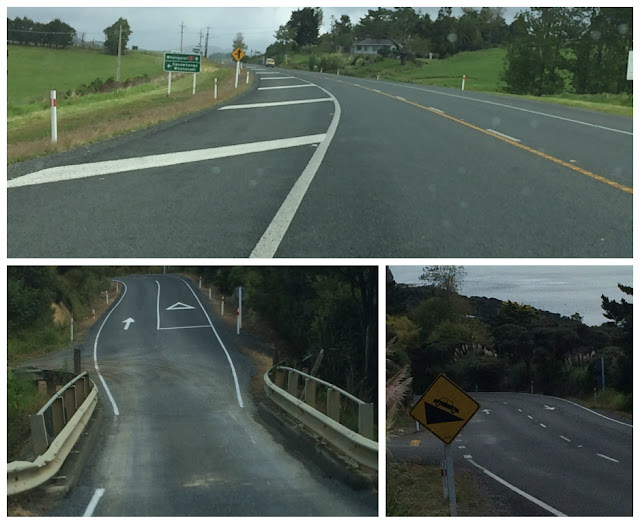
Advanced technologies: Chiping on Route 8

Advanced technologies: Chiping on Route 8

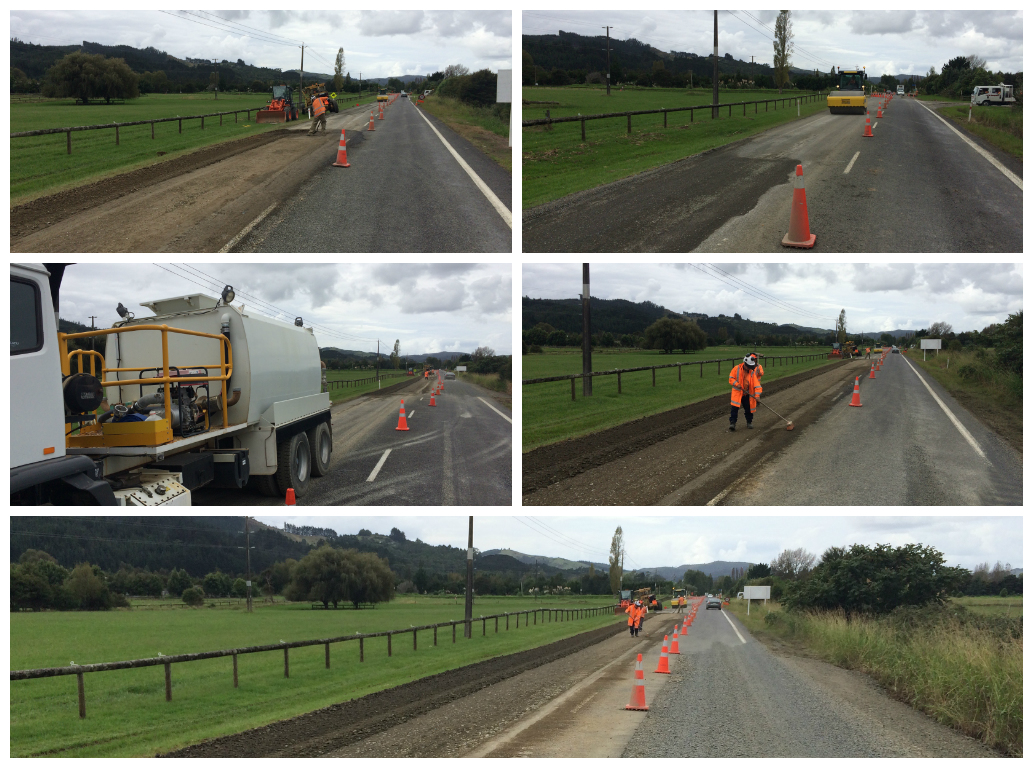
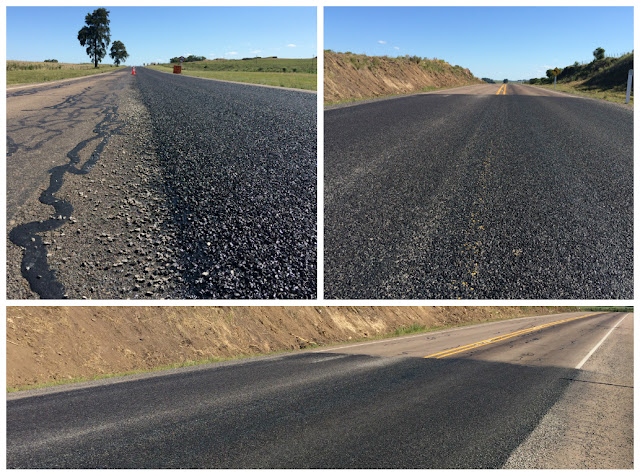
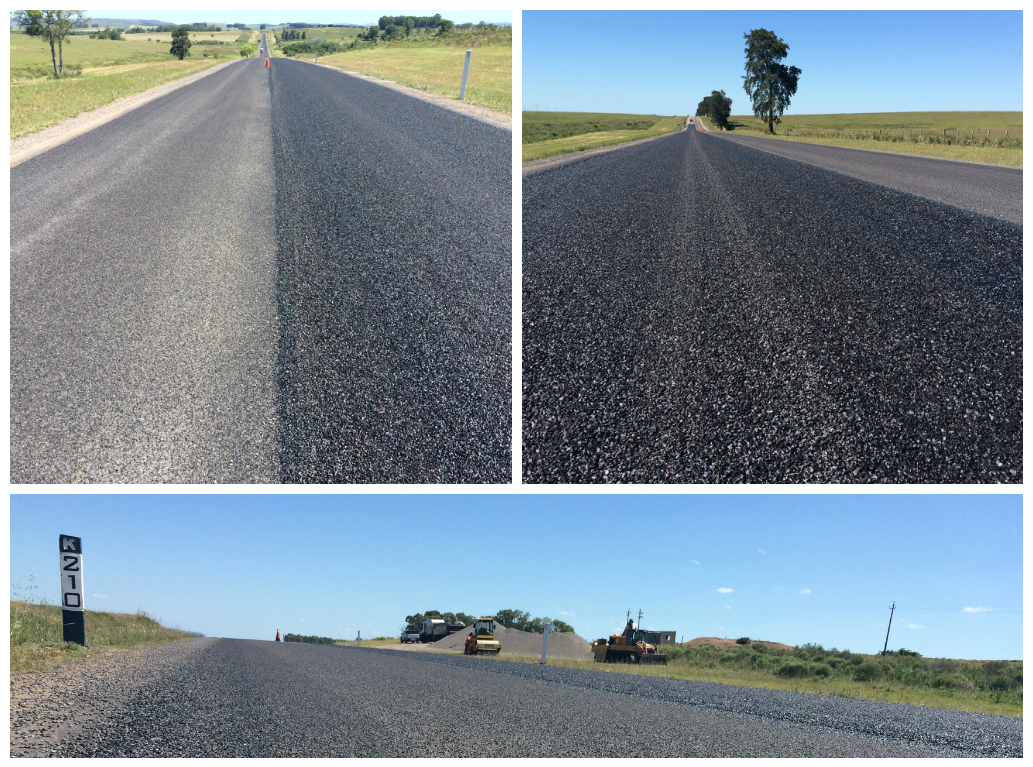
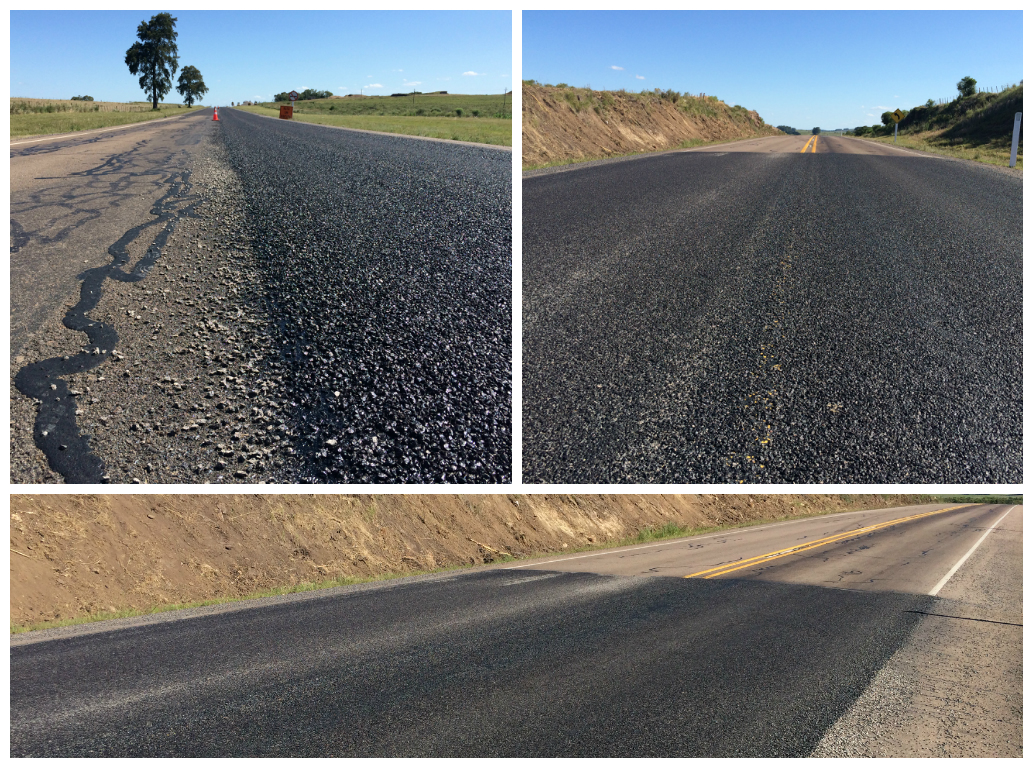
The company has relied on Serviam Bitafal Rentals to assist in the maintenance of Route 8 between Pirarajá and Aramendía through technology Chiping.
It involves the application of a simple surface treatment fog irrigation, using a highly modified with hard asphalts emulsion (Emulsion BITAFLEX IRRIGATION65 P40 D) And aggregates of excellent quality and grain size adjusted.

La condición inicial del pavimento consistía de una carpeta asfáltica fisurada pero casi sin ahuellamiento. La empresa realizó los bacheos necesarios y el sellado de fisuras y Bitafal Rentals colaboró con las modernas doble esparcidoras para lograr una buena terminación con elevados rendimientos de ejecución.
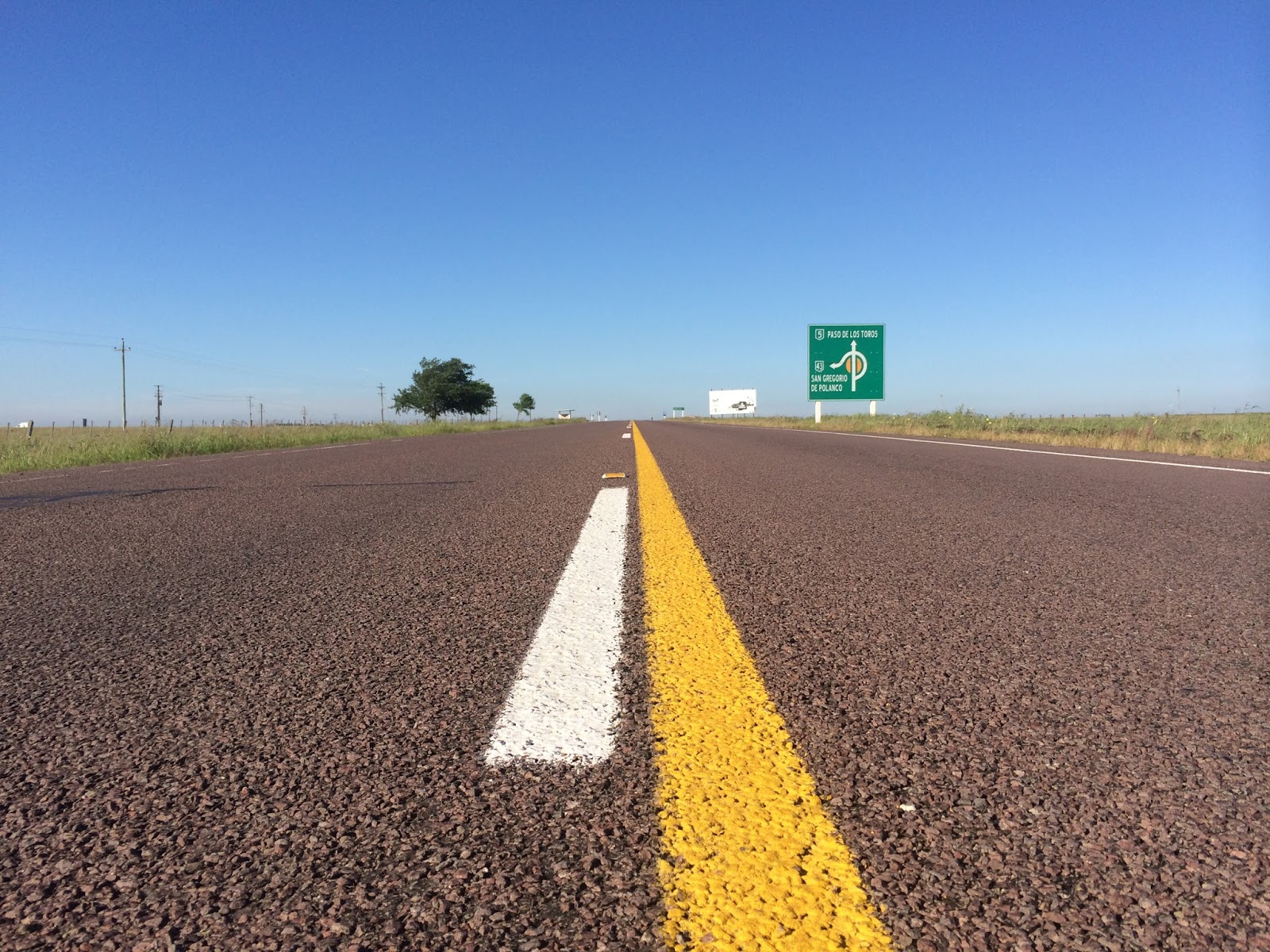
The result was a high surface macrotexture improving tire grip with the pavement and less effect "spray", combined with a total water proofing, ensuring a longer life to the pavement. Furthermore the application of a surface irrigation fog, beyond ensuring adherence of aggregates, manages to homogenize the surface to give a uniform aesthetic finish.

Combining a good job of preparing the surface, using materials of superior quality and performance with the latest equipment, we are sure it will work long service life.
Just relieve the sections of Chiping executed Ruta 5 por Necklace (San Gregorio north) in 2010, as we reported in previous editions of "Making Roads" to convince durability and excellent surface characteristics of technology.

ROADS :: :: MAKING
Bulletin No. 26 (23.11.2010)
Bulletin No. 54 (06.21.2013)

See all photos ON HERE

Modified Asphalt foam (BITAFLEX AME) for recycling cold spot | New product

Modified Asphalt foam (BITAFLEX AME) for recycling cold spot | New product

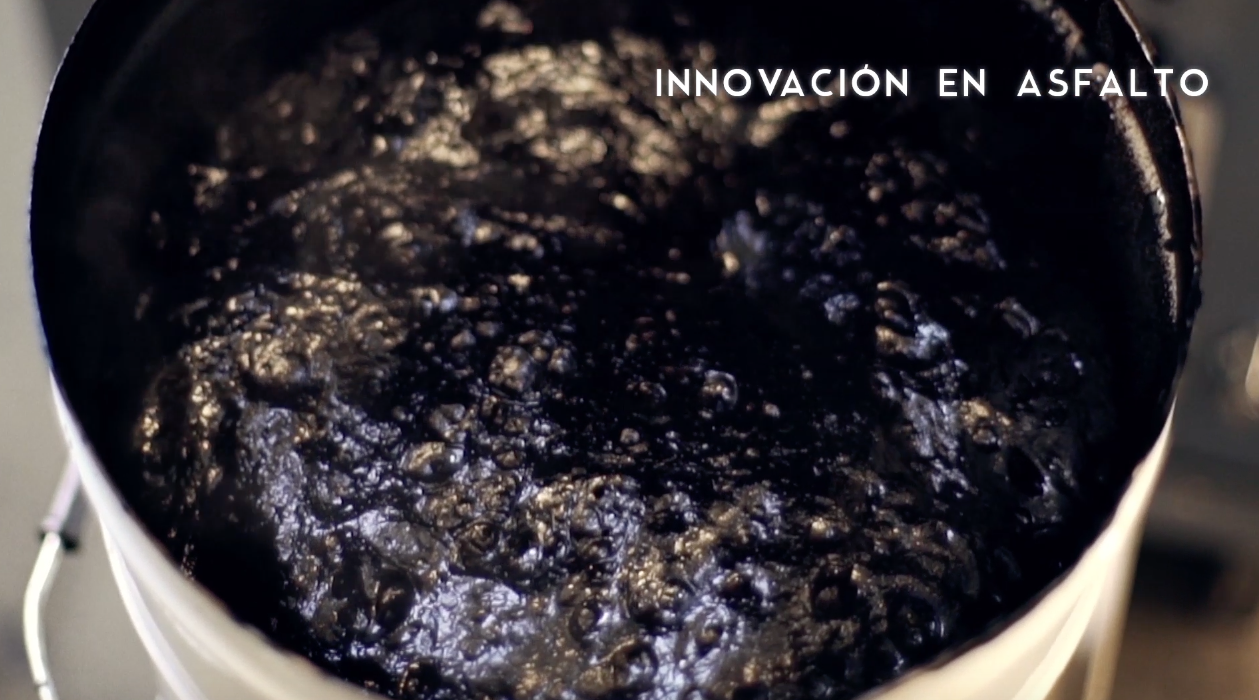
SPECIAL BITAFAL ASFALTOS It has recently added to its product line Asphalt Modified Foam (BITAFLEX AME) Seeking to improve and standardize the quality of asphalt used in cold recycling technology in situ and also to use it in cold weather increasing work performance.

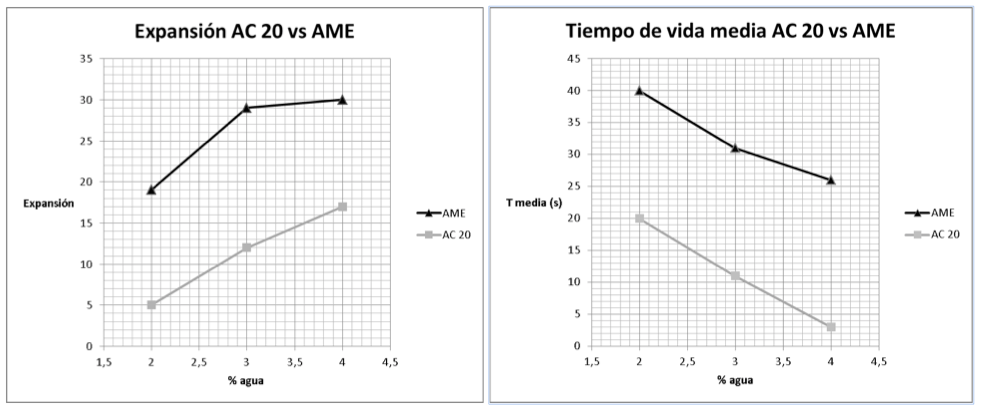
These properties are verified by foaming curves, which consist of measuring the maximum occupied by the asphaltic foam volume and time required for that volume is reduced to half. These curves characteristic parameters expansion and half-life are obtained.

In the graphs below a comparative behavior expansion and half-life shown 160C for national versus AC 20 bit FLEX AME.

AME BITAFLEX components provide a better quality foam specific surface area and duration, with a half life time expansion and more than double than conventional asphalt refinery. They ensure a decrease in surface tension with the consequent reduction in viscosity at the time of foaming.

These factors allow provide the following advantages:
* A better dispersion of the foam on aggregates favoring adhesion of the binder with the stone.
* Lower foaming temperature, saving on heating and facilitating logistics work.
* The possibility of recycling in cold weather.
* Improved mechanical properties of the processed mixtures.

We invite you to learn more about this product on our website.

We use own and third party cookies to help us optimize your visit to our website and also to improve service delivery and thus adapt to their most relevant and useful to better their experience needs. When you click OK to continue with navigation and thus confirm that you have read the information and accept the activation of cookies.

You can allow or reject use at any time can change the Configuration Options Privacy - Cookies Policy -

Privacy settings

When you visit a website, you can store or retrieve information in your browser, mainly in the form of cookies. Check your personal services cookies here.


We track anonymous user information to improve our website.
.
  • _ga
  • _gid
  • _gat

Decline all Services
Accept all Services