EFFECTS OF STABILIZED RESTRICTION ON LOSS OF FINES BY PUMPING
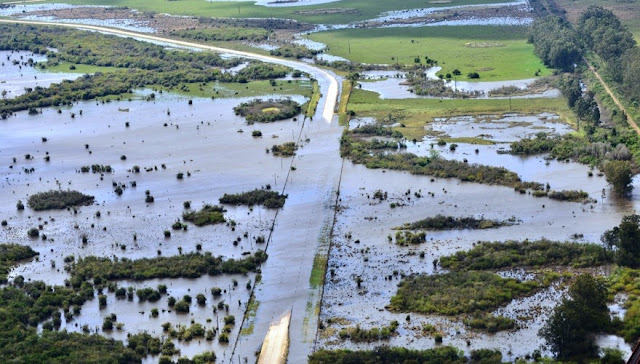
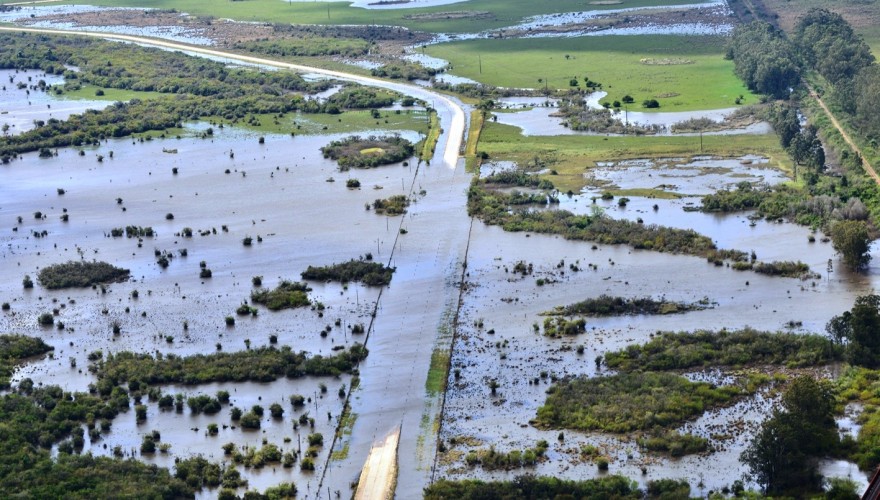
Granular basis of any type whatsoever in quality, texture or homogeneity suffer unavoidable variations in the presence of water and is the big problem with road engineering if that happens.
For this is that it gives great importance to the drainage systems in the design of routes, waterproofing the foundations built with asphaltic materials in most of the time and then expected during routine maintenance look that water does not Enter the bases.
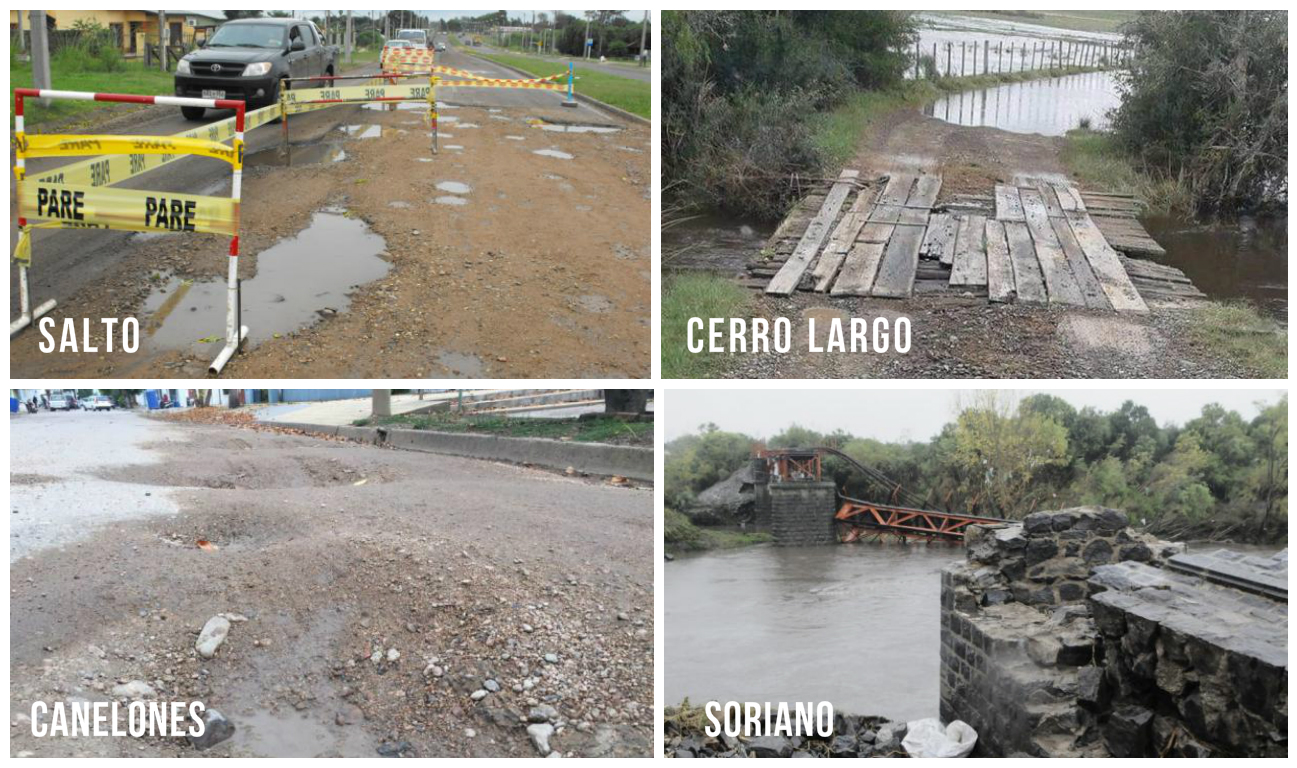
We know that there is not a virgin granular material that is not affected by water, hinchándolo in some cases or acting as a lubricant when traffic acts, pumping it from its original location causing potholes.
Stabilizing Portland cement solves the problem of pumping fine and 100% mitigates generating bumps or wells.
Vials know the virtues of Portland cement as a major stabilizer of granular materials for over 50 years, but the actual practical results were very heterogeneous, complex to implement and low yields due to such a long time between perfect mixing cement ( in concentrations as low as 3 to 4%), wetting and final compacting.
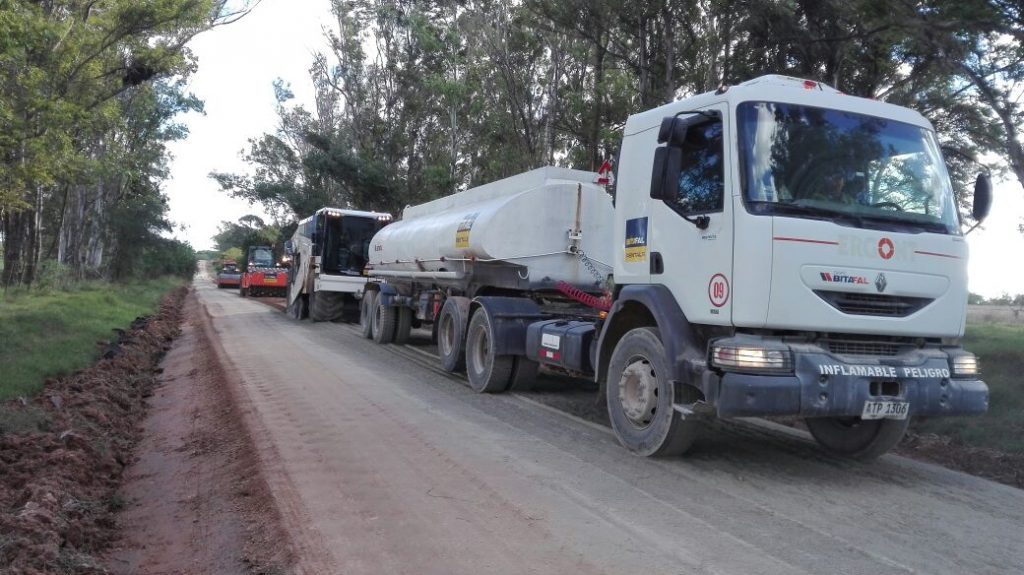
It is for this reason that the Germans begin in the 70s to design anti-roll bars atomizing water where the time between the cement is mixed with aggregates and required additional moisture occurs in less than one hour period.
Why less than an hour? ... what happens is that the cement setting begins in contact with moisture and applied in less than an hour to achieve optimum compaction density for that project.
The setting is not another chemical process and crystallization those crystals are attached form a IRREVERSIBLE network equipment and logistics execution adequate to achieve the required times are needed.
We entered 2 very important concepts such as the Crystallization and irreversibility.
This network of crystals irreversible link system while pumpable particles move or change their structure preventing premature deterioration of the pavement.
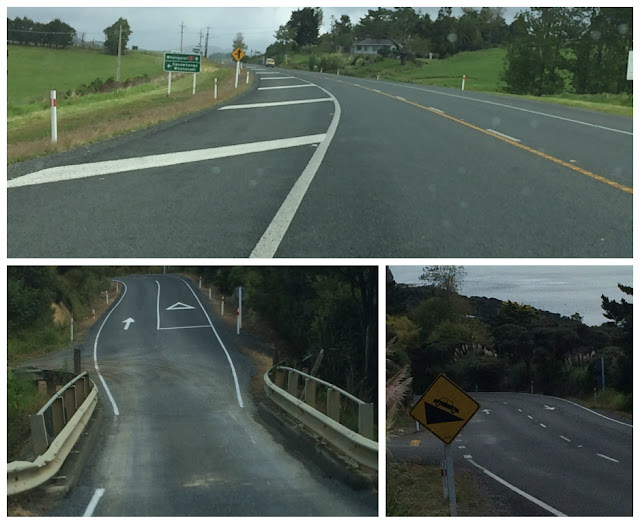
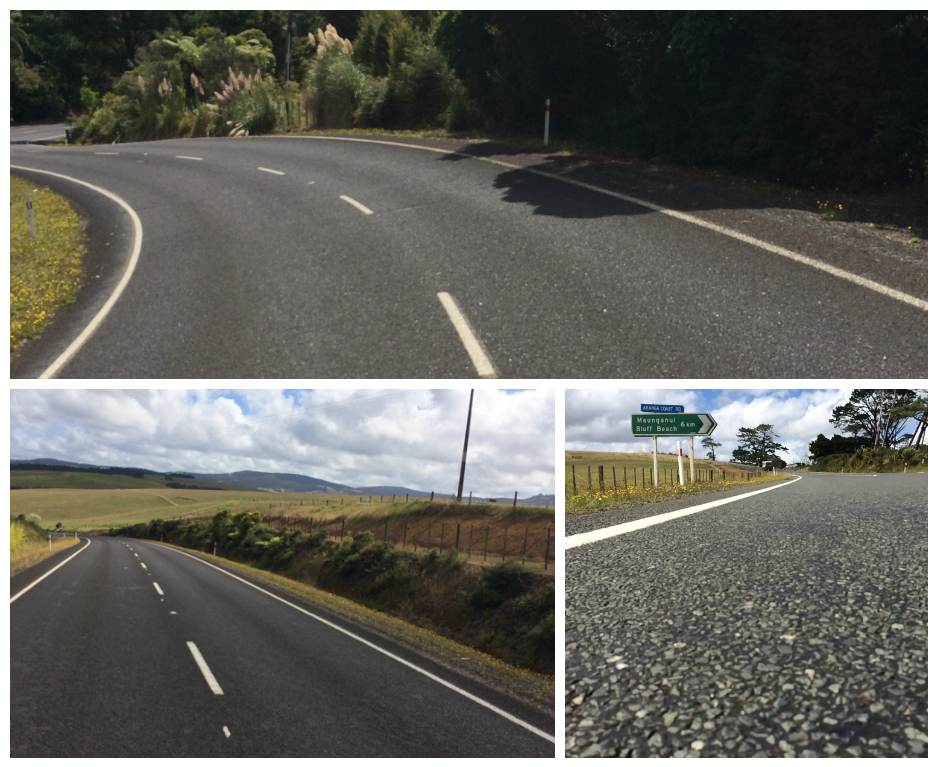
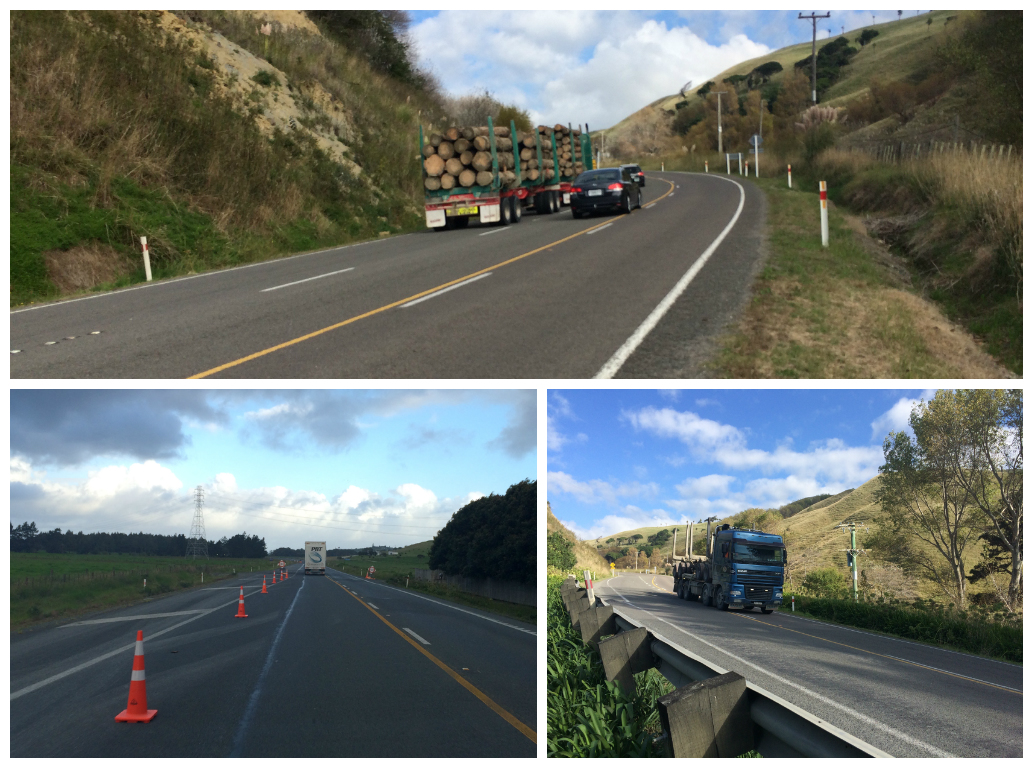
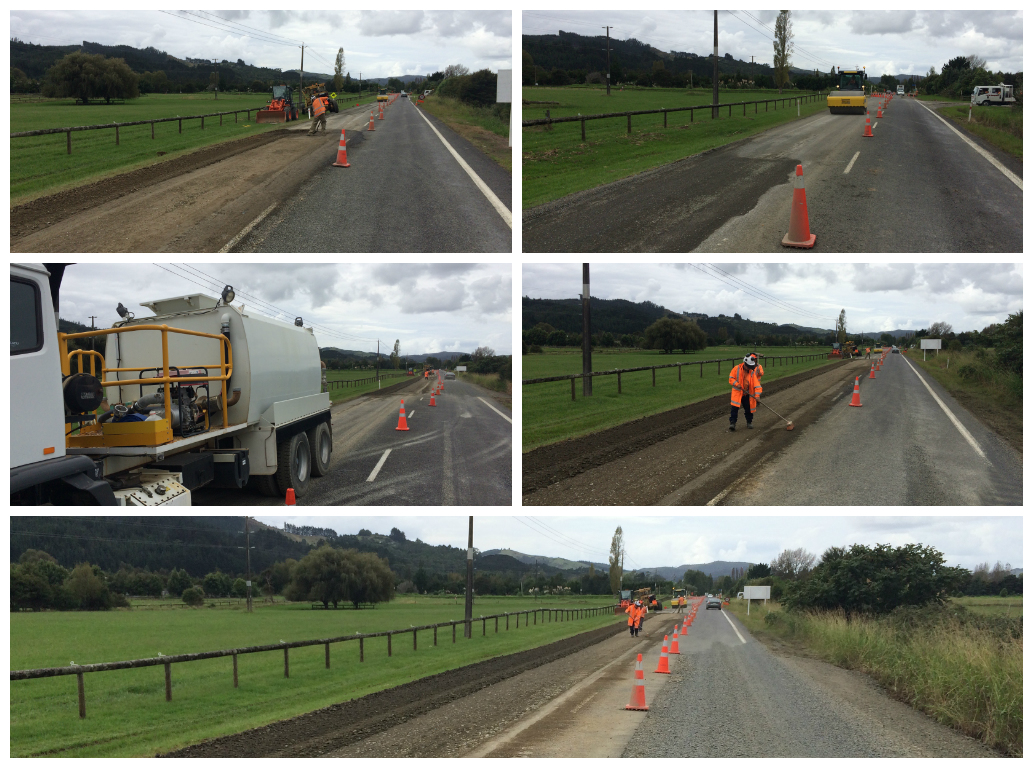
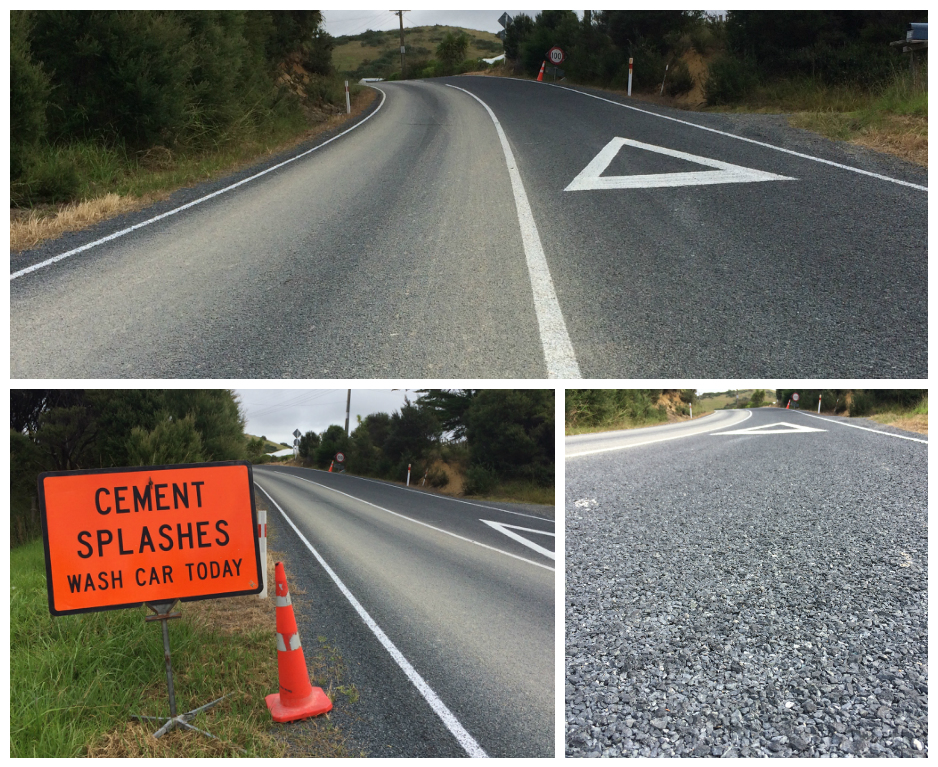
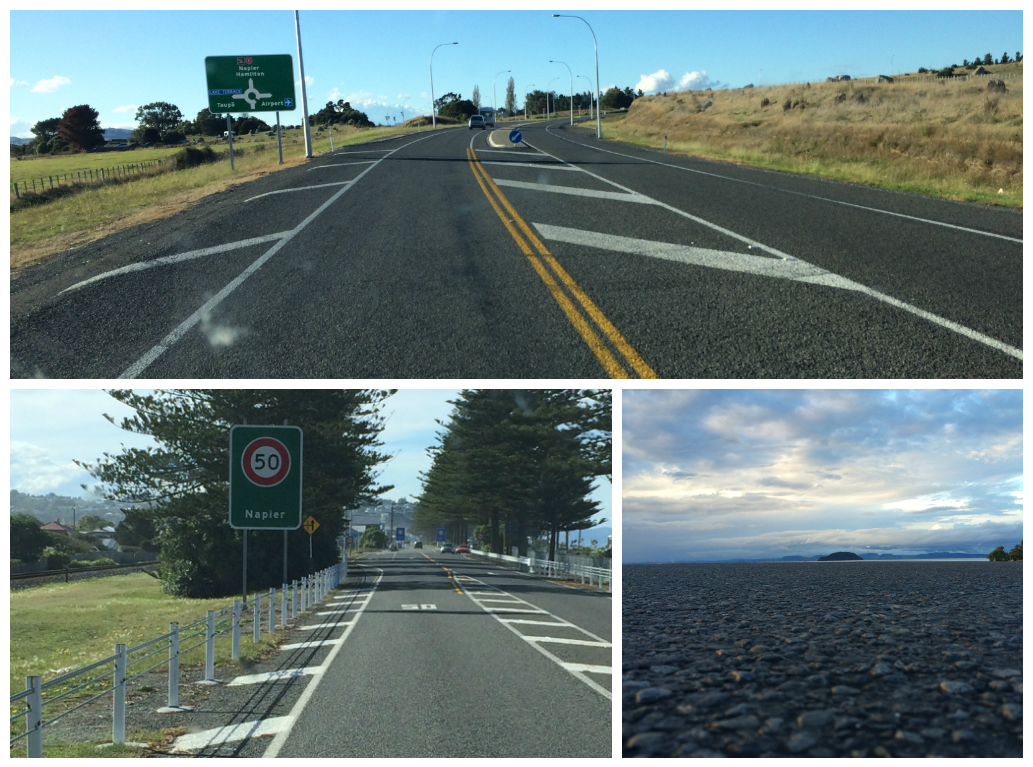
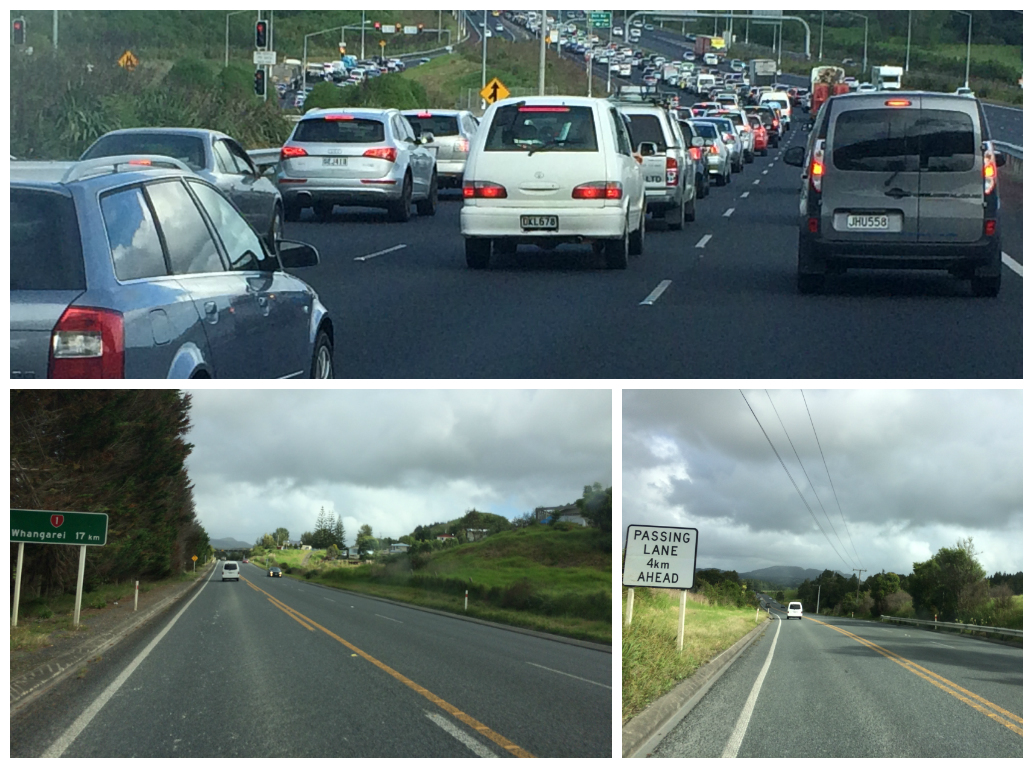
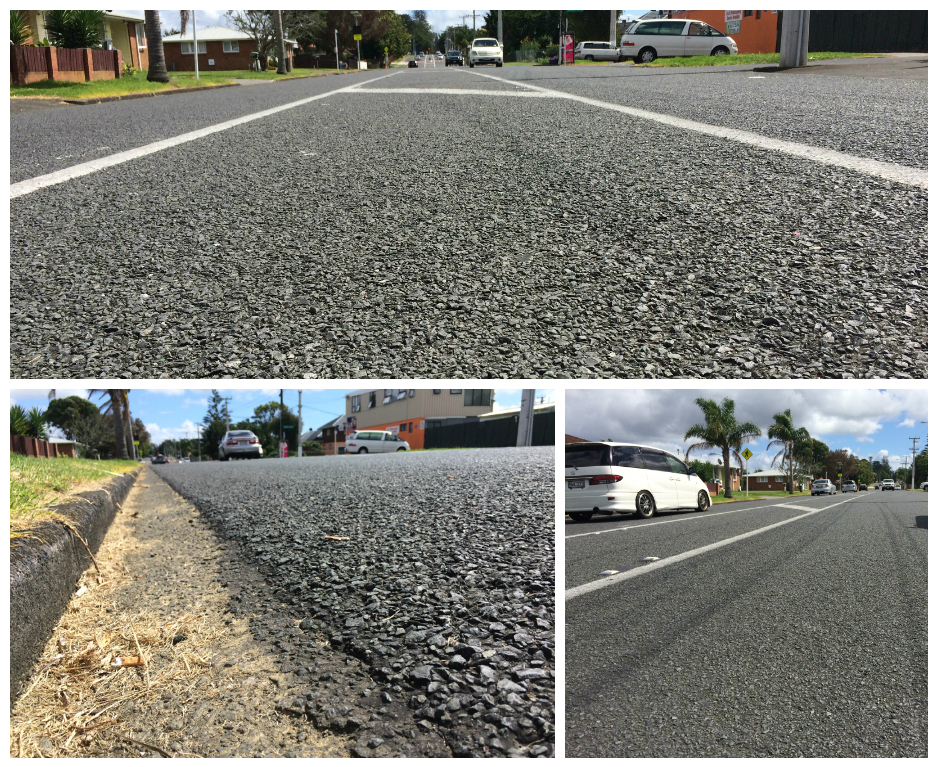
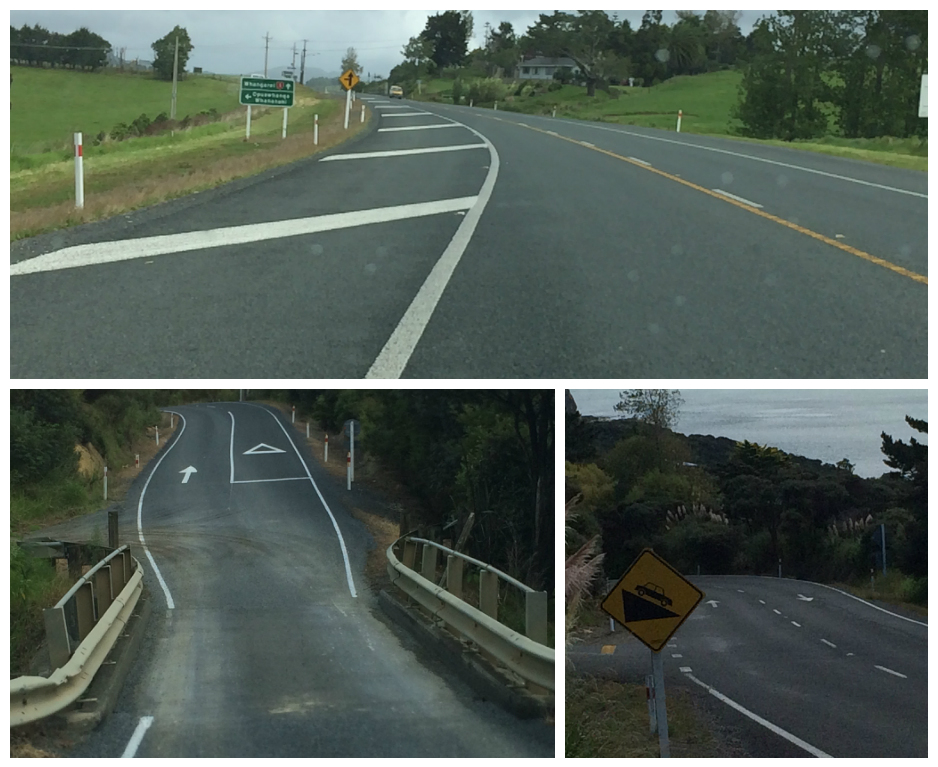
In the photograph we can observe in sections stabilized where mixing and compaction was conducted, granular materials suffer displacement action of water and traffic.
For these observations we can say that after having done a good project stabilized and have used the best equipment available, but good logistics is achieved in the implementation, we will have surface defects which the user will be perceived and which probably made the first maintenance operations.