GRAVILLADOS HOT IN WINTER

GRAVILLADOS HOT IN WINTER

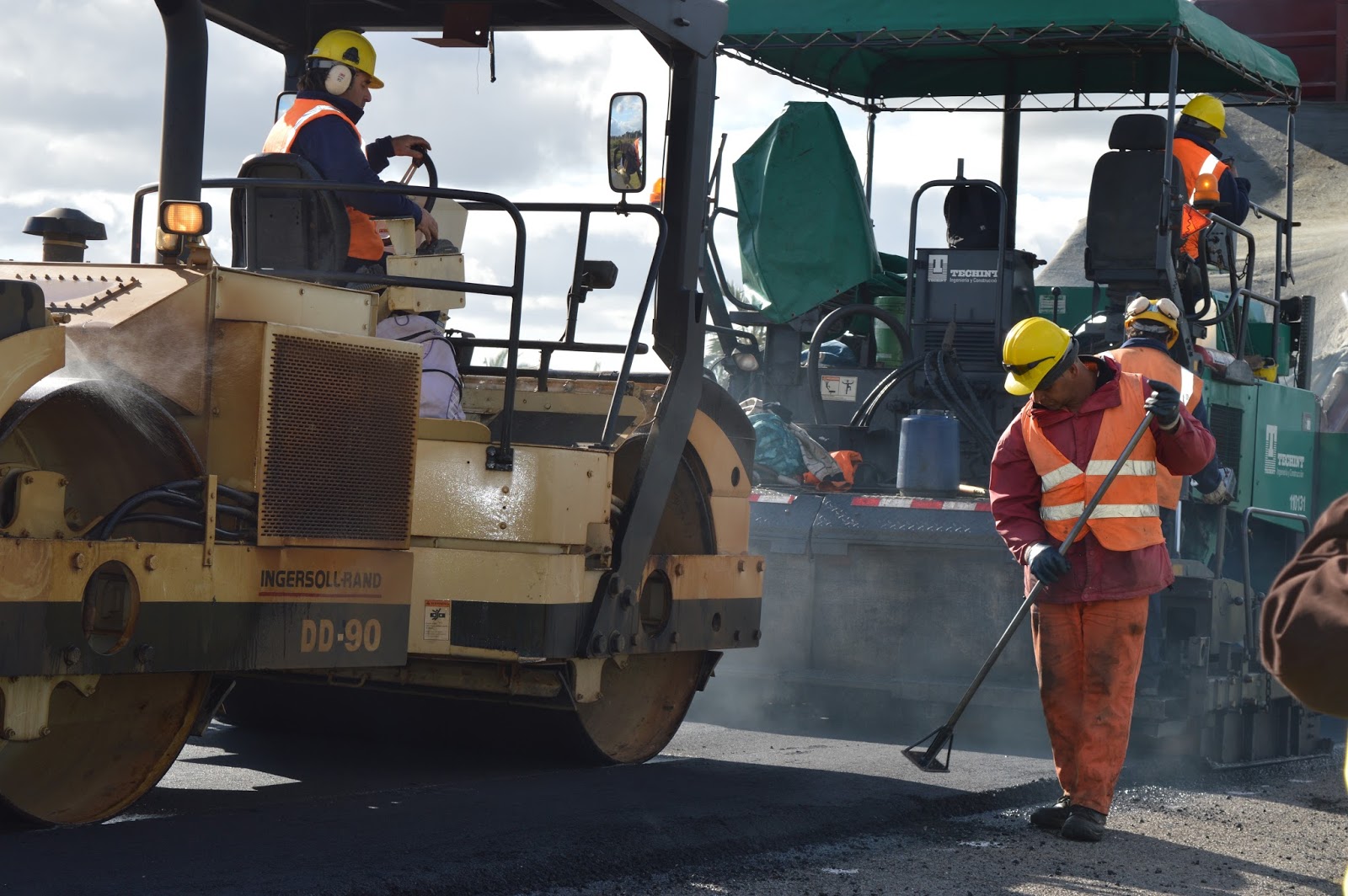
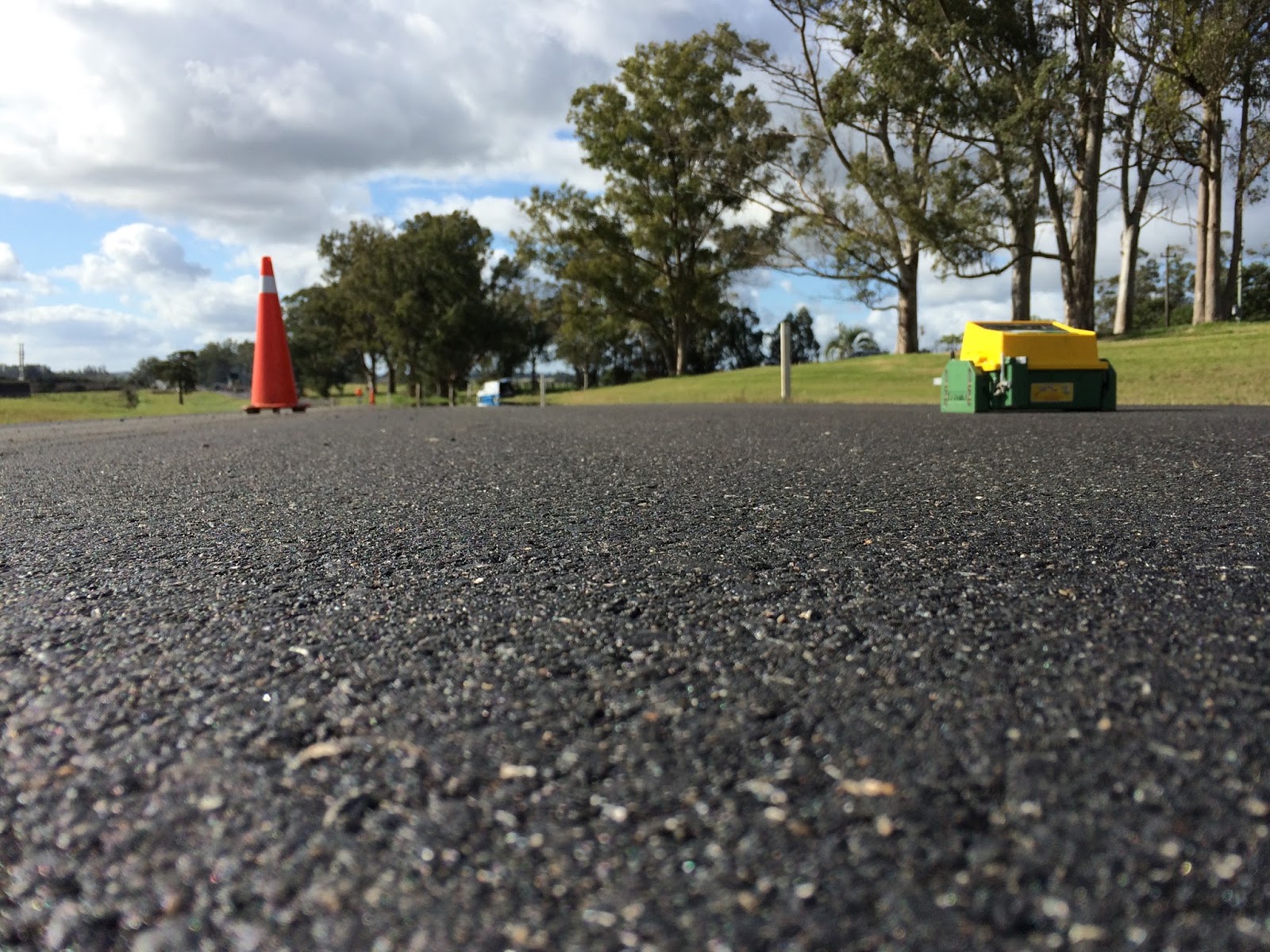
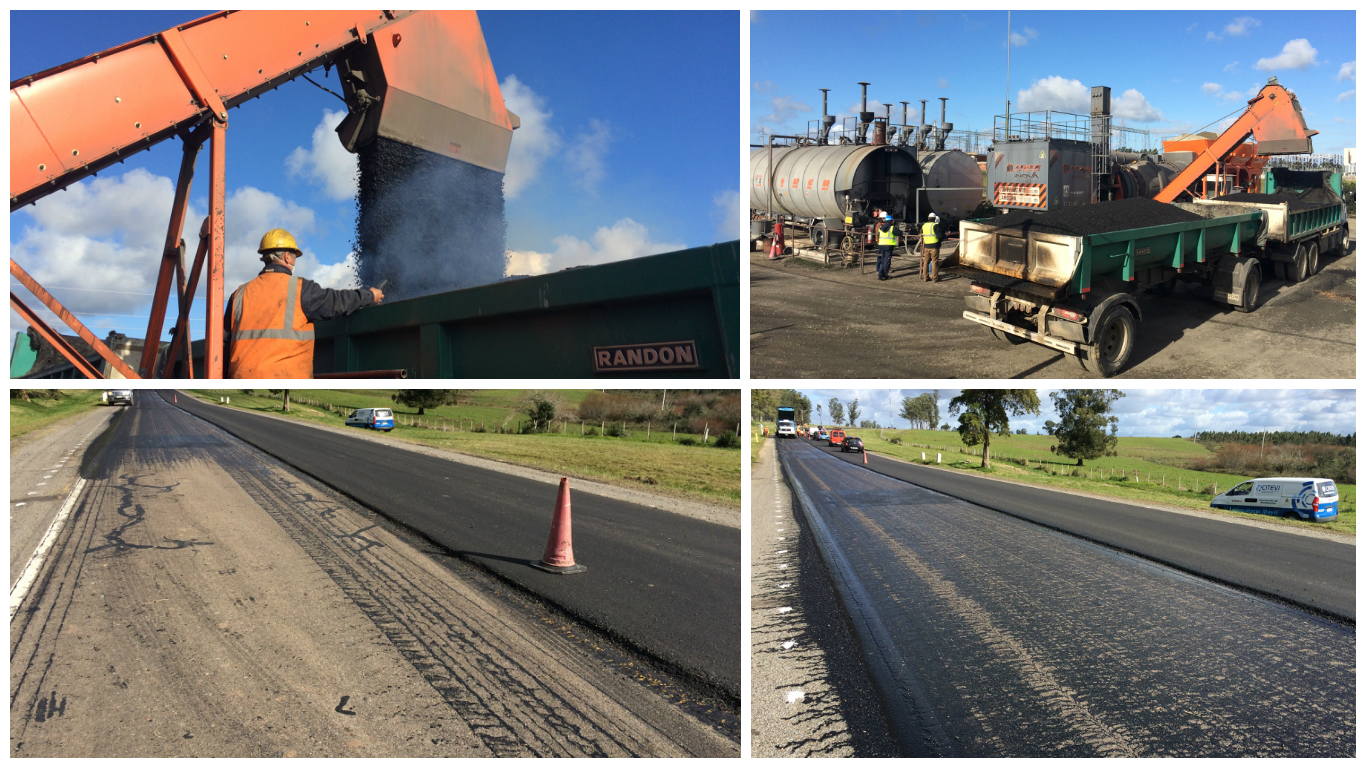
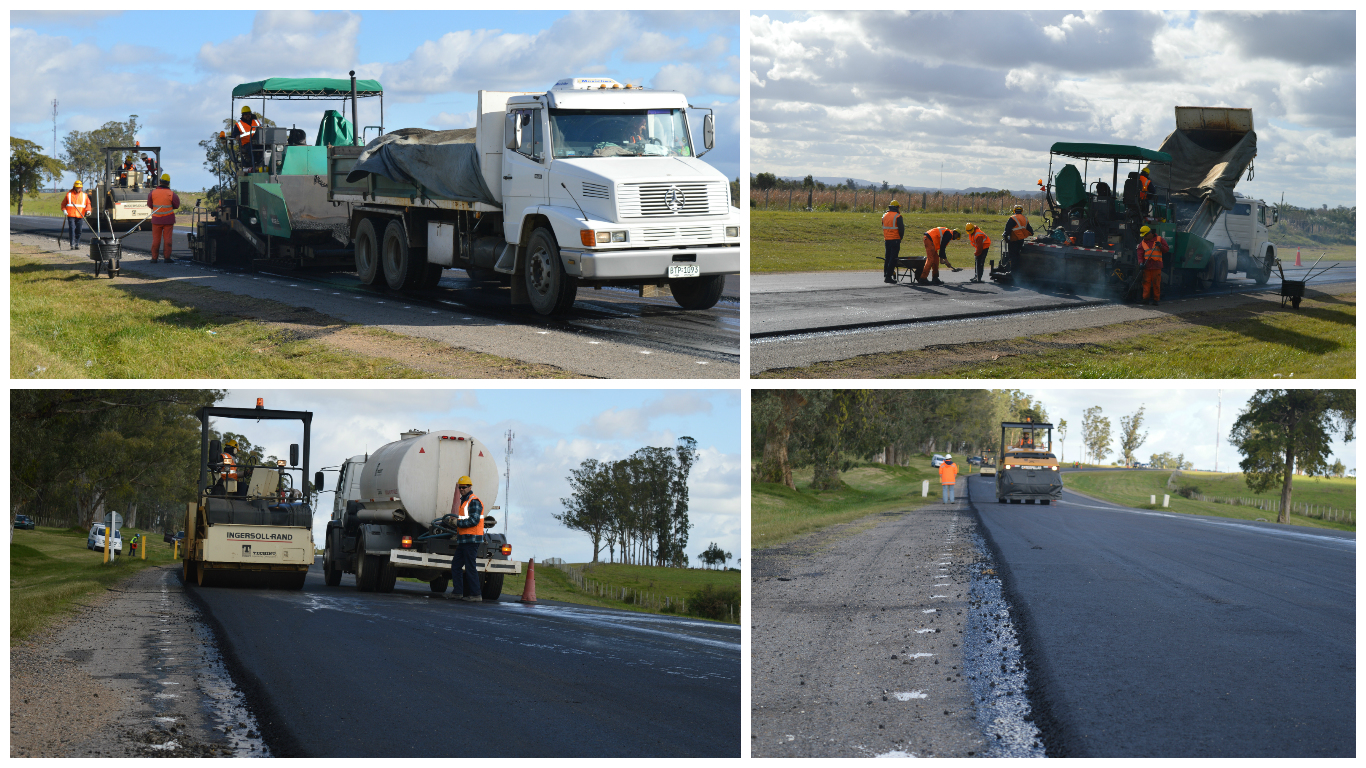
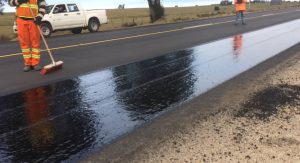
Last week with the company H & G successful tests gravillados hot in the shoulders of Route 3 were performed.

Because of the ban at this time governing a special binder it was developed to achieve full adherence of the aggregate used avoiding disadvantages of premature landslides and excess binder that can lead to exudates with the first warm days.

The developed binder BITAFLEX TERMOSEAL has various modifying additives to achieve immediate adhesion of stone (even when it contains dust) while maintaining a high viscosity to prevent exudates in warm periods.

This technology is used in Australia and New Zealand in winter periods with lower temperatures at local performing well and avoiding closures work both delay the execution of the works.
For implementing the binder is preheated and irrigated with sprinkler truck about 110 ° C noting that the range of irrigation fully open. There are no contraindications if it is cooled before the gravel is applied. In the video of the execution pe can be observed that the asphalt after application reaches 14 ° C and gravel applied almost 20 minutes after adhered smoothly.
In case of dirty stone, it must be dried by passing it through the asphalt plant until it reaches a temperature higher than 105ºC. In this way, the separation of the possible dust adhering to the stone is guaranteed (which once released, will not interfere during the irrigation as can be seen in the video). The graveling was carried out taking all the precautions corresponding to a work with hot binder and with ambient temperatures below 14 ° C. Once the binder and the gravel had been applied, it was compacted with a pneumatic compactor, making about 5 passes at 8 km / h.

The results were more than satisfactory in the first section executed, releasing the traffic immediately after compacting. To demonstrate the high adhesion between the BITAFLEX TERMOSEAL and gravel, it was circulated by the roadside traffic route without receiving any detachment. This technology can be applied even with cold gravels prewrapped with special asphalts or suitable emulsions prepared in times of good weather during the winter and apply automatic double spacing.


These tests were conducted in the presence of Ing. Jorge Galusso and MTOP assistants for the purpose of studying in situ the performance of technology.

VIDEO: https://youtu.be/WboY2CqnIKw
2nd #interCILA RETRANSMISSION IN CITEVI

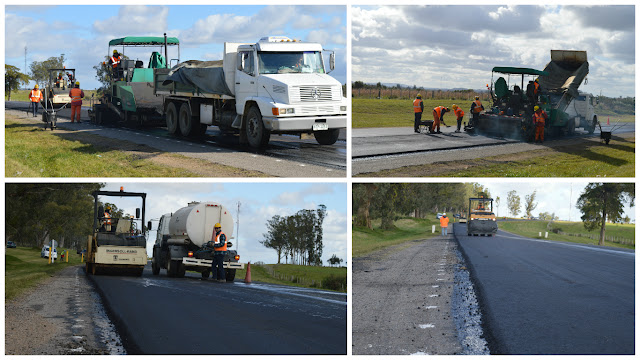
In a constant commitment to link up with the Latin American community ibero road construction, it is that Bitafal Group approached a group of classroom assistants, 2nd interCILA issued via streaming from Madrid - Spain.

Given the interest shown in Ibero-Latin American Congress of Asphalt (IBWC) held every two years, it is that this intermediate activity to follow up the same thought.


Among the actors involved is the Spanish Association of Manufacturers of Asphalt Mixtures (ASEFMA) and the Ibero-Latin American Asphalt Association (AILA) who organized the #interCILA 2.0 as a meeting on asphalt paving a fundamental support in digital technologies that allow rebroadcast live via streaming.
This time the technical institute ITAFEC It was responsible for the online completion of the 2nd #interCILA 2.0. It began with the presentation of the best technical communications XVIII CILA by Spanish engineers María del Mar Colas and José Luis Peña and ended with the audiovisual summary of the best presentations of the congress Iberolatinoamericano Reviewed by Ing. Francisco José Lucas, Dr. Adrián Nosetti Argentine engineer and Ing.Marcelo Ramirez.
With nearly 10 million impressions worldwide via twitter, a duration of approximately 5 hours, a fluid communication is maintained through social networks and can connect the activity in Madrid with various supporters through online streaming streaming . It is estimated that about 350,000 people gained access to some content on it.
They approached the Note ASEFMA with data on the number of participants, tweets most talked about and other relevant information on the interaction of users with streaming technology and via twitter.

SEVEN RECOMMENDATIONS FOR USE OF EMULSIONS IN WINTER

When they start to shorten the days and appear the first cold start problems with the use of emulsions. This situation is repeated year after year and often turns into a spiral of construction problems that last for months if the corresponding precautions are not taken.

Being a recurring theme which we have learned to solve these years, we bring our 7 recommendations regarding the selection of products and ways of implementation to work in cold weather conditions.

While asphaltic emulsions have minimal restrictions on use in winter, since moisture of the aggregate is not counterproductive, if it is imperative that the embodiment in winter is different from the traditional, to avoid problems of detachment during execution and prevent exudates which cause in the first warm days of spring and every year we complained.

Las emulsiones catiónicas cortan por desbalance de cargas eléctricas y no es selectivo de verano o invierno, así que SIEMPRE cortan. Luego del corte existen diversos procesos dentro de la emulsión como coalescencia y curado, en el cual el agua de la emulsión debe evaporar para lograr la cohesión necesaria del asfalto residual con la piedra y así evitar desprendimientos prematuros.

Said above it is evident that the moisture retained in the system due to the low evaporation during winter, the aggregate / asphalt affinity is less. Subject usually solved from the viewpoint of performance as long as the maximum temperatures are above 10 ° C, otherwise it is not advisable to use emulsions until maximal exceed that temperature.

1) IMPROVE THE RESISTANCE OF THE MATRIX OF ARIDAchieve the stone is held in place by mechanical locking means.

When working on granular bases, use a heavy cylinder for driving the aggregate in the base and thus prevent detachment traffic. These solutions have drawbacks because if the stone is not large enough gaps may be affected and when summer comes the binder has nowhere to expand and asphalt appears on the surface. But if you plan to make a second irrigation or sealed future.

* If simple treatment, can be made the same in two passes with half the components in each pass, making the initial half containing emulsion below and above and the second irrigation achieved get into the gaps of the first giving a stone matrix closed using a heavy compactor.

* In case of a double treatment, perform the two executions on the same day to achieve the same closed die from the outset.

2) START very early: You must run risks in the winter mornings, once that blunts the sun. Recall that the emulsions cut by decompensation loads and we need all available hours of evaporation.

3) terminate PAST PERFORMANCE NOON: Watering must be discontinued after noon for a time sufficient evaporation in the last application so that when night came, the system achieves sufficient to withstand uncontrolled traffic cohesion.

4) heat more EMULSIONS: Si el problema es el agua retenida en el sistema luego del corte, podemos ayudar al proceso de curado si calentamos la emulsión entre 80 y 95°C para que el agua evapore mas rápidamente. Con las actuales emulsiones de RIEGO de BITAFAL no hay inconvenientes de escurrimiento debido a las altas viscosidades de las mismas incluso a temperaturas de 95°C. Además al ser en base a agua no existen riegos de incendio o explosión como si existe con el uso de diluidos.

5) AVOID AGGREGATES DIRTY: This recommendation is for all types of surface treatment but when the weather is good, you can moisten a dirty arid for the emulsion works well. That is not the case in winter where we seek to reduce the amount of water in the middle. With a dirty arid the emulsion will only adhere to dust causing peeling even if it is fully cured. (Especially if it is very hot)

6) ENABLE TRAFFICKING AND CONTROLLED EARLY FORM: Controllably release traffic (maximum speed 30 km / h) once finished the compaction in the early hours of the afternoon. There if we need the air traffic for the purpose of purging the system drops of water released from the residual asphalt and aggregates collaborate to lock each watering done.

7) USE OF EMULSIONS SUITABLE TO SITUATION: SPECIAL BITAFAL ASFALTOS emulsions prepared with different hardnesses of the waste and with different degrees of modification. Please find attached our table recommendations by type of work to be done, the area of ​​the country and the time of year.

LIMITATIONS these recommendations:

Although it is possible to work during cold periods we not recommend performing work during the winter if:

1) highest temperatures all day do not exceed 10 ° C.

2) monogranular Treatments applied on hard surfaces such as concrete or asphalt layers and where traffic speed is greater than 75 km / h.

3) Surface treatments applied on very soft bases without adequate granulometry, as silts the coast, where a burial arid irrigation A occurs, reducing gaps and subsequent exudation.

TECHNICAL CONFERENCE Asphalt Mixtures - COARCO -

The BITAFAL Group was present at the R & D Technical Conference on new asphalt mixtures by the company COARCO from Argentina. It was held at the plant in Moreno, Province of Buenos Aires, on 25 April. Uruguay took part members of MTOP and LATU and Argentina participated leaders of National and Provincial Roads Authority, representatives from various dealers and other suppliers from the nearby shore.


During the conference the latest equipment were both laboratory mix design and workmanship, laying and compaction. mixtures of high RAP, colored mixtures, mixtures of batching and until a new asphalt scented low level of VOC emissions used were developed.

The sessions began with a visit to the company's state-of-the-art laboratory, where they have invested in high-level equipment for research and development. To list some of the equipment, they have an ignition oven to determine asphalt content, a gyratory compactor for mix design, a Wheel Tracking Test according to the new European regulations with a plate compactor, a unit to determine the dynamic modulus of mixes and a 4 point fatigue team.


Privacy Center


As for the laying and compaction equipment they have Vögele pavers and compactors next generation Hamm oscillatory system with GPS compaction optimization.

More photos HERE

Watch the Video HERE


FIRST TRANCHE OF ASPHALT RUBBER ON DOMESTIC ROUTES

FIRST TRANCHE OF ASPHALT RUBBER ON DOMESTIC ROUTES

Last Friday, June 3 the first flight of recoating was performed with BITAFLEX AMC 50, modified asphalt tire dust on Route 9 along with Techint SACI. A stretch of about 1300 m on the road more was performed, near km 202 at the entrance of the city of Rocha.

This is another milestone in the development of technology in Uruguay after the success of the first stage of testing performed in 2009 at the entrance to our industrial plant.
The BITAFAL GROUP always at the forefront of new technologies, has developed a modified crumb rubber asphalt having performance characteristics similar against permanent deformation to a AM3. To ensure the quality and homogeneity of the product, we have built a specific plant for manufacturing BITAFLEX AMC 50 mixers with high power.
Since last December governing Decree 358/2015issued by the National Directorate of Environment (MVOTMA) in which tire producers and importers must take over the management of tires once their useful life. One of the most sustainable alternatives to recycle them is the modification of asphalt.
Already there have been several advances in Uruguay, as the presentation of Management Plans (El Pais, 06/13/2016), The opening of the first floor grinding used tires
(MAKING ROADS # 73 - May 2016) And performance of the first test section (REPORT CITEVI)
This time a semi-dense mixture was made in a thin layer to surface layer (CAC S 12), the thickness of 40 mm provided. Stability values ​​and design empty% were similar to those made with AM3.
In construction, fabrication, laying and compaction of the mixture was held at the same temperatures that were being made with AM3, with the advantage of better workability in work could be seen as technical.
We will report on the performance of this segment in future editions of the newsletter.

More pictures here

New unit mobile laboratory CITEVI

As we announced in previous editions of "Making Roads" We continue to strengthen the technical and logistical capabilities of our Technologies Research Center Vials.

The addition of a new mobile laboratory allows to transport more efficiently and safely to our technical and assessment teams and pavement samples for analysis need to be transported to our laboratory in Cologne Nicolich.

It is available to our customers for the testing of density and moisture in situ by the nuclear densitometer, determining the bearing capacity of soils, bases, subgrades, etc. deflectograph by light impact and for materials characterization tests.

More information: citevi@citevi.com.uy
BAUMA 2016 - Impact trip to Germany

BAUMA 2016 - Impact trip to Germany

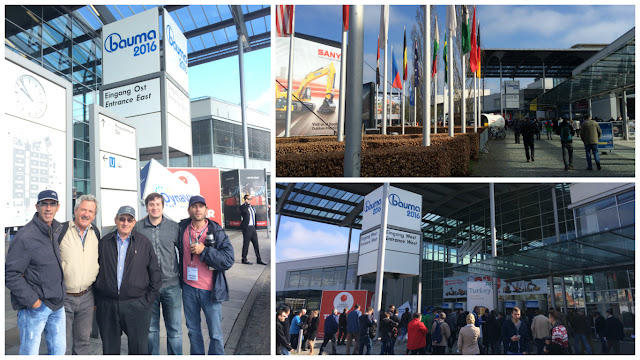
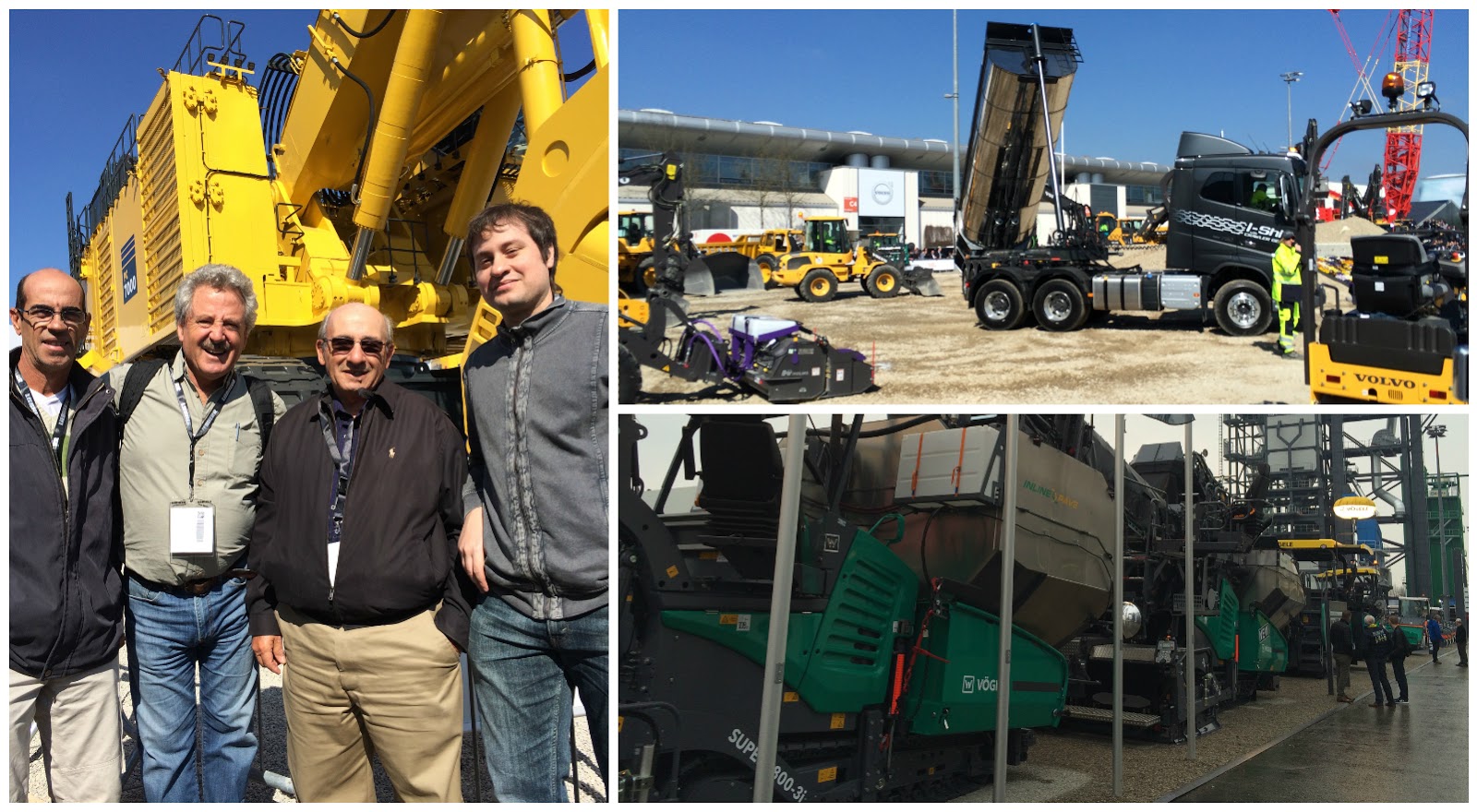
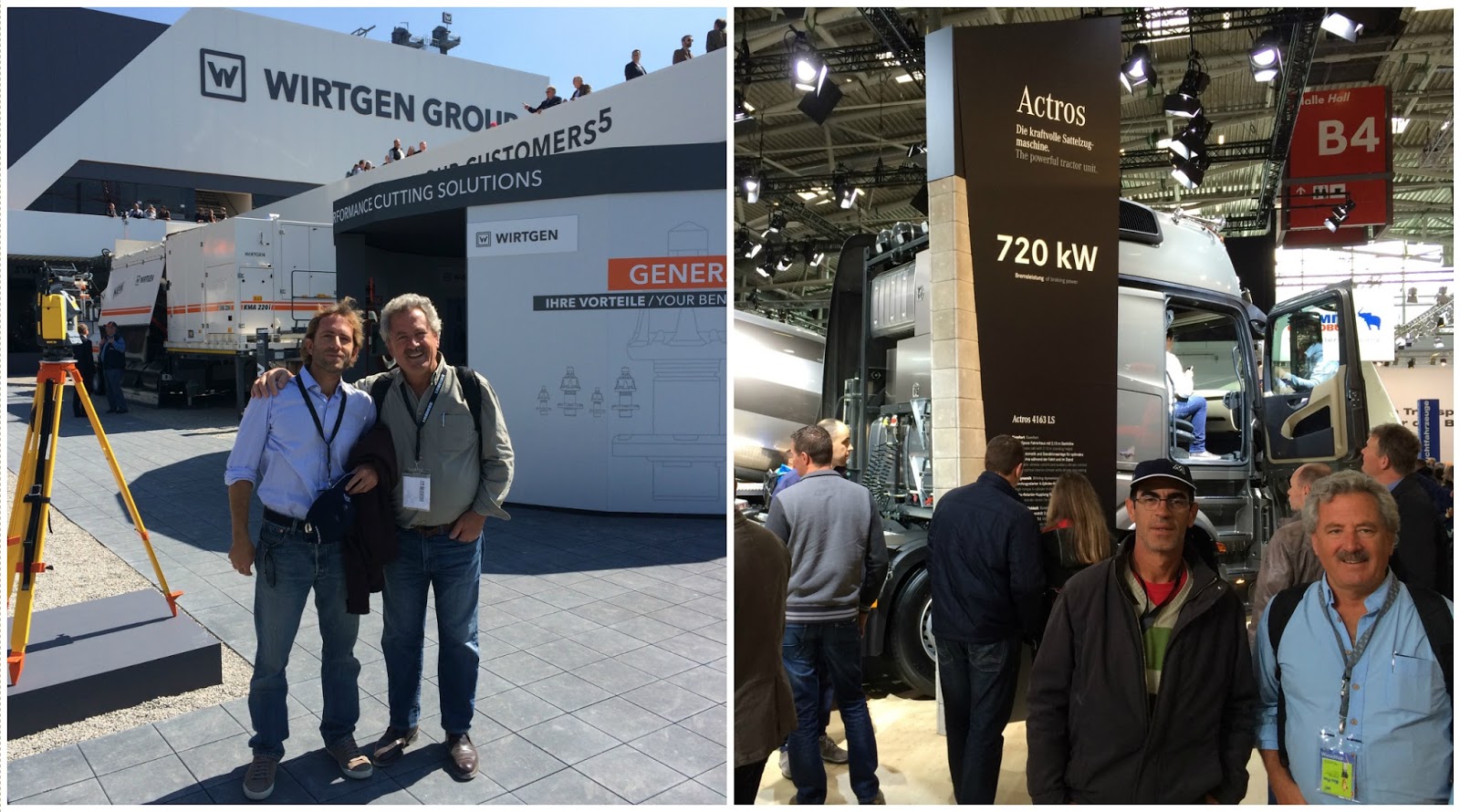
The Bitafal Group was present within the 580,000 visitors from 200 countries visited Munich between 11 and 17 April to participate in BAUMA 2016 Fair construction equipment and the world's largest mining.


A total of 3,423 exhibitors - 1,263 in Germany and 2,160 abroad - from 58 countries presented their products, developments and innovations in 605,000 square meters of exhibition space.

Of Uruguay were present various companies road category as H & G, Grinor, Incoci, Impact, Maqvial, Tradinter and Bromberg.

The main highlights of the show were the dimensions of the same and particularly the stands Liebherr and Wirtgen, the presence of the vast majority of companies in machinery construction world and the many people who, despite the rain a few days, he toured the fair.

The next Bauma will be in April 2019, involving recommend it because it is really interesting.
Do not miss it!

See all PHOTOS HERE
BAUMA in 5 Minutes: Official Video
the first tire recycling plant is disused Opens - GreenUr

the first tire recycling plant is disused Opens - GreenUr

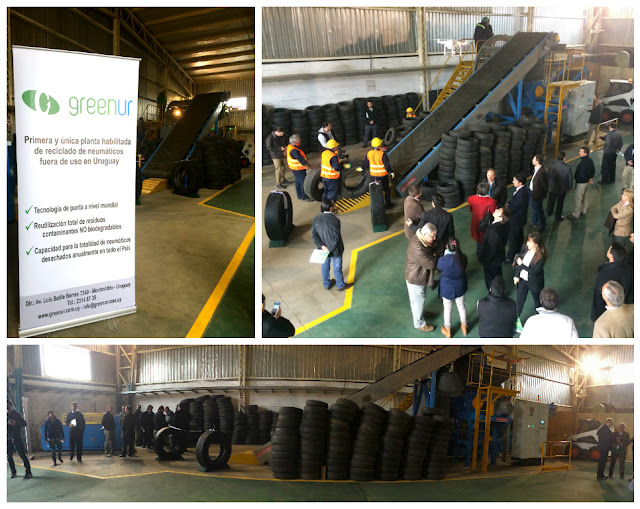
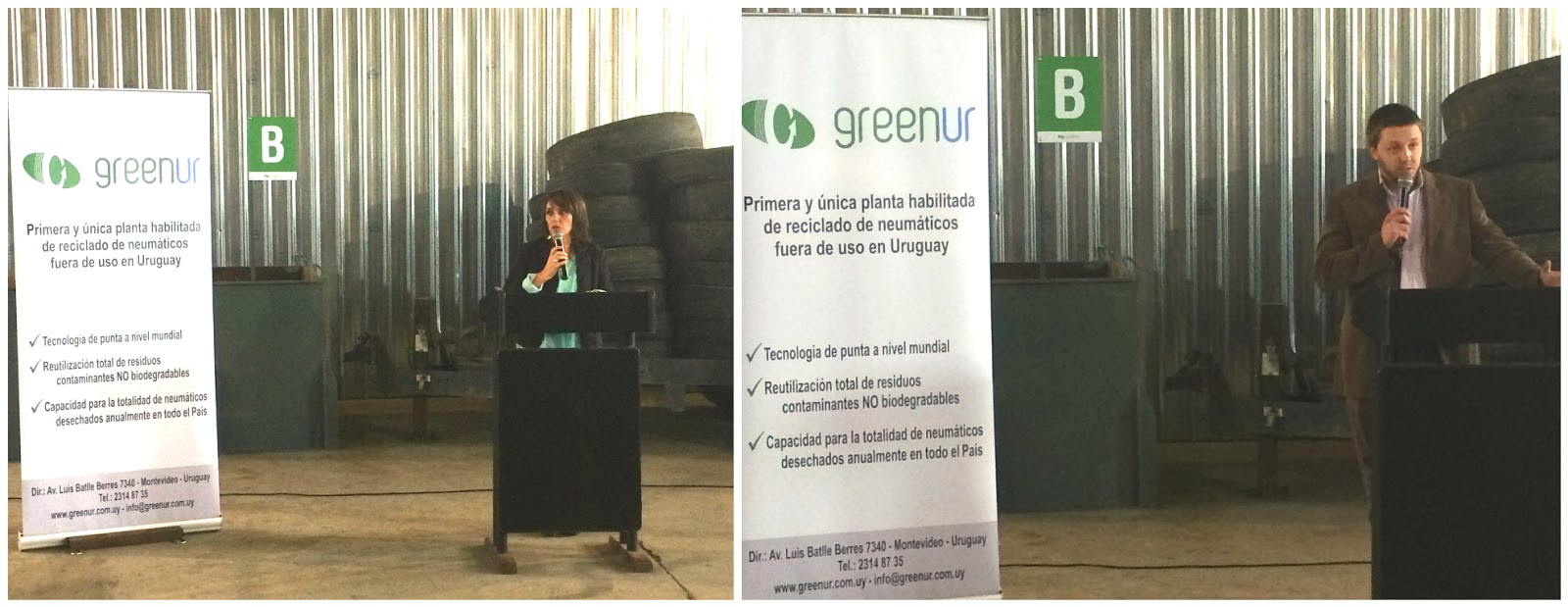
Thursday 5 May, the first and only authorized recycling used tires in Uruguay plant opened, GreenUr.The plant is key to advancing the implementation of Decree 358/15 on Management of tires out of use for what is working with importers, traders tires as part of their management plans and DINAMA regarding authority (Source El Observador, 05/15/16)


Bitafal Group since we collaborated in sharing knowledge about the use of crumb rubber in asphalt modification, both in the technical specifications of the powder and the advantages that it confers on asphalts.

We are currently working on the realization of a stretch on a national route BITAFLEX AMC 50 to verify the technical and economic advantages that the use of this technology provides.

The recycling plant is in a first stage of chopped "thick" (5 x 5 cm approximately) and can process up to four tons of tires per hour. This coarse material is easier and cheaper to carry and has good conditions for use as fuel in cement or as a first step in a process of grinding crumb rubber.

Is expected to end of the year comes another batch of crushing equipment to achieve reach the required particle size for use in modifying asphalts.The plant capacity expected to reach two million tires per year, which would consume the tires entering the country and slowly consume the existing environmental liabilities.

See all PHOTOS HERE

Reflections on state of emergency of national roads

Reflections on state of emergency of national roads

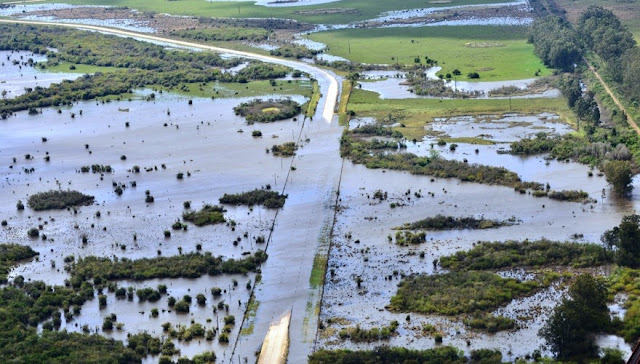
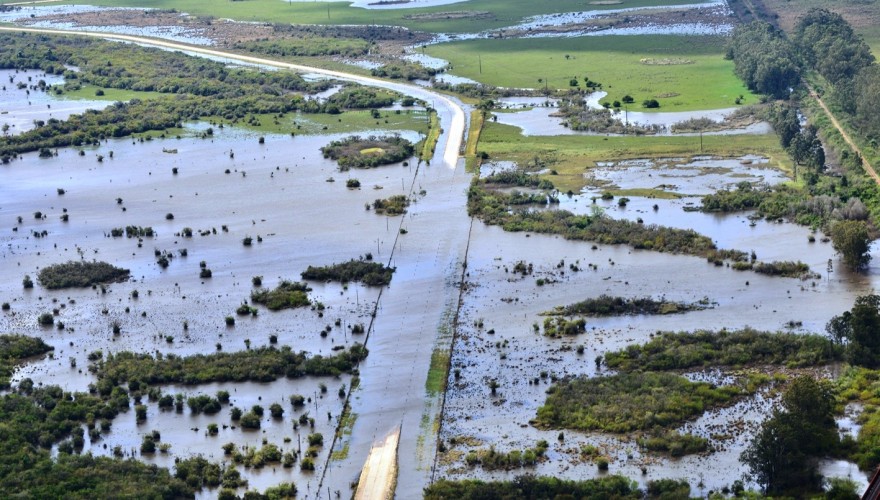
Severe weather in recent months are to be felt in the national roads, from the primary network to rural roads(Source: El País, 04/19/16)

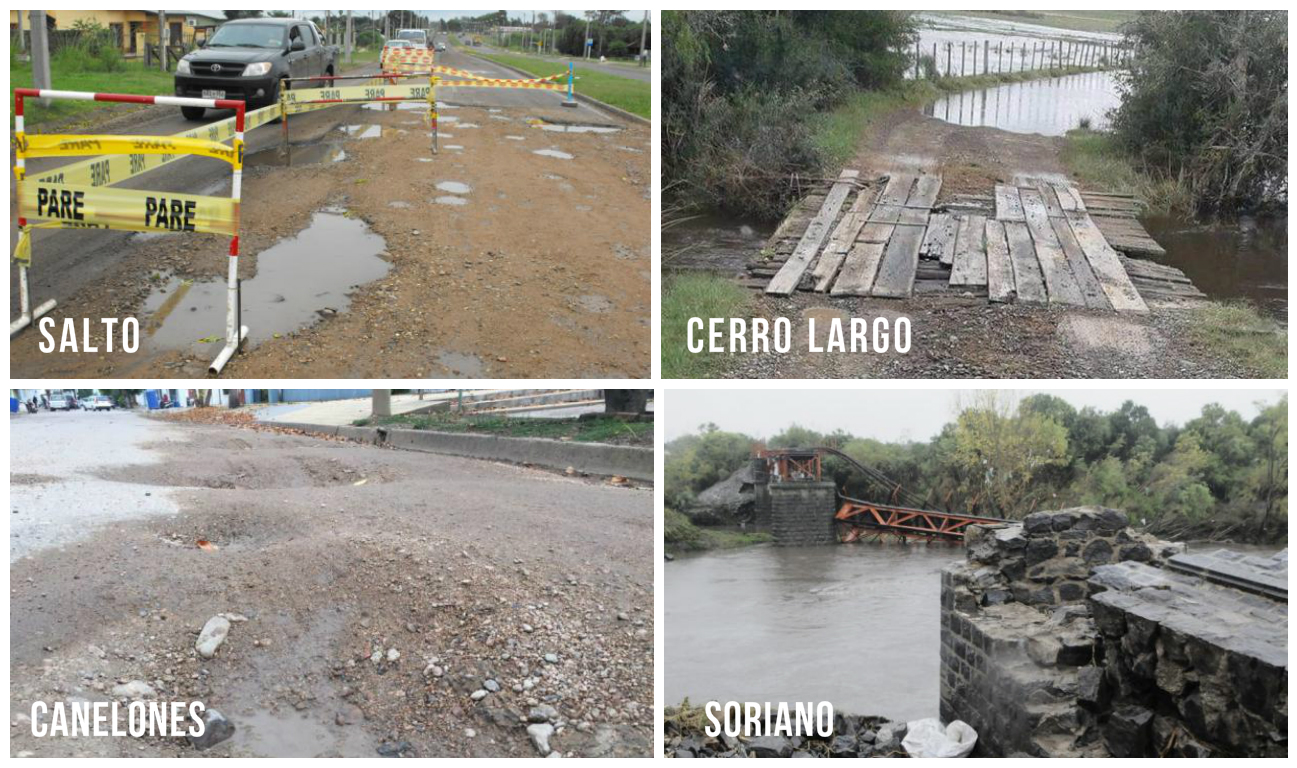
So much so that in several departments requested that the "emergency road" is declared, as indicated in Canelones (Source: El País, 10/04/16)and Salto (Source: El País, 13/04/16) as well as on the coast of the country (Source: El País, 04/20/16) And in the west in Cerro Largo (Source: El País, 05/09/16)

Images: The country
Image: El Observador

It has been announced by the government a battery of proposals from an extra small party for the Intendencias to cope with the deteriorating state of their ways to the extension of the scheme of PPP (Public Private Partnerships) to rural roads (Source: El Observador, 05/15/16)


He also spoke of a Strategic Plan for Rural Caminería (El País, 05/04/16) But without going into more detail than that is going to make a "Analysis of the needs of each department and introduction of new technologies for road construction".

PROPOSALS

In this aspect, from the Bitafal Group to continue innovating bet in real technical solutions for the durability of rural roads.

1) As We introduced in 2013 technology Soil Stabilization and Pavement Recycling siteToday we remain committed to expanding its use with new binders and execution techniques. We have Foamed asphalts as BITAFLEX AME which can extend the working range during cold periods and give improved performance of mixtures.

2) As ferrous Surface treatments advocates we are, we are developing new asphalts, emulsions and execution techniques to achieve higher durabilities at lower costs. Also looking to expand the range of work during cold seasons.

3) We continue spreading the use of both techniques together. Road engineering worldwide considers that the implementation of these two technologies is the ultimate solution for rural roads and not to mention, because of our scale, which for much of our crumbling road network. What we have learned we must communicate why We participate in conferences and seminars at national and regional level.

4) We continue to learn to apply in UruguayAs we reported in the last edition of "Making Roads" we learn from the Kiwis who have already worked hard to seek durable and economical solutions. One of our technicians will participate in a course Surface Treatment in New Zealand and now we plan to bring South African technicians to continue the dissemination of successful experiences in the world.

5) We continue warning the political actors about the risks of "new" soil stabilization techniques with chemical or biological products. El using these experimental technologies must be done in a progressive manner, and supported on objective, technically sound and consistent, which in one way or another, justify its use. For this test we participate in conjunction with experimental technologies, using the universal recognized technology stabilization Portland cement on a stretch of road in Artigas.

Image: Treinta y Tres


deflectograph light impact (LWD): New incorporation into CITEVI

deflectograph light impact (LWD): New incorporation into CITEVI

The new equipment strengthens the sion in pavement evaluation and esplanades.

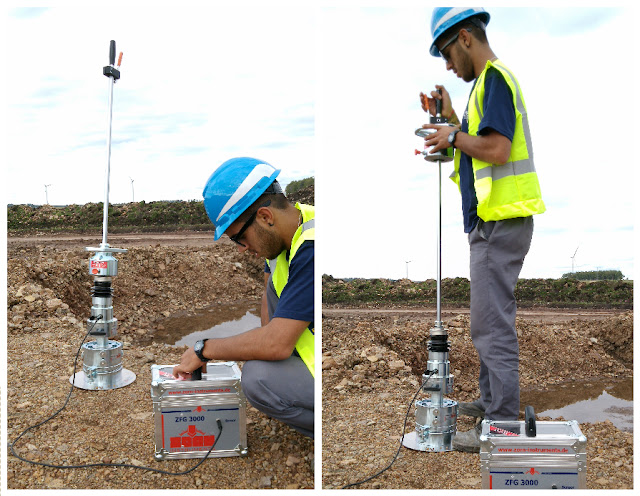
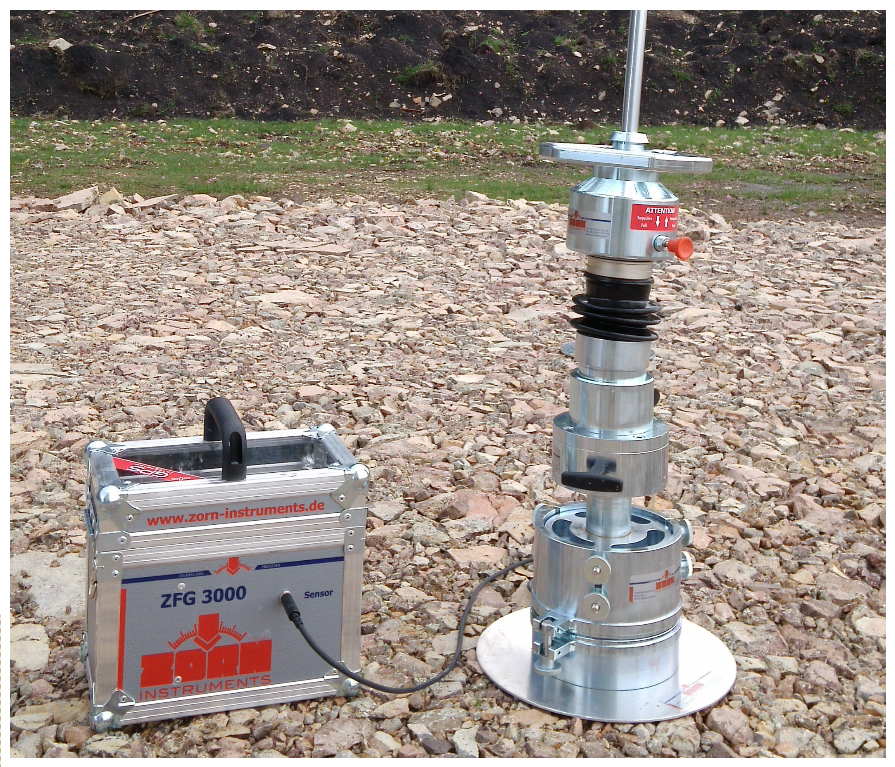
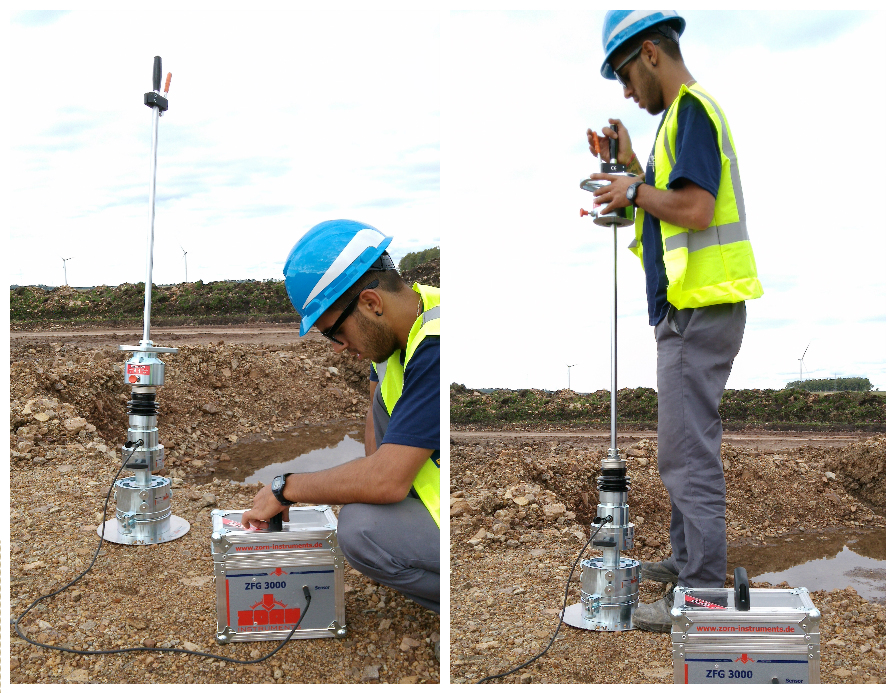
Last March was imported from Germany, a deflectograph Light Impact (LWD, its acronym in English) ZFG 3000 Zorn Instruments. The computer determines the dynamic deflection module (Evd in MN / m2) and pavement subgrade for determining the bearing capacity and compaction of the materials used quickly, economically and easily.

The LWD, can be used as alternative to the assay plate static charge as indicated by the literature and the German regulations with advantages:
· Does not require a loaded for conducting the test truck, saving on costs and expanding applications testing.
· Can be used in confined spaces due to the size and lightness of equipment.
· High yields because each measuring point takes about 3 minutes on average.
· Provides accurate tests and recording automatically the measurements with time stamp and GPS coordinates.
Equipment joined with two 10 kg weights for one allowing pulse strength 7.07 kN and another 15 kg giving a pulse of 10.6 kN with load plate 300 mm.

Moreover an accessory brought to replace the load plate, to measure the in situ CBR materials. In the coming months we will be bringing you the results of different comparative studies are underway to determine the applicability of the equipment for determining these parameters.

We use own and third party cookies to help us optimize your visit to our website and also to improve service delivery and thus adapt to their most relevant and useful to better their experience needs. When you click OK to continue with navigation and thus confirm that you have read the information and accept the activation of cookies.

You can allow or reject use at any time can change the Configuration Options Privacy - Cookies Policy -

Privacy settings

When you visit a website, you can store or retrieve information in your browser, mainly in the form of cookies. Check your personal services cookies here.


We track anonymous user information to improve our website.
.
  • _ga
  • _gid
  • _gat

Decline all Services
Accept all Services