VEDA IN Surface treatments

VEDA IN Surface treatments

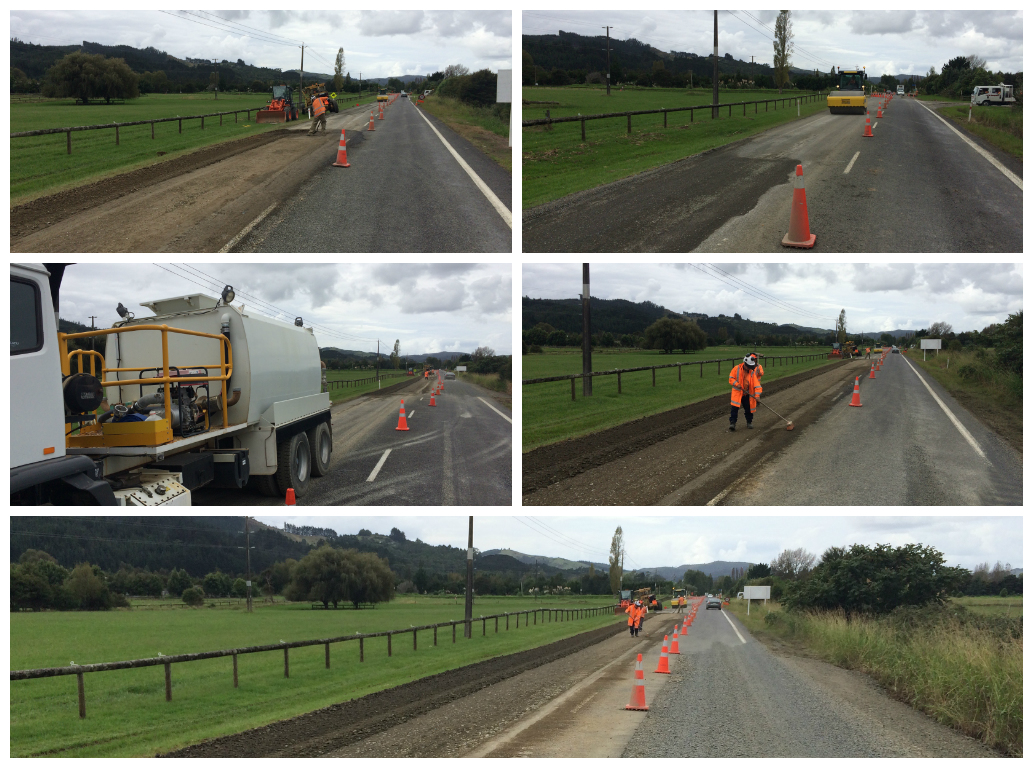
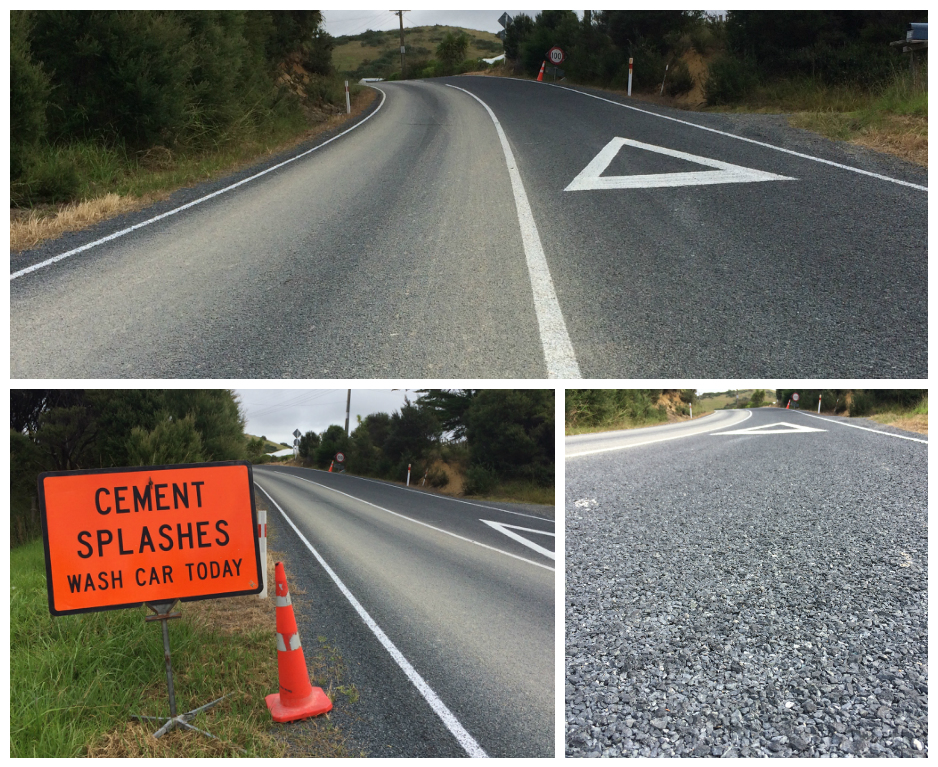
With the imminent entry of autumn, we should take the necessary precautions in the execution of surface treatments.

The ban begins in a few days and the most suitable for our summer climate emulsions begin to generate low yields in the execution by the cold and the few hours of insolation that we are already living.

Asphalts specifications based emulsions remain unchanged throughout the year. If the manufacturer wants a change in specifications to continue the work, we do get an email with the desired specification.

We recall that in remitos load the batch number corresponding detailed, and which can enter our website to have the Quality report and to corroborate with the requested specifications.

To maintain the quality of the works must run less meters per day before releasing traffic with some specific recommendations always looking to reduce the amount of water in the system.

We invite you to know in detail the recommendations on the following link "SEVEN RECOMMENDATIONS FOR USE OF EMULSIONS IN WINTER"

surface treatments:

1) heating the emulsion to be used above 70 ° C to promote evaporation of water from the emulsion itself.

2) Do not wet aggregates and try to use the top in the collection that are drier and drained, not load the gathering at the bottom.

3) Start the task early in the morning, regardless of the prevailing temperature, for that tranche has executed the most hours of exposure to air, wind and sun.

4) Apply TMT technologiesThat favor locking of aggregates applied, achieving superior quality and finish.

5) Have properly calibrated equipment graveled and irrigation to the quality objective is sought to be achieved.

Irrigations primer:

In these autumn and winter periods irrigation primer they are affected by the high rate of humidity in the foundations.

It must be respected as well as primers with dilute MC 1, optimum moisture application for the purpose of achieving a successful work.

By the above, it is normal for a primer in summer takes less than 1 hour in winter takes more than 24 hours to get to be acceptable.

Soil stabilization:

It is best suited to perform soil stabilization with cement or lime period.

Water needs hydration are very basic and profiling work, compaction and sealing are unmatched.

Here the sealing emulsion IRRIGATION BITAFAL 65 at 1 per square meter lt should be complemented with a sealed with quarry dust good quality.

These bases have such successful results supporting several months before recommencing graveled tasks in appropriate months.

It IS NOT WHAT THEY SAY ...

It IS NOT WHAT THEY SAY ...

During February we conducted two tours of much of the country to see how surface treatments behaved during the summer.

After having traveled more than 2800 km were able to verify that the problems of exudation that both resonated in the press and in the environment, are actually a small part of what has been done in recent months across the country.

We could risk to quantify the problem areas and we do not exceed 2 or 3% of total executed.

Exudation is fully controlled and are the result of a sum of different errors, based not only attributable to asphalt emulsions. We have traveled sections executed with national emulsions, RC2 or imported emulsions, and in all cases there exudates sections. A common denominator of most of them is running during the winter without the necessary precautions.
The emulsions BITAFAL ALWAYS comply with the current specification DNV which includes a penetration range of 50 to 200 dmm and we subdivide into soft, medium and hard to adjust to the realities of each work.

Every summer we adjusted basis or hard asphalts media but from now on is the quality of asphalt base will maintain throughout the year. Only order will manufacture soft asphalt emulsions that way unless there is a variable in the appearance of exudates.

You can read some recommendations to reduce the appearance of exudates below:

To prevent exudates is essential to work in good weather conditions to ensure proper curing of the emulsion without risk of premature detachment and redo work force overdosing asphalt.

If you have to work during the closure take the precautions mentioned in note below.

Other factors are very soft exudation base surface allowing penetration of the aggregate A treatment and reducing the proportion of several necessary. The same applies to well-graded aggregates that fill the gaps for the asphalt emulsion.

The lack of a suitable dosage criteria, use the same "recipes" for all treatments running and lack of calibration of equipment are key components for the job fails.

Aggregates with high dust content are also a problem because the reduced active adhesion usually increase the dosage asphalt irrespective of subsequent consequences.

Must professionalize dosage calibration, the release of the basis for treatments and especially the aggregates used.

Treatment well executed, even with soft emulsions, may not have bleeding problems ... and many kilometers executed last winter with soft emulsions which did not have problems when they reached the heats.

International Day for the Preservation of the Road

International Day for the Preservation of the Road

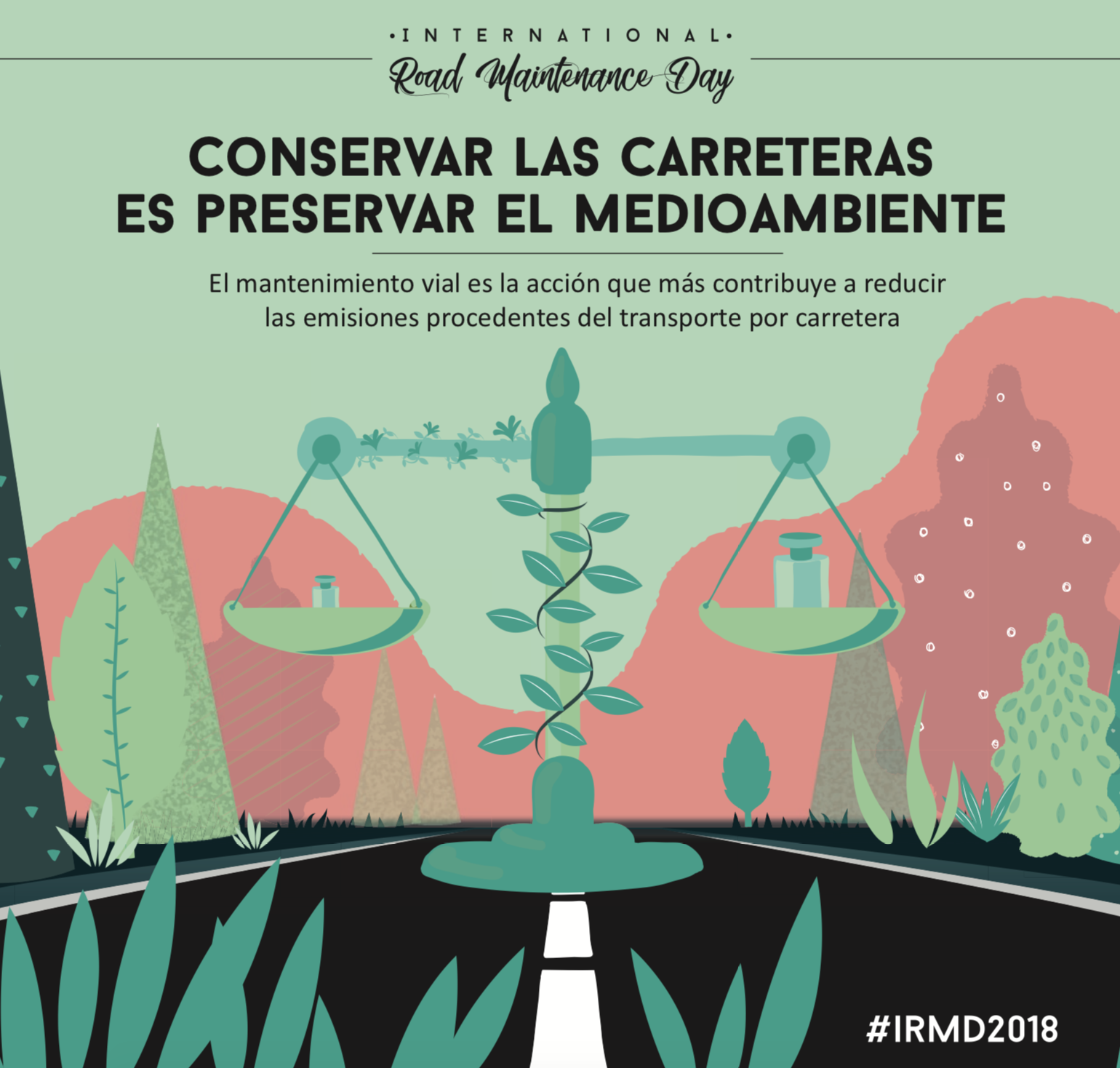
The next 5th of April it will celebrate the first International Day of Road Maintenance (International Road Maintenance Day, IRMD) the IRMD 2018

It proposed an excellent initiative from Asefma (Spanish Association of Manufacturers of Asphalt Mixture) and adds up consciences over the globe, such as ZAS (Slovenia) Routes de France (former USIRF France), ERF (European Road Federation) and Eurobitume, Mexico, Ecuador, Chile and BITAFAL from Uruguay, among others.

The reason for the celebration of this day is to show that the world as we know it today is only possible by roads and must properly preserve them. Institutionalizing the idea is to be held every first Thursday of April.

In the 2018 edition of IRMD, under the slogan "It protects the roads conserving the environment"It aims to draw attention to the influence of the condition of roads in emissions from vehicles on them.

He program of the day next Thursday April 5 in Madrid-Spain, will be from 9 to 12 (local time) and will feature two panel discussions:

1- The opinions of road users

2- The position makers

To access the free online transmission can be registered through the platform ITAFEC on the following link: https://www.itafec.com/event/detail/id/277

LINKS TO LEARN MORE:

Mas info: https://www.ptcarretera.es/wp-content/uploads/2018/03/IRMD-2018-Spain.pdf

Blog Juan José Potti (President of ASEFMA) https://blogdejjpotti.wordpress.com/2018/03/07/irmd2018-un-dia-internacional-sobre-la-conservacion-de-carreteras/

Manifesto IRMD_ https://www.asefma.es/wp-content/uploads/2018/04/manifiesto_IRMD2018.pdf

Official page # IRMD2018 https://roadmaintenanceday.org/es/inicio/

Reflections on state of emergency of national roads

Reflections on state of emergency of national roads

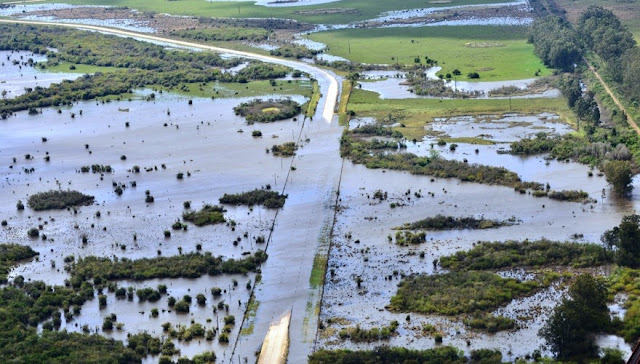
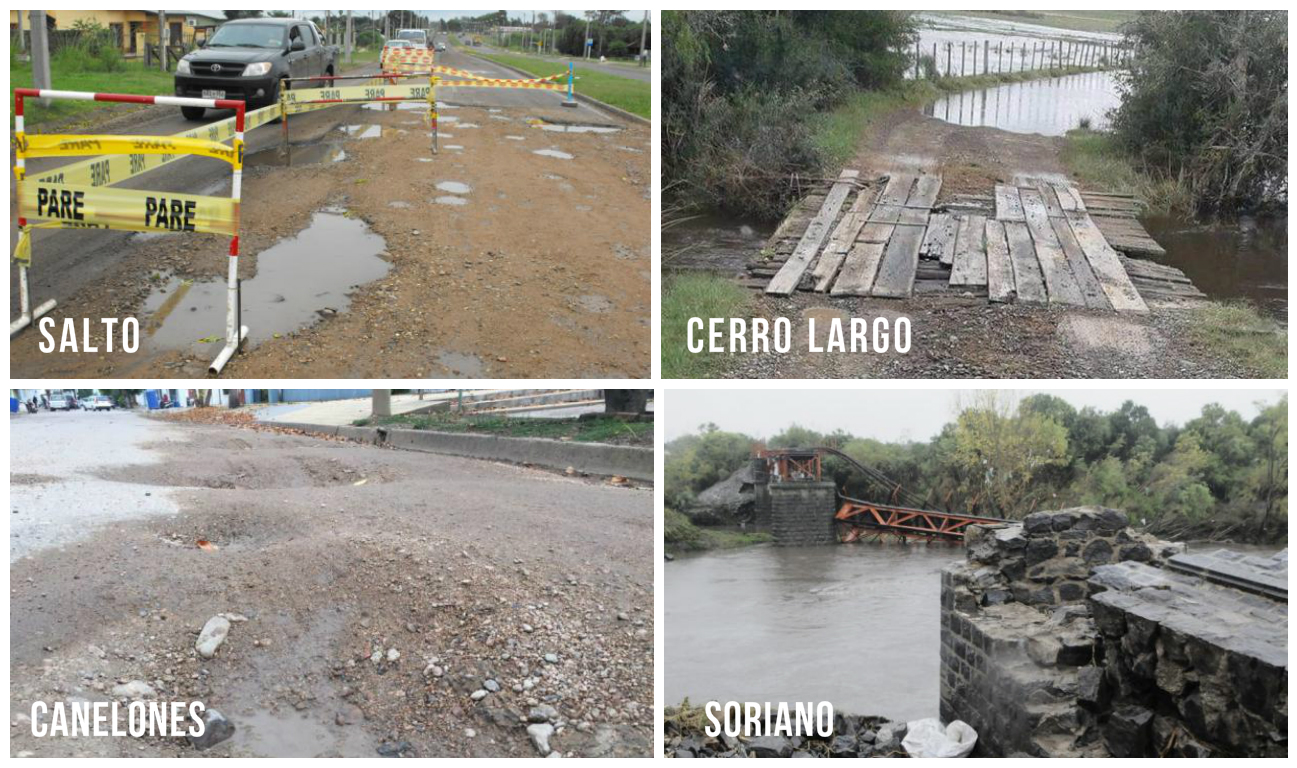
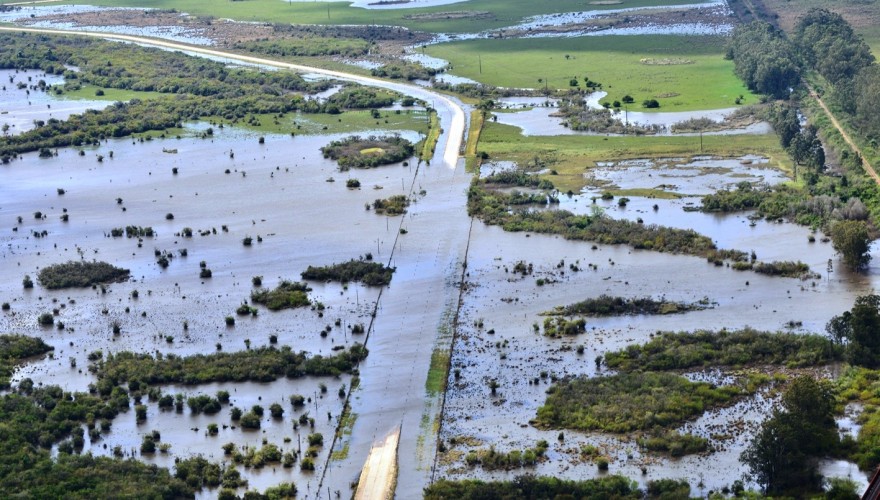
Severe weather in recent months are to be felt in the national roads, from the primary network to rural roads(Source: El País, 04/19/16)

So much so that in several departments requested that the "emergency road" is declared, as indicated in Canelones (Source: El País, 10/04/16)and Salto (Source: El País, 13/04/16) as well as on the coast of the country (Source: El País, 04/20/16) And in the west in Cerro Largo (Source: El País, 05/09/16)

Images: The country
Image: El Observador

It has been announced by the government a battery of proposals from an extra small party for the Intendencias to cope with the deteriorating state of their ways to the extension of the scheme of PPP (Public Private Partnerships) to rural roads (Source: El Observador, 05/15/16)


He also spoke of a Strategic Plan for Rural Caminería (El País, 05/04/16) But without going into more detail than that is going to make a "Analysis of the needs of each department and introduction of new technologies for road construction".

PROPOSALS

In this aspect, from the Bitafal Group to continue innovating bet in real technical solutions for the durability of rural roads.

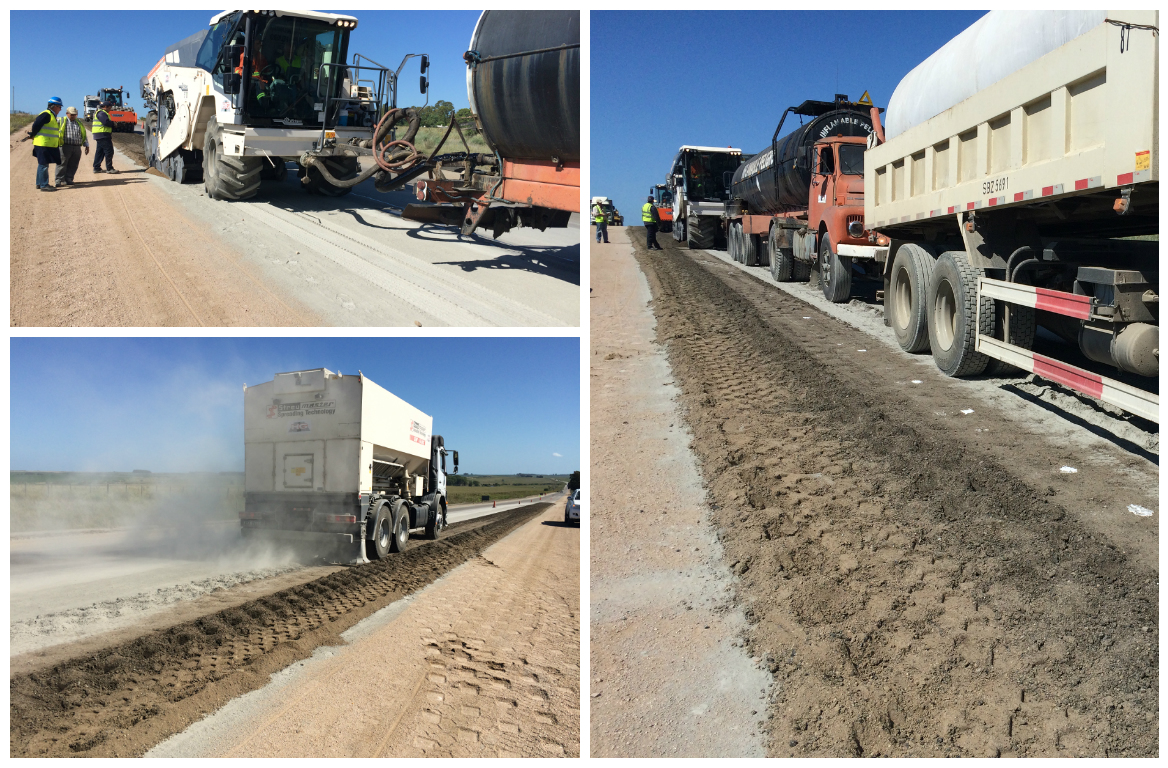
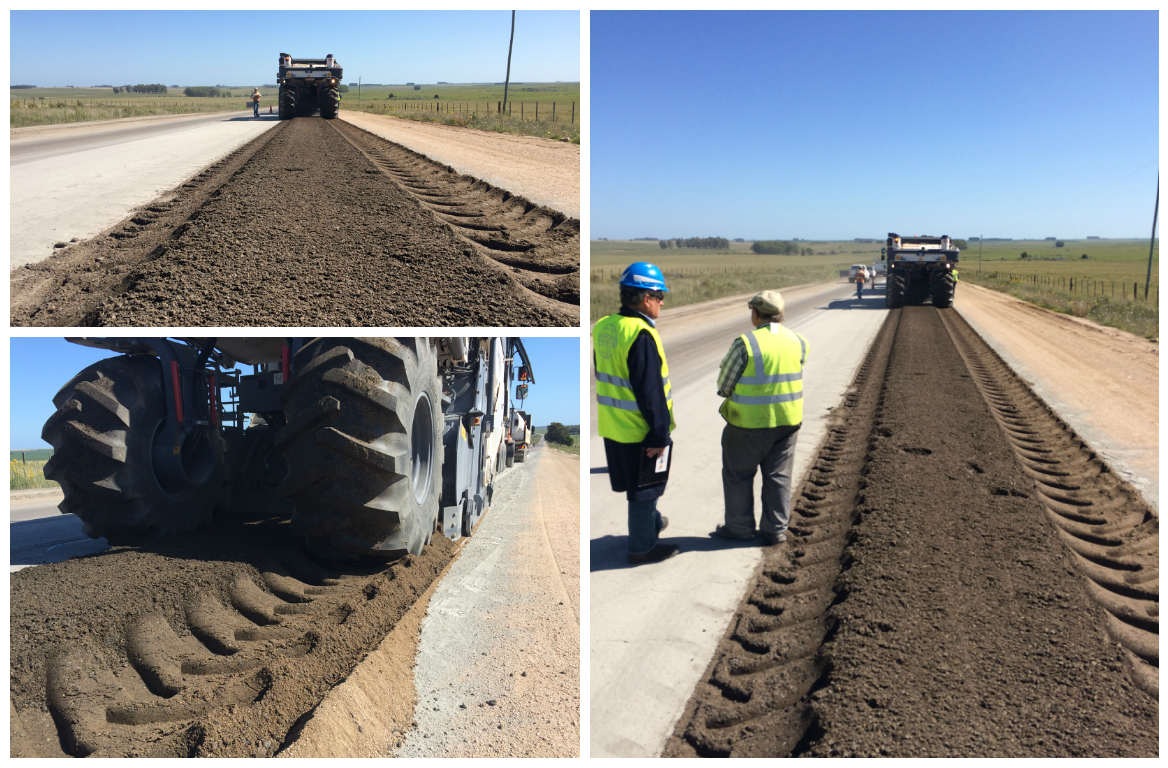
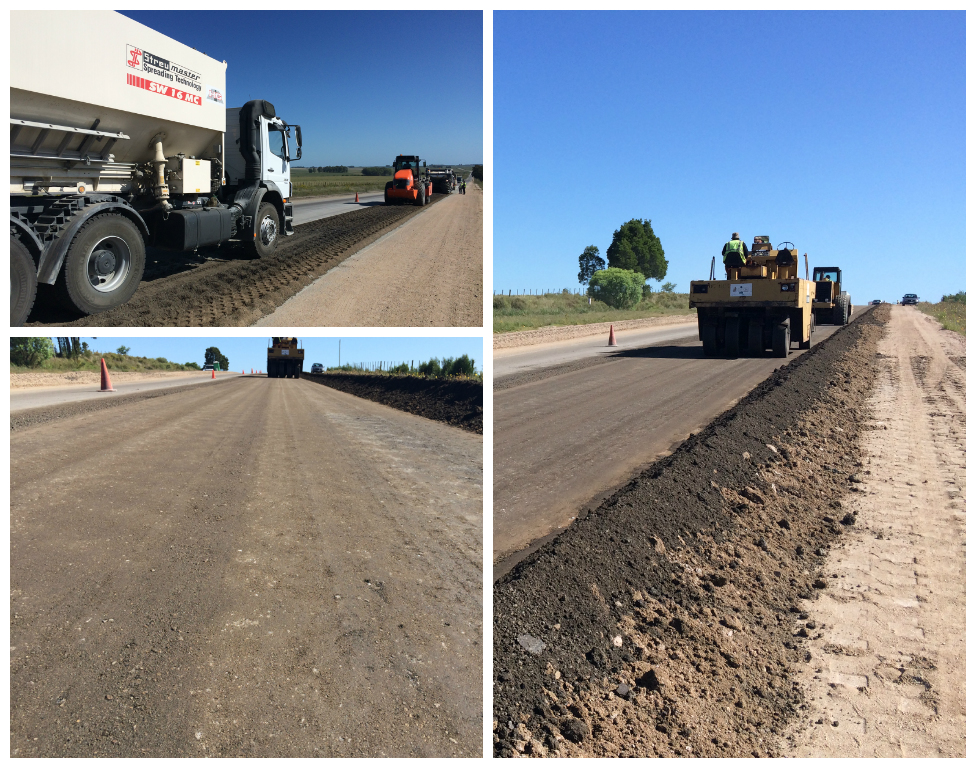
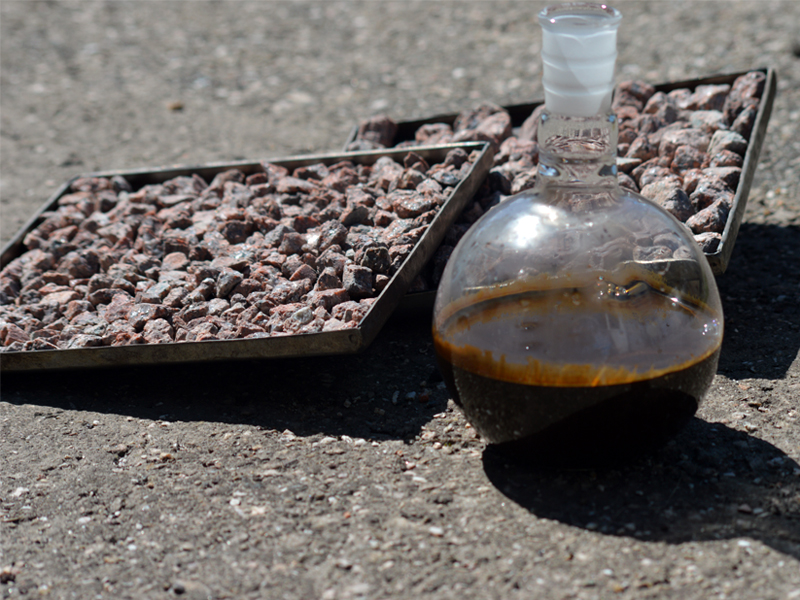
1) As We introduced in 2013 technology Soil Stabilization and Pavement Recycling siteToday we remain committed to expanding its use with new binders and execution techniques. We have Foamed asphalts as BITAFLEX AME which can extend the working range during cold periods and give improved performance of mixtures.

2) As ferrous Surface treatments advocates we are, we are developing new asphalts, emulsions and execution techniques to achieve higher durabilities at lower costs. Also looking to expand the range of work during cold seasons.

3) We continue spreading the use of both techniques together. Road engineering worldwide considers that the implementation of these two technologies is the ultimate solution for rural roads and not to mention, because of our scale, which for much of our crumbling road network. What we have learned we must communicate why We participate in conferences and seminars at national and regional level.

4) We continue to learn to apply in UruguayAs we reported in the last edition of "Making Roads" we learn from the Kiwis who have already worked hard to seek durable and economical solutions. One of our technicians will participate in a course Surface Treatment in New Zealand and now we plan to bring South African technicians to continue the dissemination of successful experiences in the world.

5) We continue warning the political actors about the risks of "new" soil stabilization techniques with chemical or biological products. El using these experimental technologies must be done in a progressive manner, and supported on objective, technically sound and consistent, which in one way or another, justify its use. For this test we participate in conjunction with experimental technologies, using the universal recognized technology stabilization Portland cement on a stretch of road in Artigas.

Image: Treinta y Tres


Ways of the world: Impressions of New Zealand trip

Ways of the world: Impressions of New Zealand trip

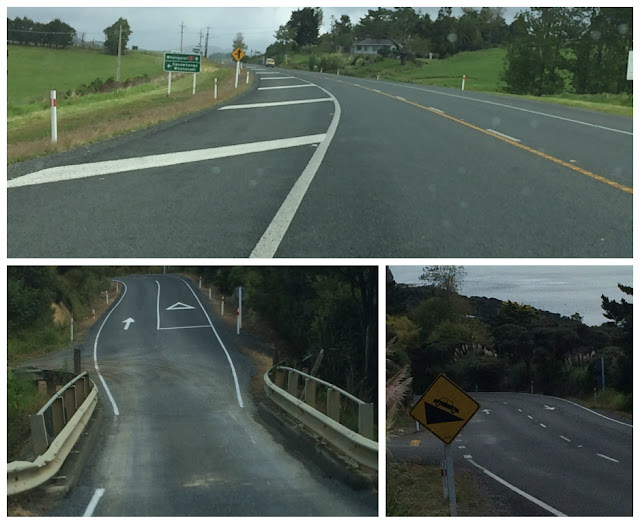
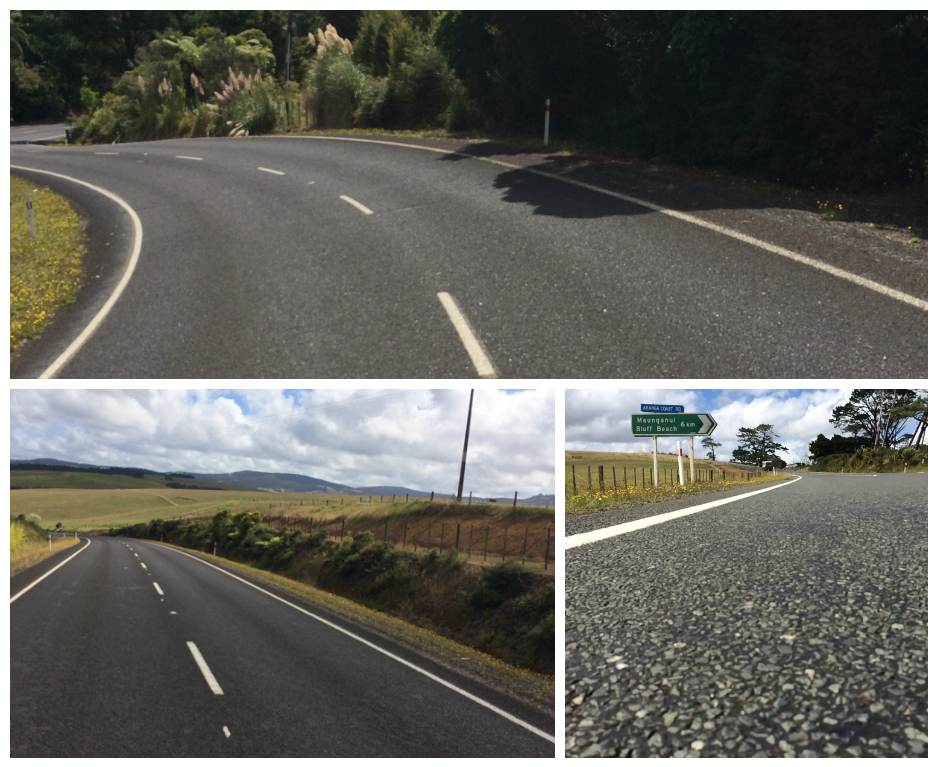
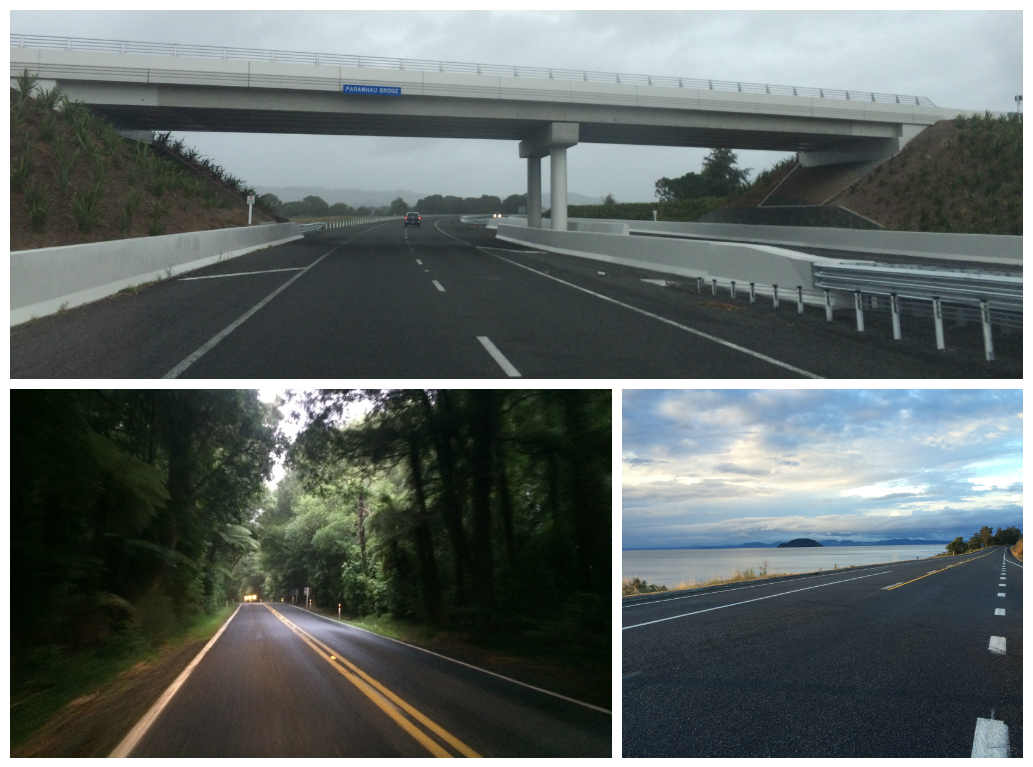
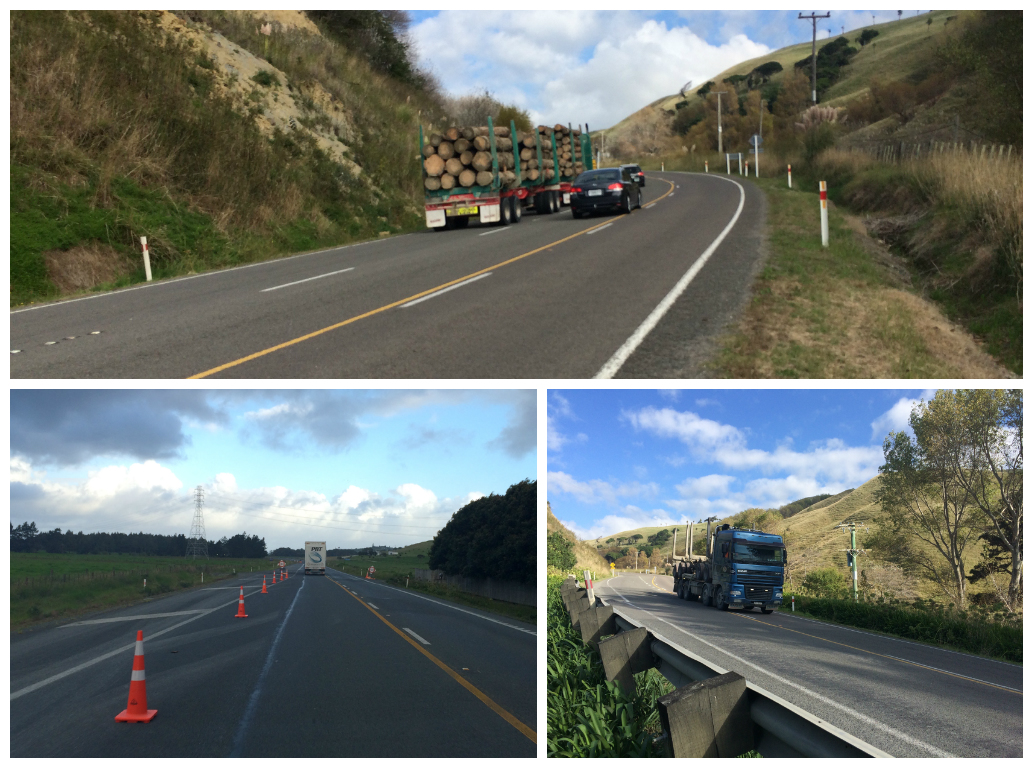
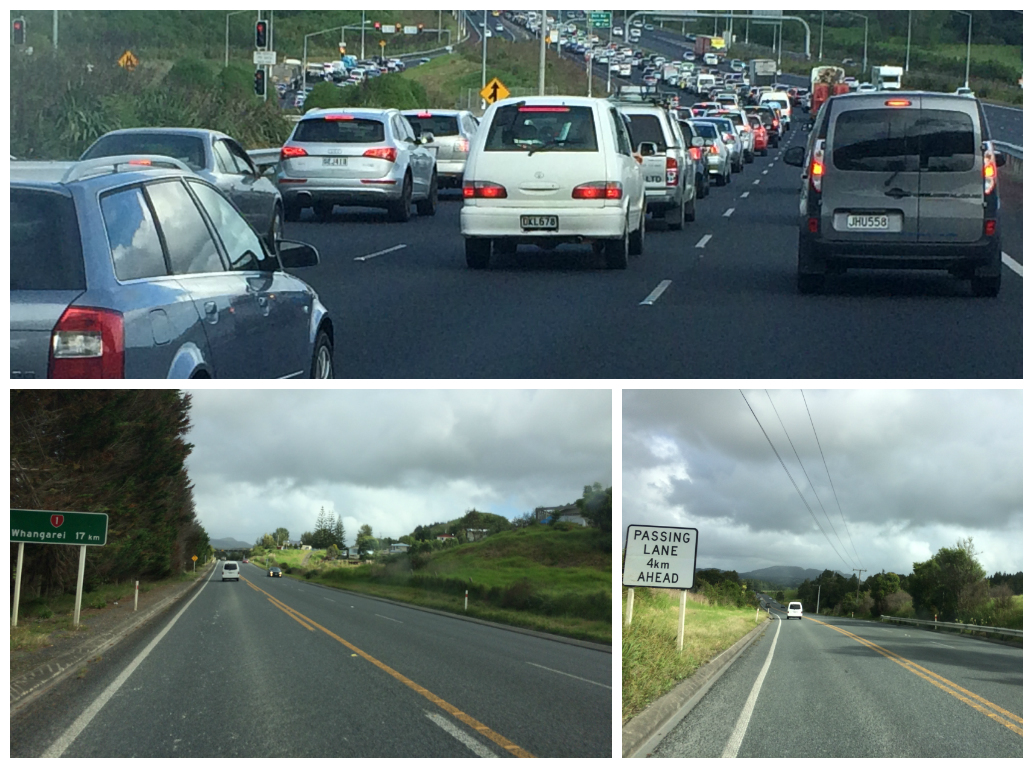
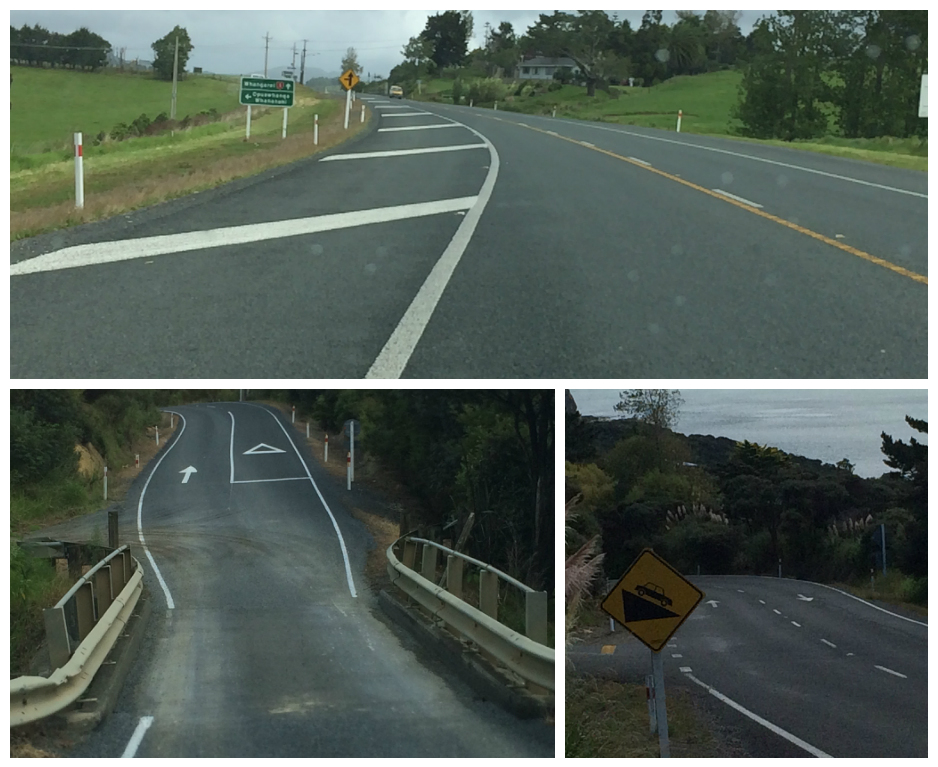
We had the pleasant opportunity to visit for 20 days, covering 2735 km of roads NEW ZEALAND and returned extremely surprised by the quality of roads in the country.

New Zealand has been successful in how to combine technologies way to get a paved road network of high quality. Let's start with comparative data with our country:
-New Zealand has 270,000 square km, 50% more than Uruguay.
-have 95,000 km of highways and roads (0.35 km / km2) of which 63,000 km are paved, 66% of the total.
-Uruguay 78,000 km road (0.44 km / km2) of which have 8000 pavings, only 10% of the total.
In other words, we have a higher density of roads per km2, but far we have long paved network as theirs.
It is that in New Zealand stabilization in situ with cement, lime or asphalt, is present decades, using as surface treatments surface layer and leaving only places high demands on the use of asphalt.

As we all know, the quality of the bases is essential, but if surface treatments are used as rolling. Conversing with them consulted engineers work, how they do it, and his answer was blunt: "It puts on a carpet and hard floor will last a lifetime, if you put on the clay have to throw very soon".
Transportation Agency's own New Zealand indicated on your website: "The surface treatment is the most common type of rolling road in New Zealand. Economic, flexible and resilient, it provides an adaptable, safe and cost efficient surface for road users. We have a regular all surfaces to ensure they will perform at maximum follow.High traffic roads resealed usually need about every seven years, while roads that carry less traffic can last 15 to 20 years before resurfacing is required. " (Source:NZ Transport Agency)

We share then as discussed with technicians work procedures used for construction of a typical road in New Zealand.
CONSTRUCTIVE PROCEDURE
The kickoff is performing test base materials, the effects deeply know what material is counted. The development laboratory formulates a stabilization project based on cement, lime or asphalt and if you have enough good granular material in the area is considered the particle size stabilization with a maximum size of 65mm and the addition of 2% of cement.

The bases are treated perfectly with suitable materials, with the necessary granulometry compacted and cleaned before waterproofing.
By having a very good base are limited to be as tread layer surface treatment with dry monogranular 6-12 mm and with the passage of time, when the treatment loses or shows a signal texture permeability, apply a second treatment with fraction 2-6 mm improving rolling and waterproofing structure again.
Then repeat the cycle with a large fine gravel 6/12 on and so on, always taking a road in perfect condition applying preventive maintenance at the optimum time.

Asphaltic used folders in the inner city, joints roads, highways exit of cities and in very short stretches of mountain roads when the slopes and angles are too demanding for a surface treatment.
The guide Transportation Agency New Zealand on the selection of the suitable tread layer is in the following link: Selection Guide surface layer

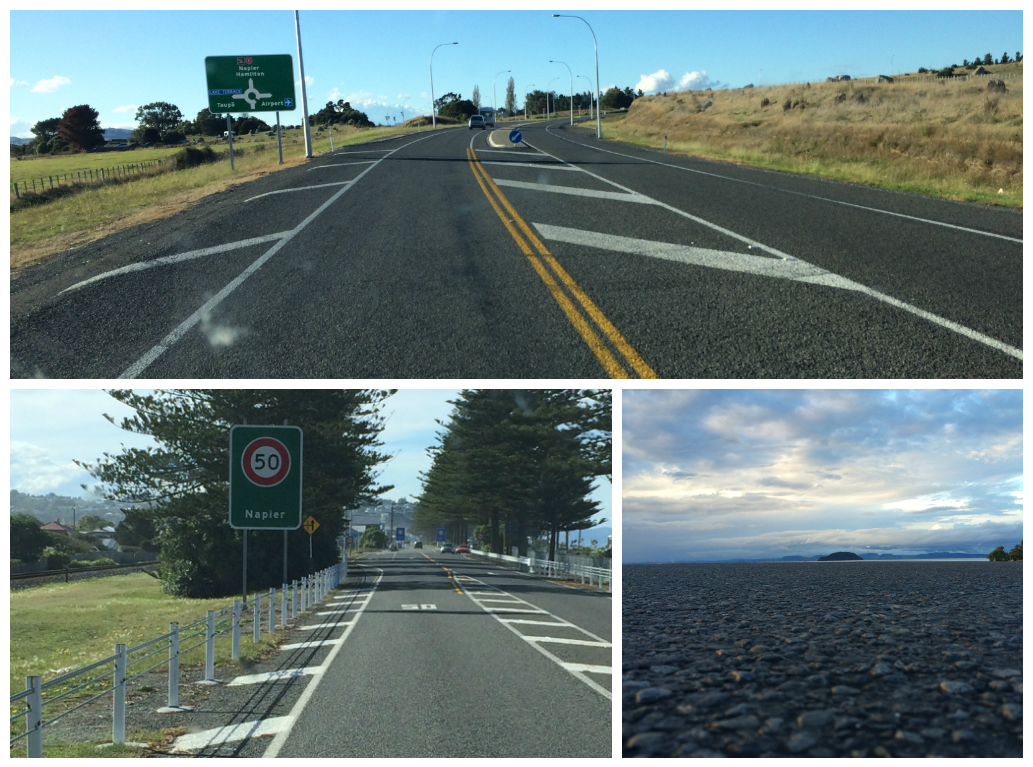
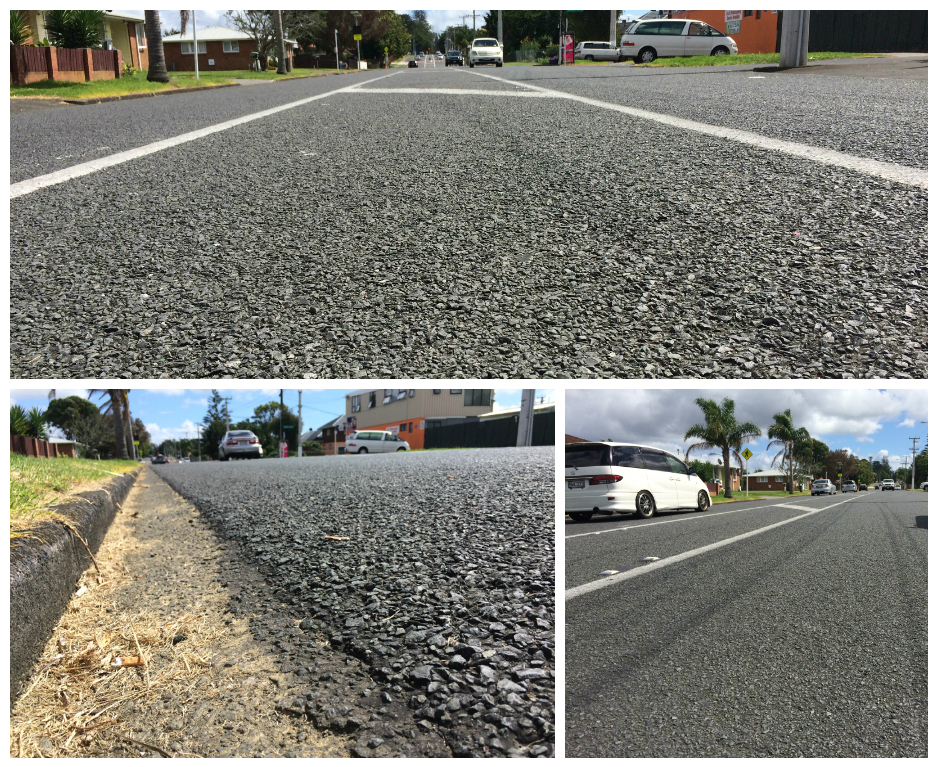
The use of surface treatments monogranular or Chiping, reaches places such as a neighborhood of the city of Auckland, and most important port in the country and the North Island as seen in the photos below city.

Our trip was not only on this visit in the month of May Bitafal group You will be participating in a two-day course on technologies Chiping in the city of Christchurch in the South Island. In addition we already have a publication of more than 500 pages of the Manual on Chipsealing in New Zealand. Interesting document available on: Chipsealing in New Zealand
To keep growing and researching, we have a long way to go.
We leave more photos in the following link

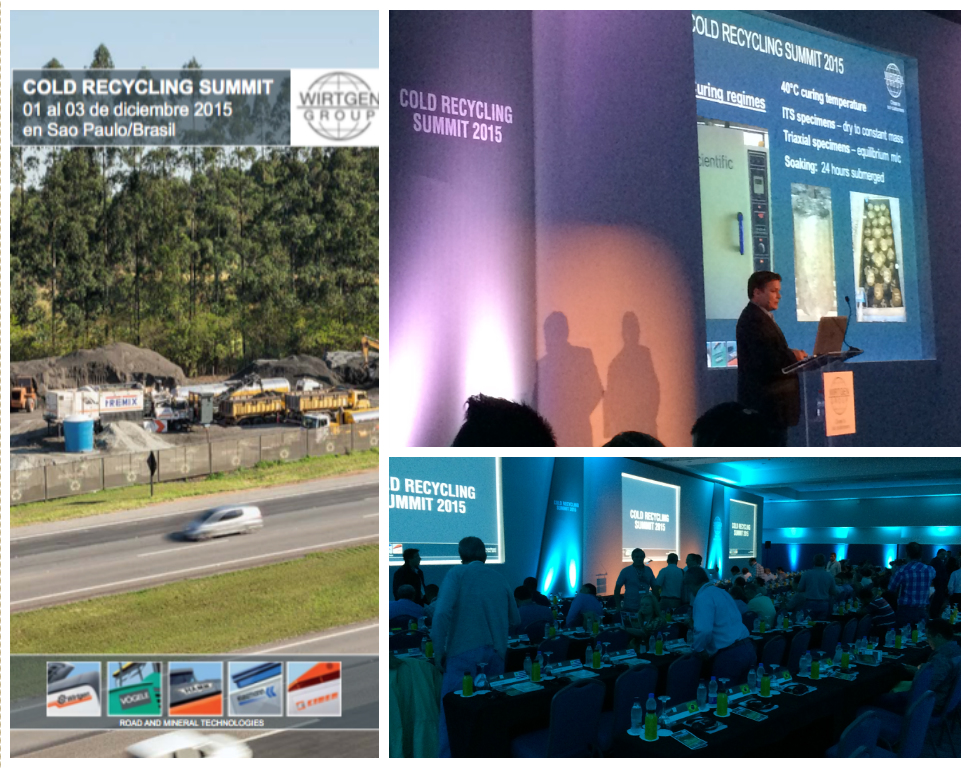
Cold Recycling Wirtgen Group Seminar | December 2015 - Sao Paulo, Brazil.

Cold Recycling Wirtgen Group Seminar | December 2015 - Sao Paulo, Brazil.

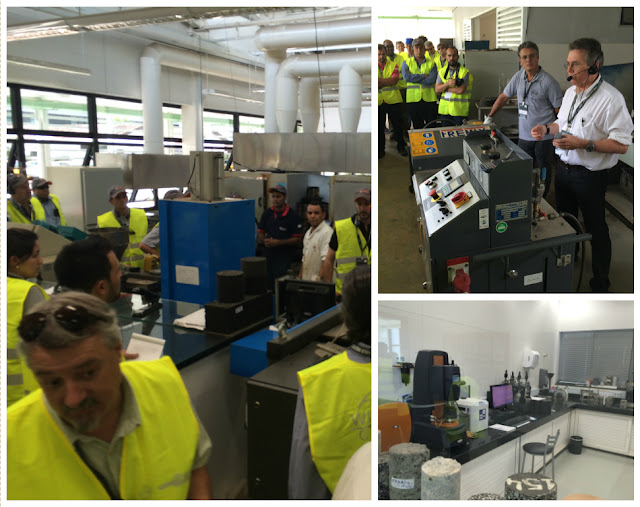
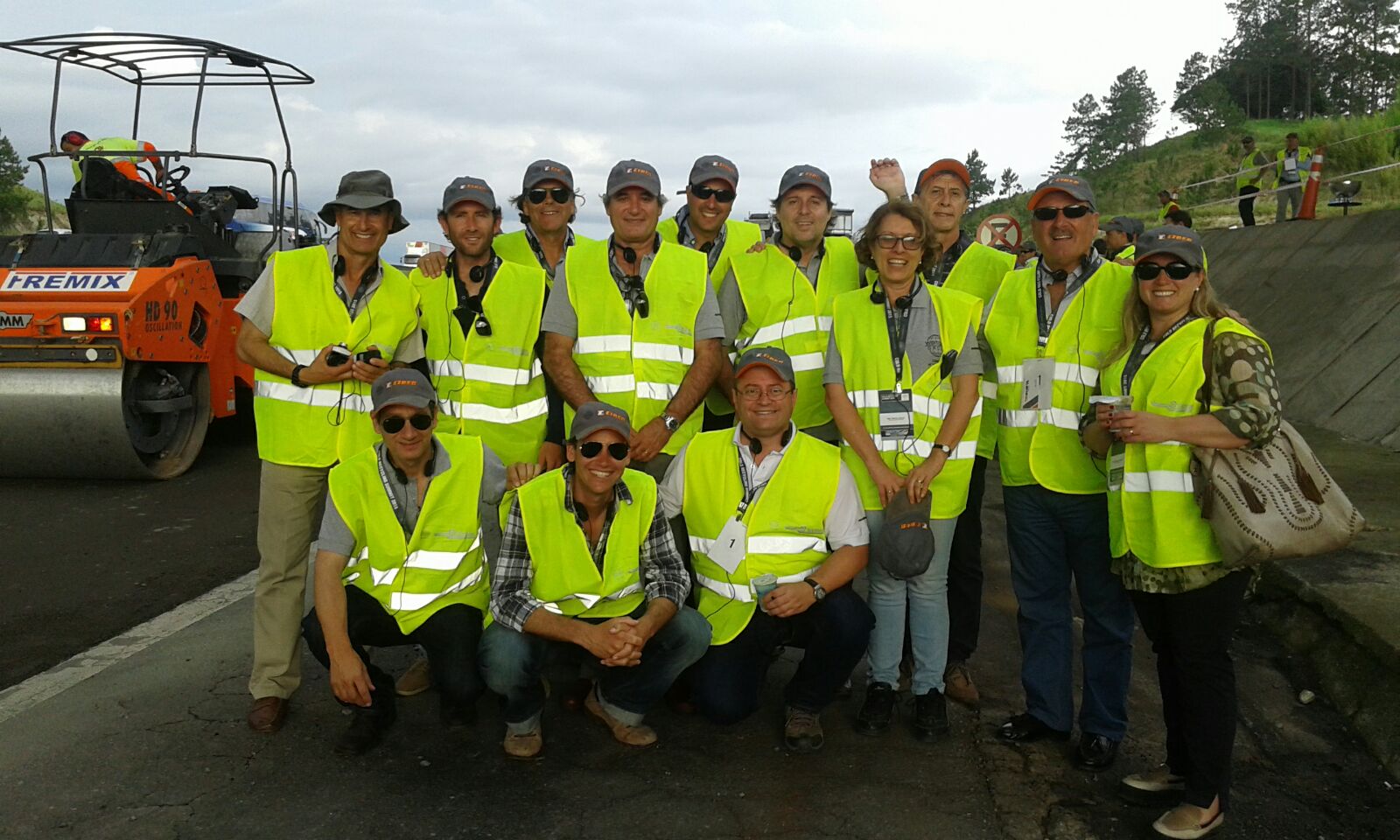
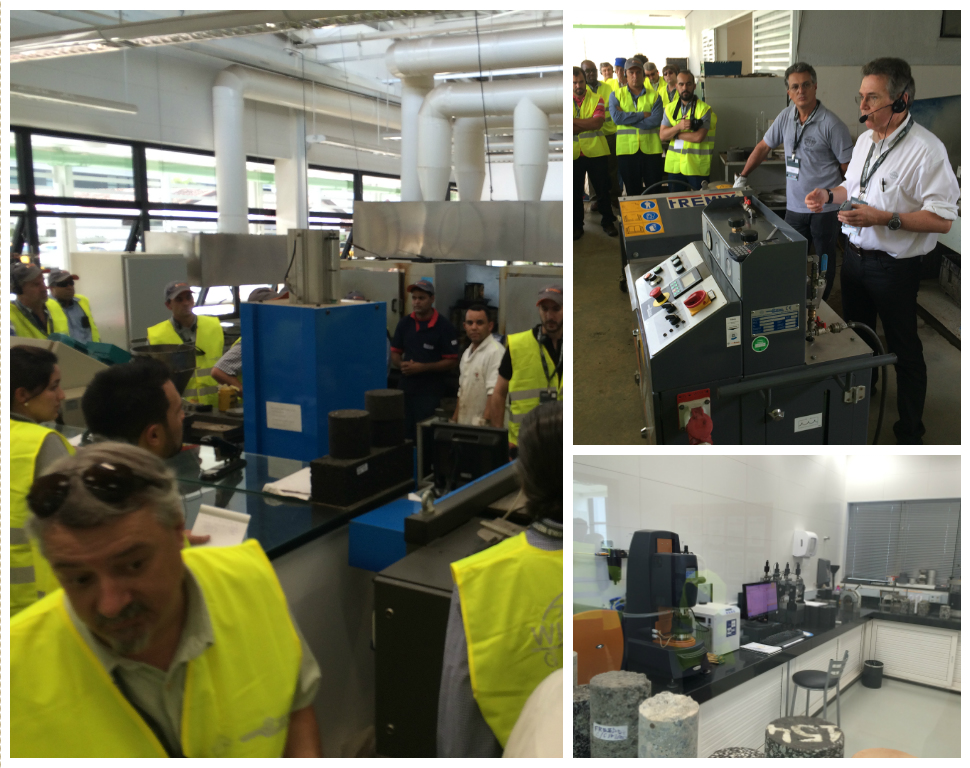
It was held in Sao Paulo, Brazil, last December, a technical seminar organized by cold recycling Wirtgen Group.Uruguayans participated more than 15 technicians of various construction companies, MTOP, of Tradinter and Bitafal group. There were also delegations from various countries in South America, reaching about 200 participants.


Los temas tratados en el seminario fueron sobre la tecnología de reciclado en frío y de la estabilización con asfalto espumado específicamente. Se realizaron charlas técnicas sobre las propiedades y comportamiento de materiales estabilizados con asfalto espumado (BSM – Bitumen Stabilized Material) y un taller sobre asfalto espumado y materiales BSM en el impresionante laboratorio central de la concesionaria CCR Nova Dutra.

Asphalt arena (1)

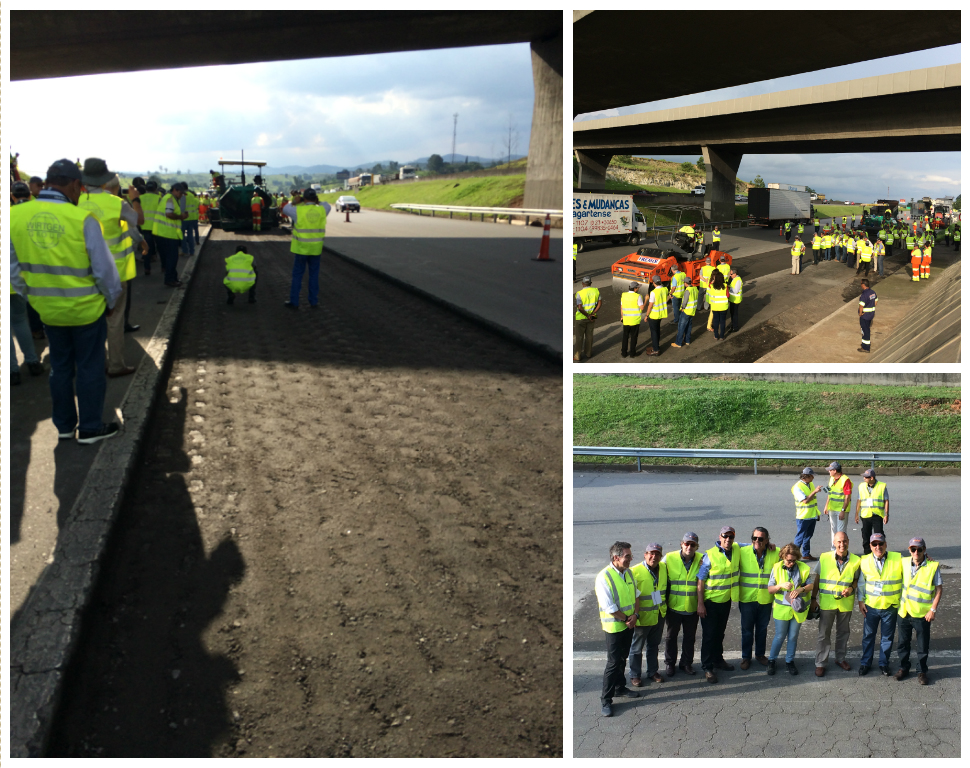
Esta tecnología es ideal para tramos exigidos como el existente entre San Pablo y Guarulhos que cuenta con más de 200.000 vehículos por día (la mayoría de ellos camiones y ómnibus) tanto por la resistencia del BSM como por la velocidad de ejecución, que se realiza en unas cinco horas únicamente durante la noche. Por otra partes es una tecnología económica y sustentable ya que utiliza el material de base y asfalto existente, 1% del cemento y un 2% de asfalto espumado solamente.

A very interesting experience thus acquired knowledge, as both made the links between the Uruguayan delegation, as with other delegations present. It is very important that all couples involved in the development of technology in the country have participated, showing interest and commitment to these first test sections in Uruguay are successful.


Wirtgen Group shared presentation


First stages of cold recycling with foam asphalt | Bringing Theory to Practice

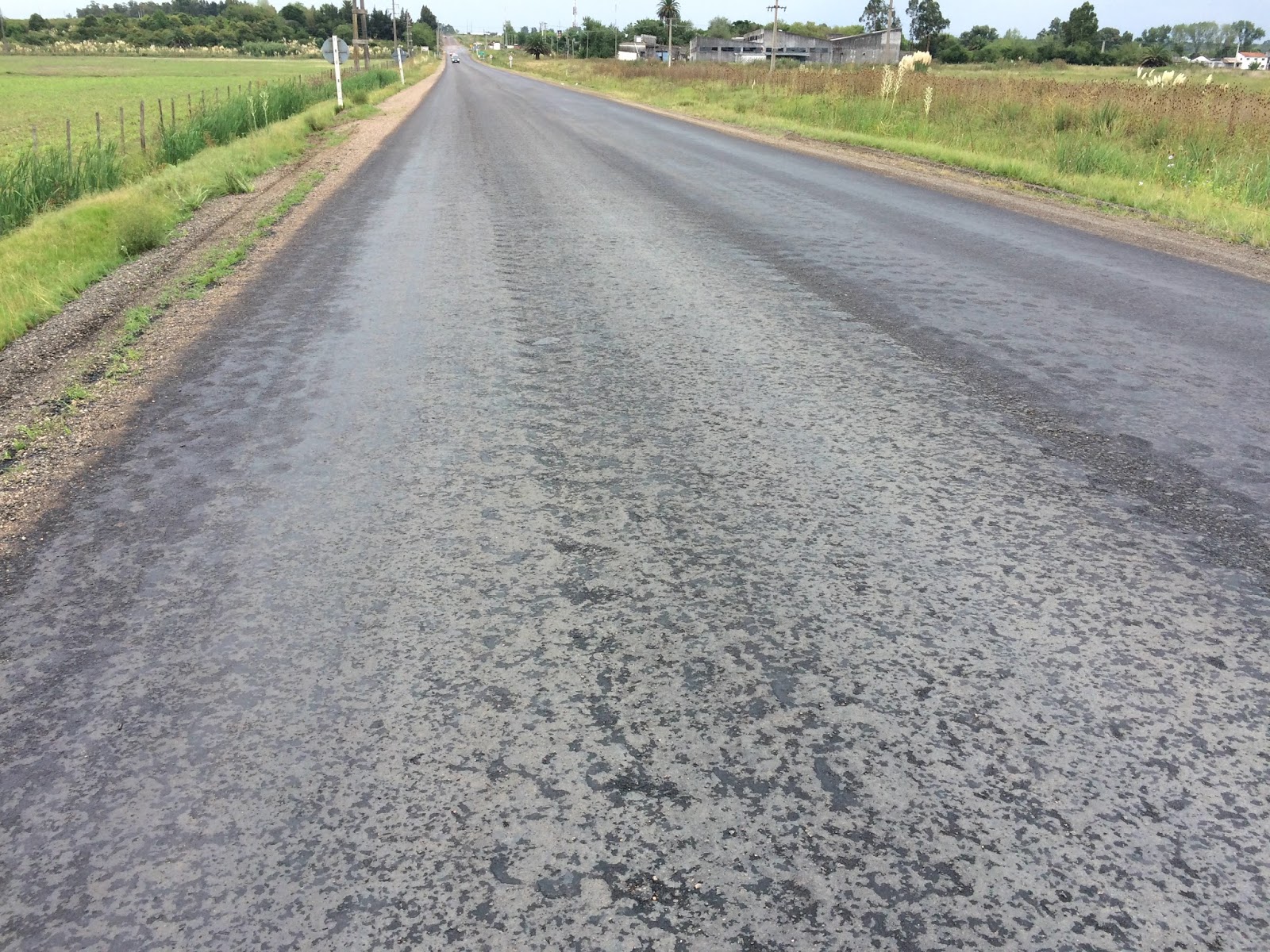
The first sections of pavement recycling foamed bitumen are a reality and are projected as an economic and sustainable solution for the rehabilitation of roads.

Since incorporation by BITAFAL RENTALS of the first recycling train in situ in Uruguay in 2013, it has advanced very quickly in the national road system to incorporate technology in all its variants.

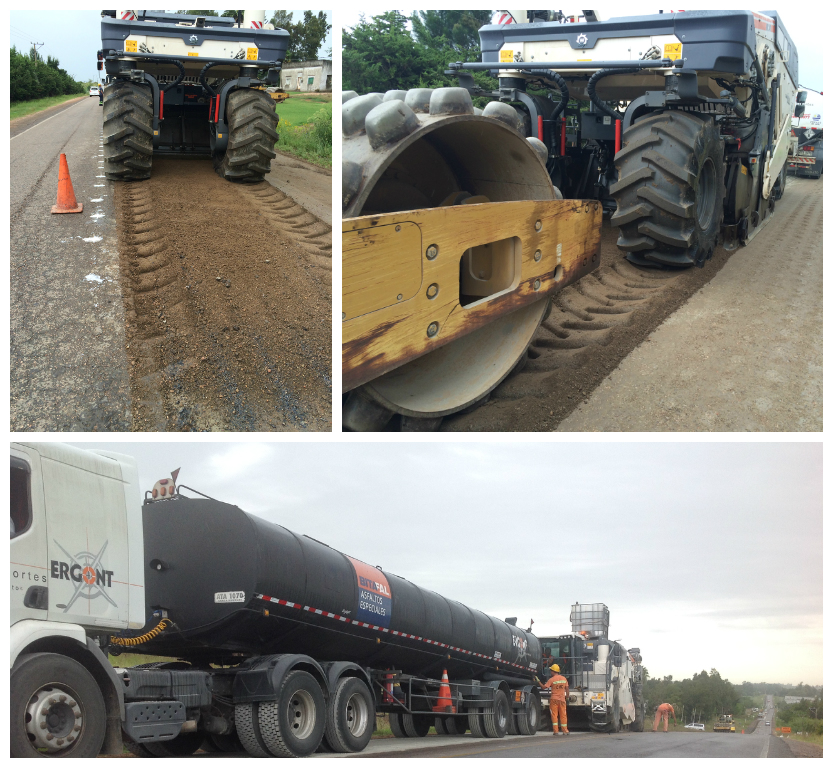
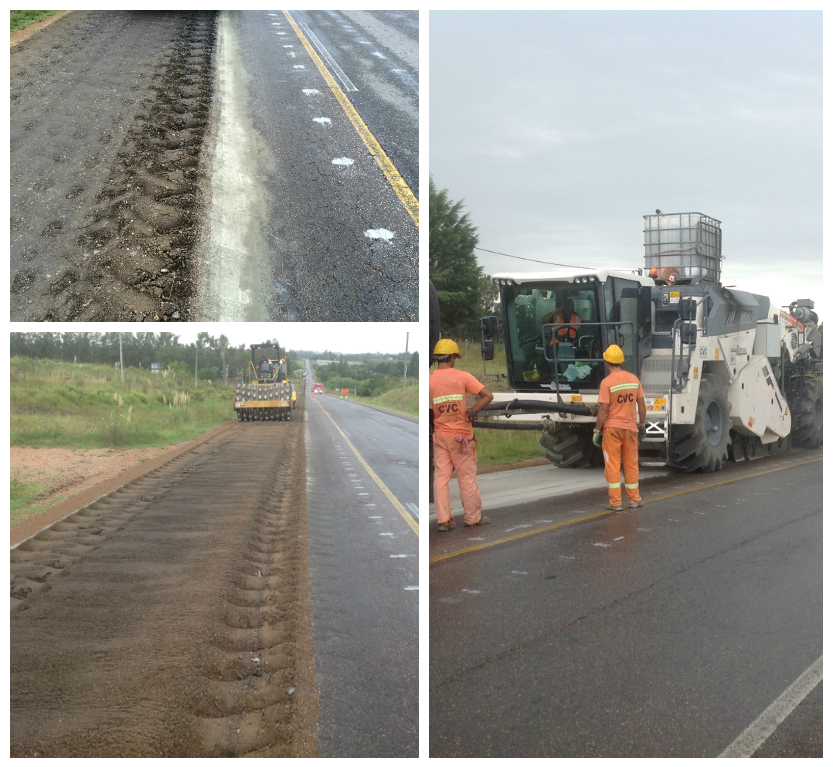
Recently they have begun to implement the first sections in situ foamed bitumen. The company Hernandez & Gonzalez has carried out the first tests on Route 12 and is starting this March with work on Route 3 after several months of design laboratory and learning with South African technicians who have come to assist with the implementation of the technology.


Moreover the company CVC has recently completed a stretch of Route 36 in the department of Canelones, with great success. He BITAFAL group He has supported projects in both asphalt and logistics sion with facilities and equipment for the proposed Route 36

We thank our customers for the continued trust placed in the company to realize the implementation of new technologies in Uruguay.

Video by CVC

Route 36 - CVC

ROUTE 3 - Hernández and González

Bitafal group. strategic supplier for their work.

We use own and third party cookies to help us optimize your visit to our website and also to improve service delivery and thus adapt to their most relevant and useful to better their experience needs. When you click OK to continue with navigation and thus confirm that you have read the information and accept the activation of cookies.

You can allow or reject use at any time can change the Configuration Options Privacy - Cookies Policy -

Privacy settings

When you visit a website, you can store or retrieve information in your browser, mainly in the form of cookies. Check your personal services cookies here.


We track anonymous user information to improve our website.
.
  • _ga
  • _gid
  • _gat

Decline all Services
Accept all Services