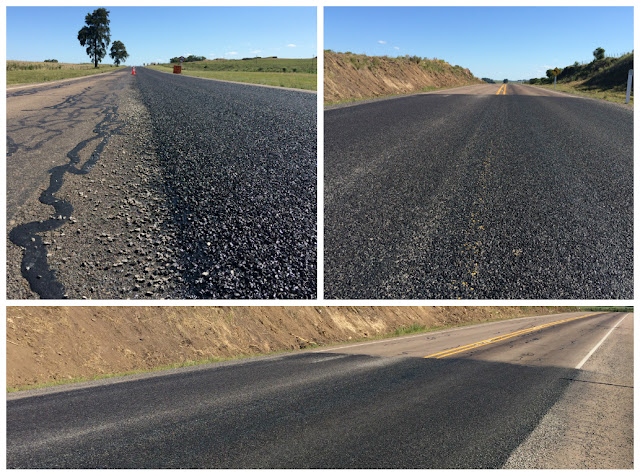
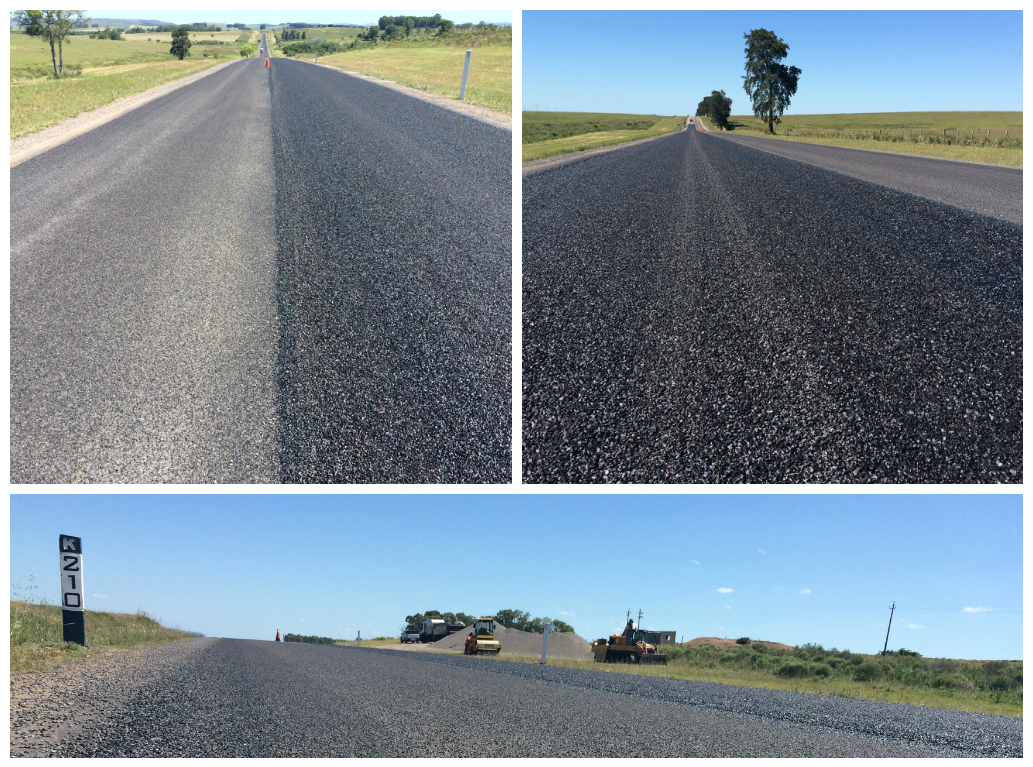
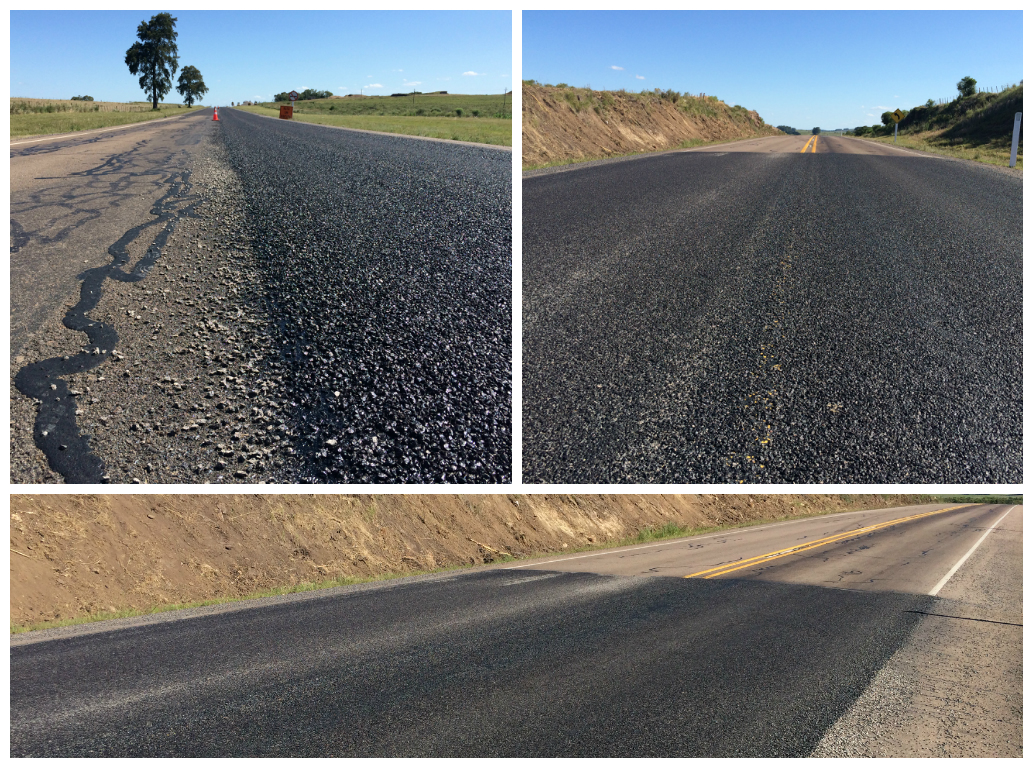
Print 50 for treatment DUST
emulsion 50 PRINT BITAFAL Hoping it will be of interest to other municipalities, we extend the invitation to participate, you can write to
| TRAINING INTENDENCIA COLONIA_ MARCH 2011 |
When they start to shorten the days and appear the first cold start problems with the use of emulsions. This situation is repeated year after year and often turns into a spiral of construction problems that last for months if the corresponding precautions are not taken.
Being a recurring theme which we have learned to solve these years, we bring our 7 recommendations regarding the selection of products and ways of implementation to work in cold weather conditions.
While asphaltic emulsions have minimal restrictions on use in winter, since moisture of the aggregate is not counterproductive, if it is imperative that the embodiment in winter is different from the traditional, to avoid problems of detachment during execution and prevent exudates which cause in the first warm days of spring and every year we complained.
Las emulsiones catiónicas cortan por desbalance de cargas eléctricas y no es selectivo de verano o invierno, así que SIEMPRE cortan. Luego del corte existen diversos procesos dentro de la emulsión como coalescencia y curado, en el cual el agua de la emulsión debe evaporar para lograr la cohesión necesaria del asfalto residual con la piedra y así evitar desprendimientos prematuros.
Said above it is evident that the moisture retained in the system due to the low evaporation during winter, the aggregate / asphalt affinity is less. Subject usually solved from the viewpoint of performance as long as the maximum temperatures are above 10 ° C, otherwise it is not advisable to use emulsions until maximal exceed that temperature.
1) IMPROVE THE RESISTANCE OF THE MATRIX OF ARIDAchieve the stone is held in place by mechanical locking means.
When working on granular bases, use a heavy cylinder for driving the aggregate in the base and thus prevent detachment traffic. These solutions have drawbacks because if the stone is not large enough gaps may be affected and when summer comes the binder has nowhere to expand and asphalt appears on the surface. But if you plan to make a second irrigation or sealed future.
* If simple treatment, can be made the same in two passes with half the components in each pass, making the initial half containing emulsion below and above and the second irrigation achieved get into the gaps of the first giving a stone matrix closed using a heavy compactor.
* In case of a double treatment, perform the two executions on the same day to achieve the same closed die from the outset.
2) START very early: You must run risks in the winter mornings, once that blunts the sun. Recall that the emulsions cut by decompensation loads and we need all available hours of evaporation.
3) terminate PAST PERFORMANCE NOON: Watering must be discontinued after noon for a time sufficient evaporation in the last application so that when night came, the system achieves sufficient to withstand uncontrolled traffic cohesion.
4) heat more EMULSIONS: Si el problema es el agua retenida en el sistema luego del corte, podemos ayudar al proceso de curado si calentamos la emulsión entre 80 y 95°C para que el agua evapore mas rápidamente. Con las actuales emulsiones de RIEGO de BITAFAL no hay inconvenientes de escurrimiento debido a las altas viscosidades de las mismas incluso a temperaturas de 95°C. Además al ser en base a agua no existen riegos de incendio o explosión como si existe con el uso de diluidos.
5) AVOID AGGREGATES DIRTY: This recommendation is for all types of surface treatment but when the weather is good, you can moisten a dirty arid for the emulsion works well. That is not the case in winter where we seek to reduce the amount of water in the middle. With a dirty arid the emulsion will only adhere to dust causing peeling even if it is fully cured. (Especially if it is very hot)
6) ENABLE TRAFFICKING AND CONTROLLED EARLY FORM: Controllably release traffic (maximum speed 30 km / h) once finished the compaction in the early hours of the afternoon. There if we need the air traffic for the purpose of purging the system drops of water released from the residual asphalt and aggregates collaborate to lock each watering done.
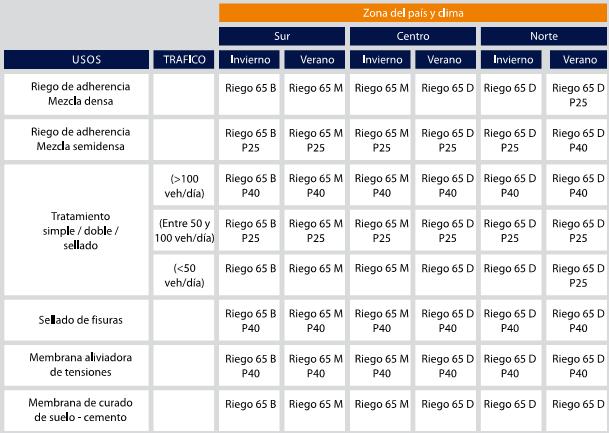
7) USE OF EMULSIONS SUITABLE TO SITUATION: SPECIAL BITAFAL ASFALTOS emulsions prepared with different hardnesses of the waste and with different degrees of modification. Please find attached our table recommendations by type of work to be done, the area of the country and the time of year.
LIMITATIONS these recommendations:
Although it is possible to work during cold periods we not recommend performing work during the winter if:
1) highest temperatures all day do not exceed 10 ° C.
2) monogranular Treatments applied on hard surfaces such as concrete or asphalt layers and where traffic speed is greater than 75 km / h.
3) Surface treatments applied on very soft bases without adequate granulometry, as silts the coast, where a burial arid irrigation A occurs, reducing gaps and subsequent exudation.
The BITAFAL Group was present at the R & D Technical Conference on new asphalt mixtures by the company COARCO from Argentina. It was held at the plant in Moreno, Province of Buenos Aires, on 25 April. Uruguay took part members of MTOP and LATU and Argentina participated leaders of National and Provincial Roads Authority, representatives from various dealers and other suppliers from the nearby shore.
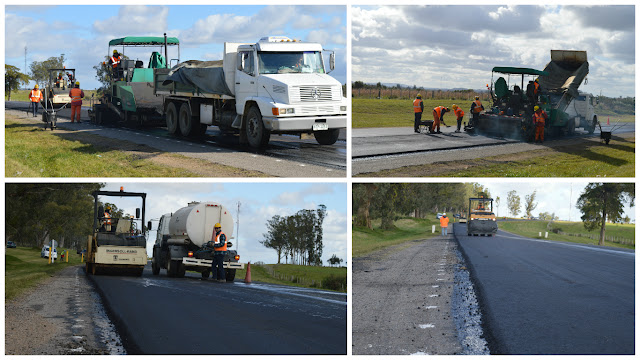
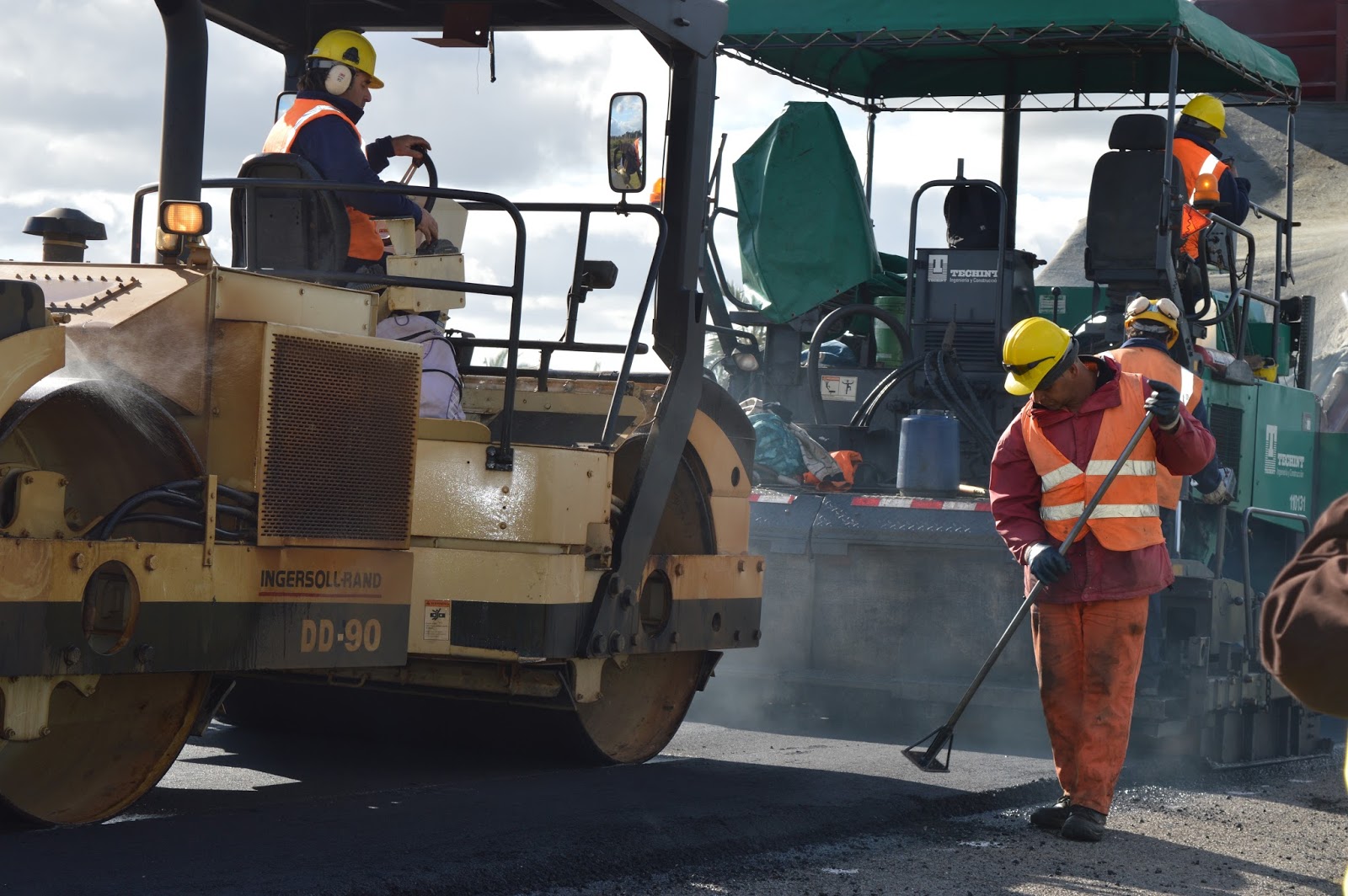
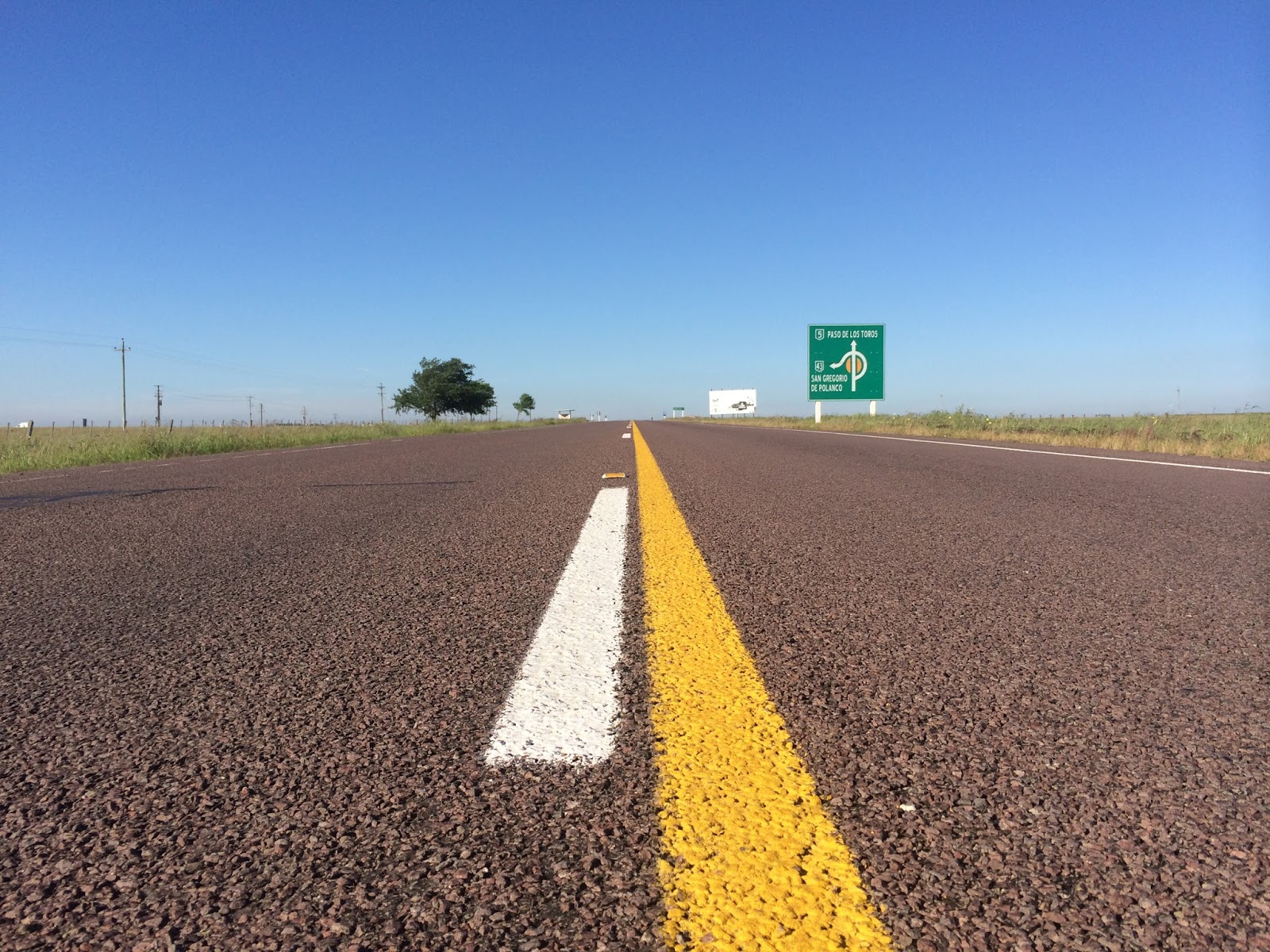
Last Friday, June 3 the first flight of recoating was performed with BITAFLEX AMC 50, modified asphalt tire dust on Route 9 along with Techint SACI. A stretch of about 1300 m on the road more was performed, near km 202 at the entrance of the city of Rocha.
As we announced in previous editions of "Making Roads" We continue to strengthen the technical and logistical capabilities of our Technologies Research Center Vials.
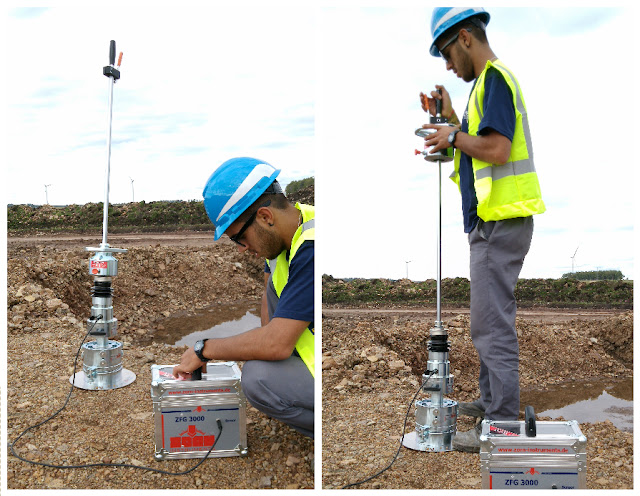
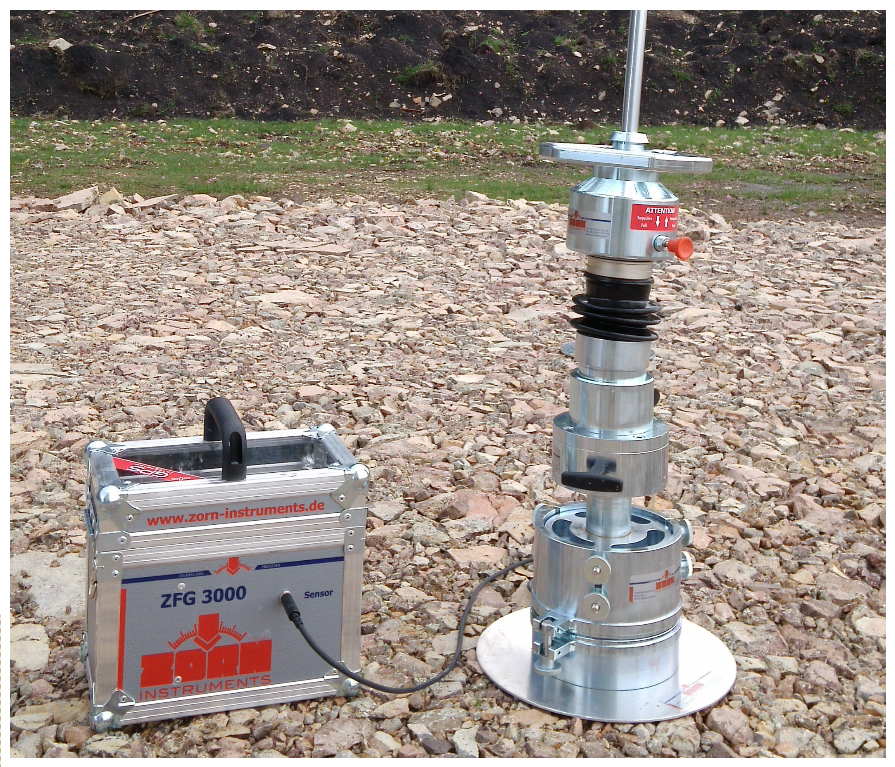
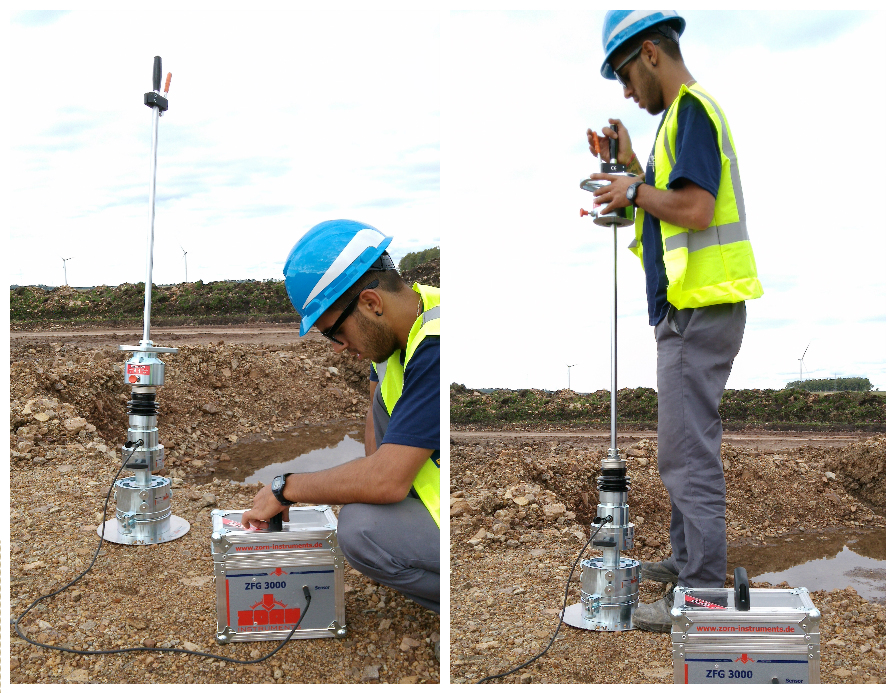
The new equipment strengthens the sion in pavement evaluation and esplanades.
Moreover an accessory brought to replace the load plate, to measure the in situ CBR materials. In the coming months we will be bringing you the results of different comparative studies are underway to determine the applicability of the equipment for determining these parameters.
Since 2011, SPECIAL BITAFAL ASFALTOS, It has expanded its line emulsions seeking to adapt to climatic conditions, use and traffic which are undergoing different technologies.
The specification used in our country for modified emulsions is the IRAM 6698 standard: Modified cationic asphalt emulsions. In it, to determine the degree of modification, the minimum requirement for elastic torsional recovery is 12%, a value that we consider extremely low since a conventional asphalt cement has about 8%. That is why we have specified two ranges of elasticity for all types of modified emulsions manufactured, one with a minimum of 25% and another with 40% elastic torsional recovery and three types of asphalt penetration ranges depending on the application and thermal gradient in the area to execute the work.
Then we attach an indicative table for selection of emulsions Irrigation
The emulsion designed for the highest demands was the emulsion BITAFLEX RIEGO 65 P40 D, Which is manufactured with an asphalt hard penetration of 50 to 80 dmm (and a viscosity above 2000 cP as determined in a study of sections required not presented exudates) and add a high amount of polymer achieve greater torsional elastic recovery 40%.
For inquiries please write to bitafal@bitafal.com.uy or visit our website www.bitafal.com.uy
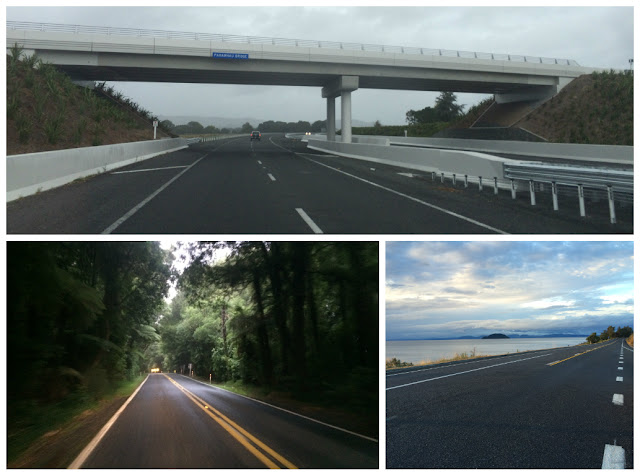
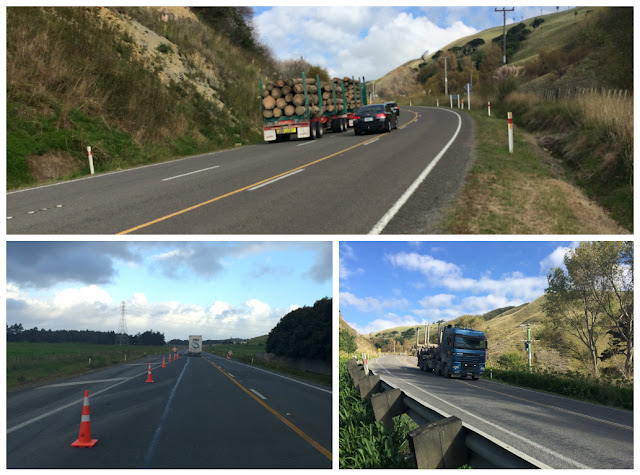
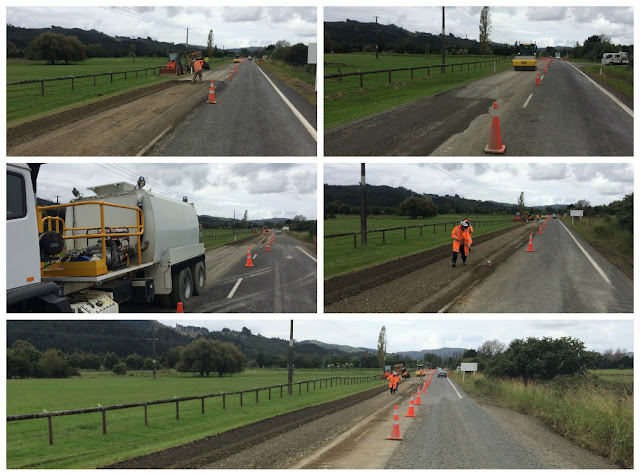
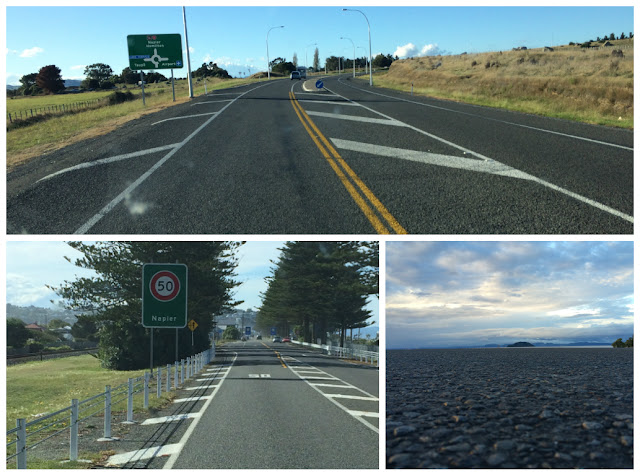
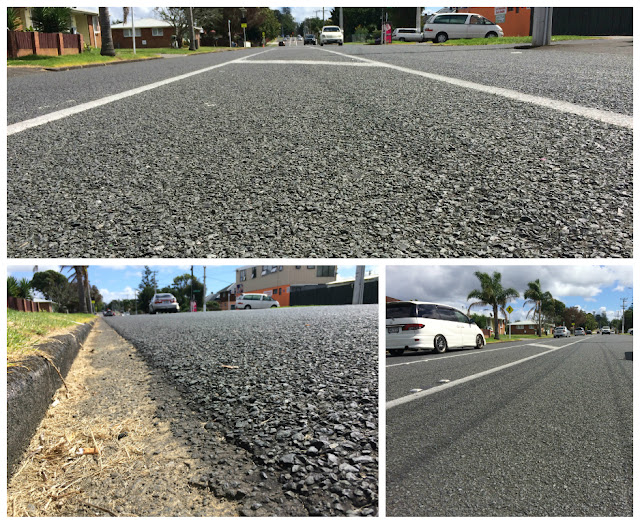
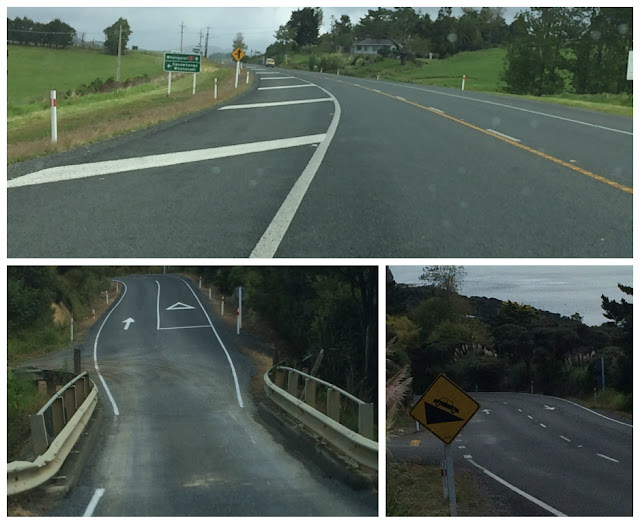
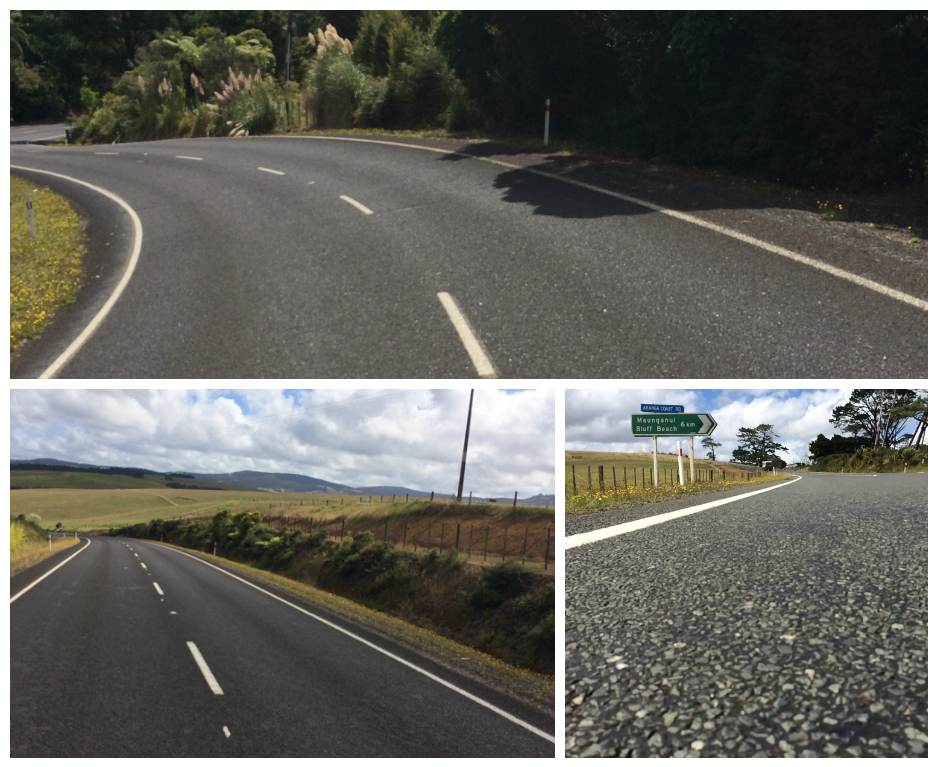
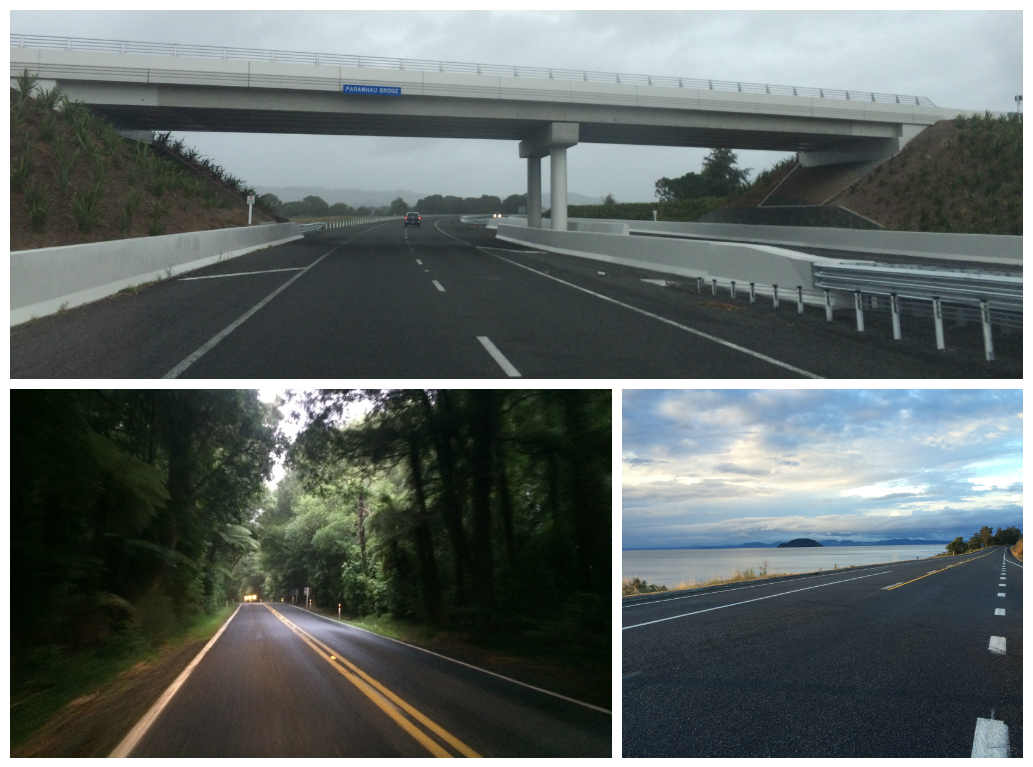
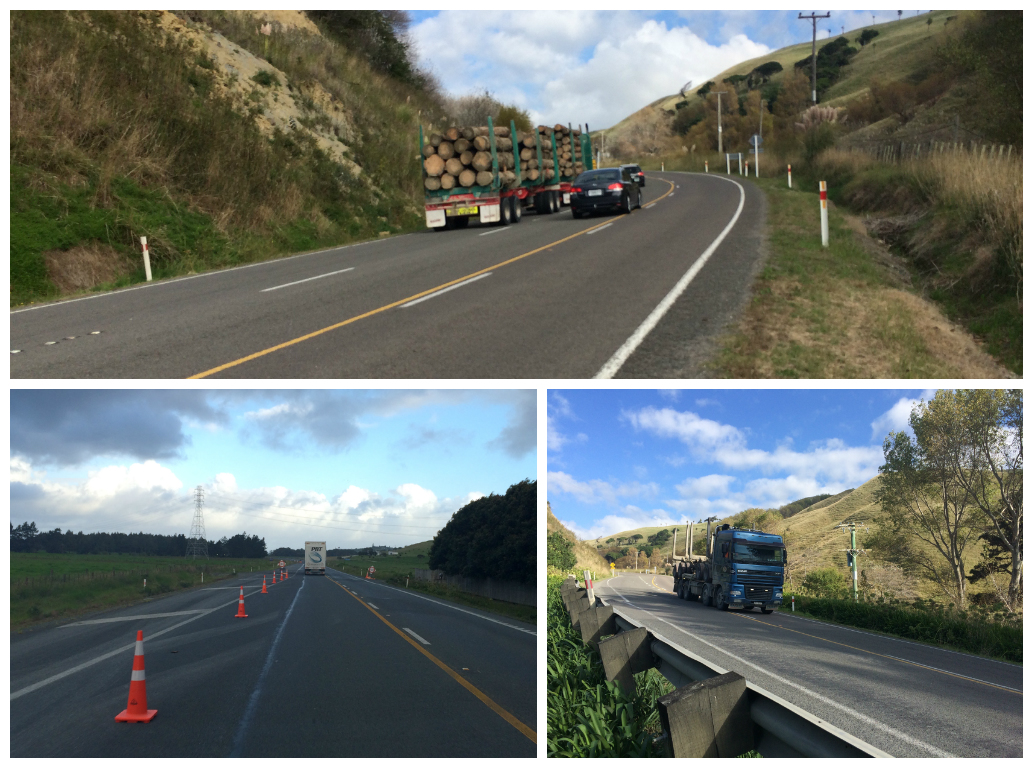
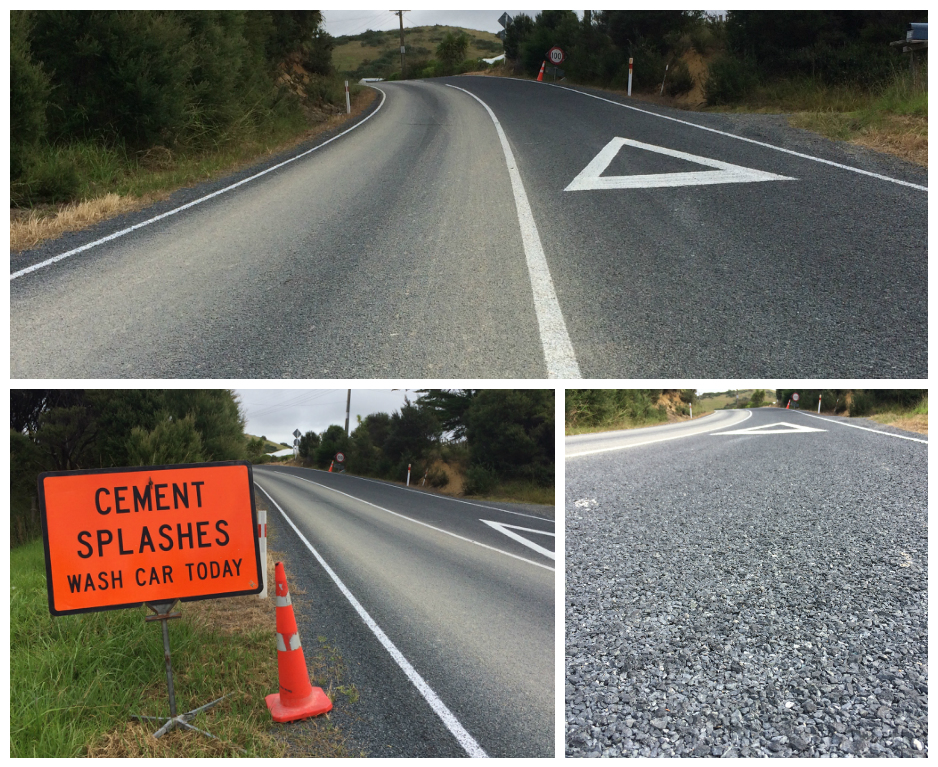
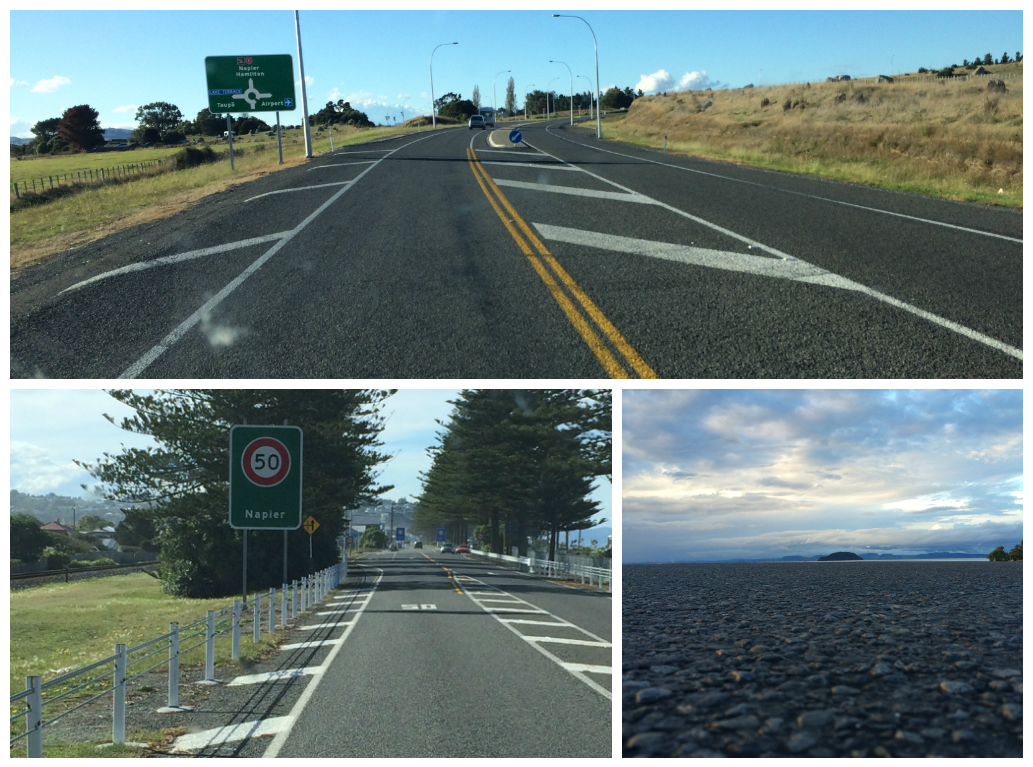
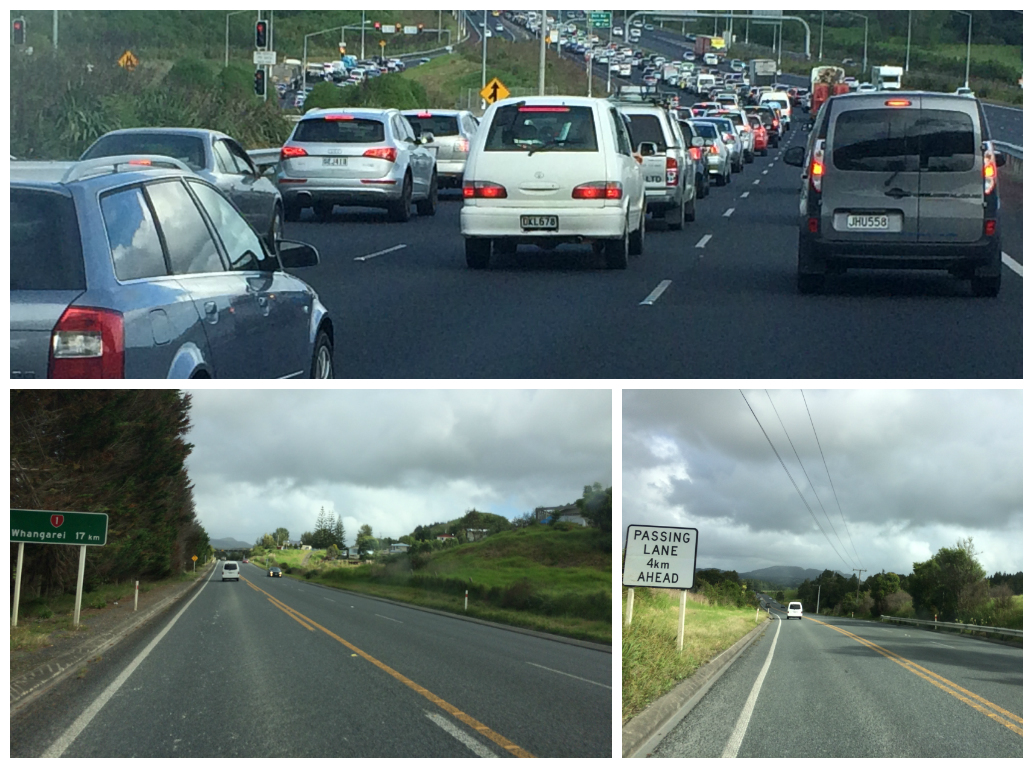
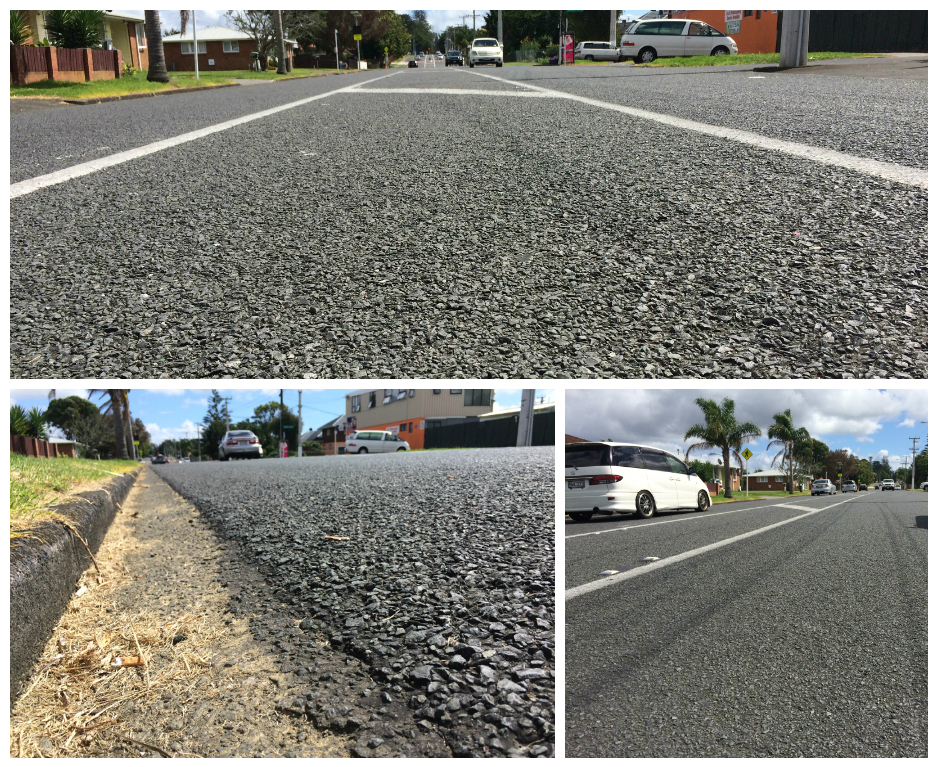
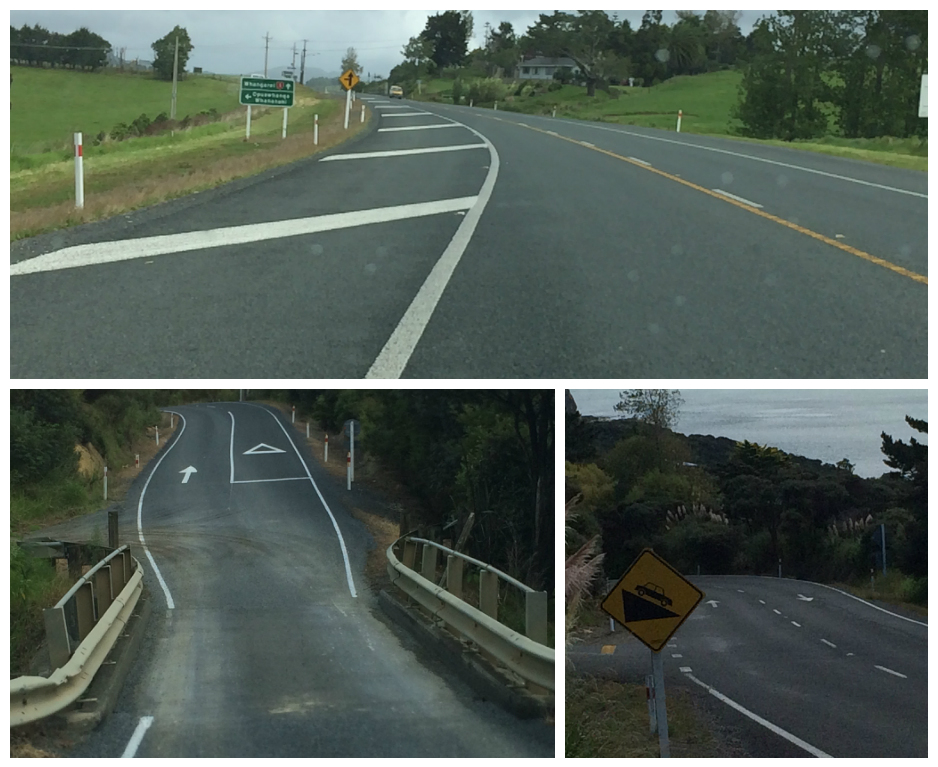
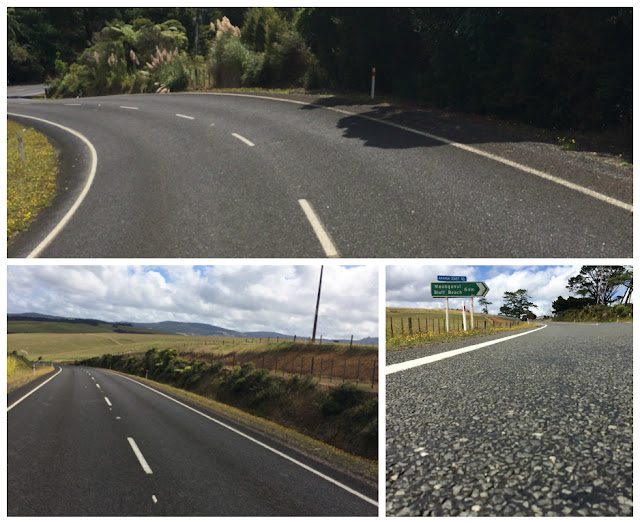
We had the pleasant opportunity to visit for 20 days, covering 2735 km of roads NEW ZEALAND and returned extremely surprised by the quality of roads in the country.
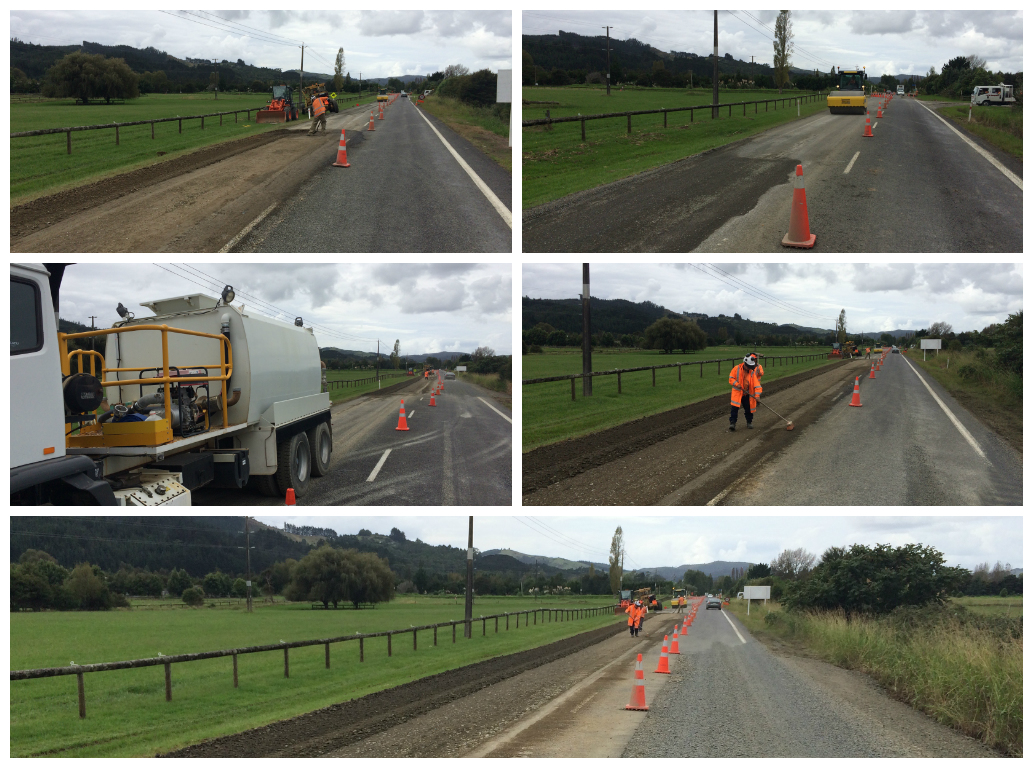
The company has relied on Serviam Bitafal Rentals to assist in the maintenance of Route 8 between Pirarajá and Aramendía through technology Chiping.
ROADS :: :: MAKING
Bulletin No. 26 (23.11.2010)
Bulletin No. 54 (06.21.2013)
See all photos ON HERE